


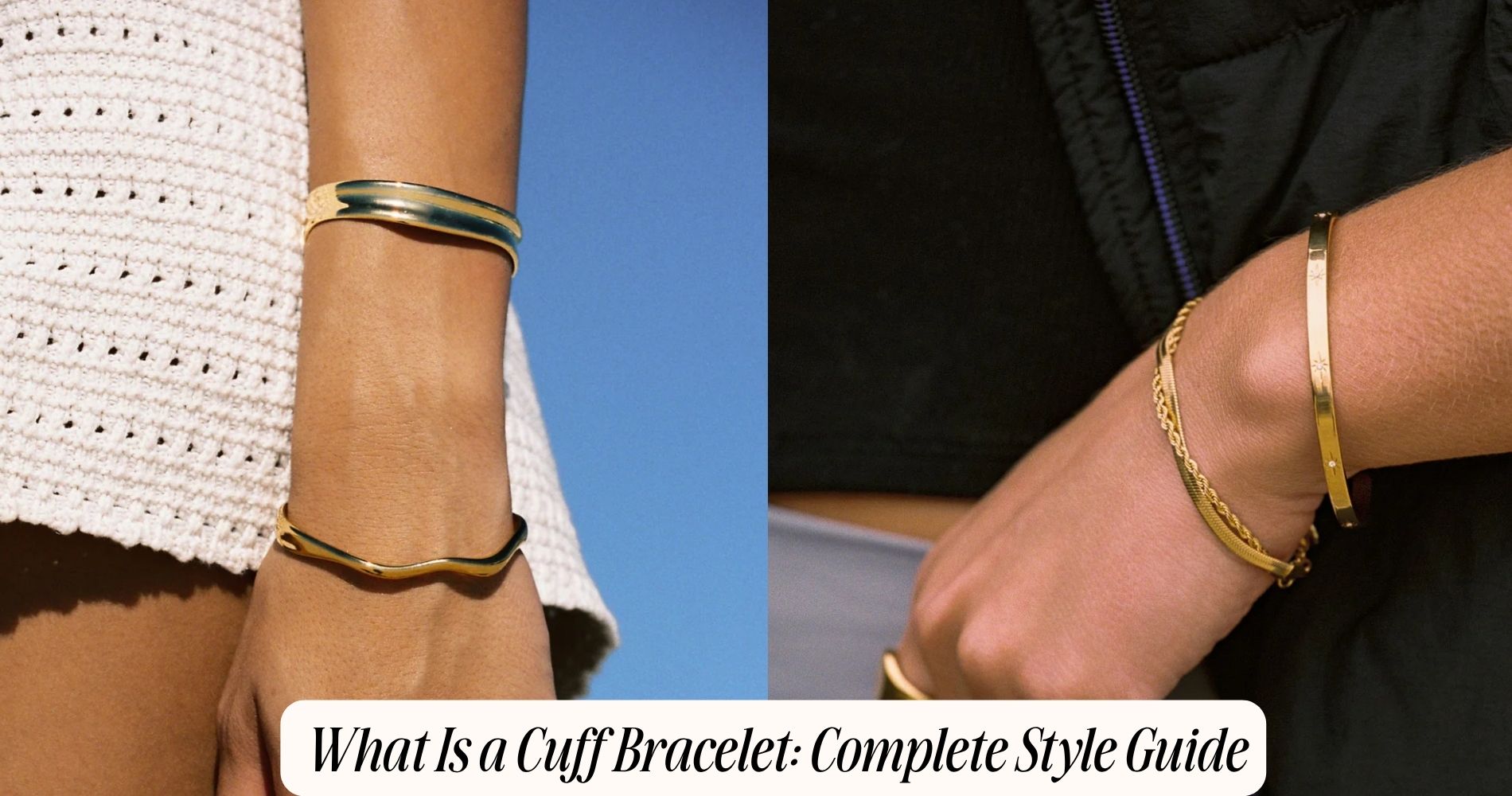
What Is a Cuff Bracelet: Complete Style Guide
You pick up a bracelet and notice there's no clasp — just a solid arc of metal with a gap at the back. That's what is a cuff bracelet in its simplest form: a rigid or semi-rigid band that slides onto the wrist without any closure mechanism. The open back is the defining feature. It makes cuffs faster to put on, easier to adjust, and far more forgiving of sizing than standard chain bracelets. If you want a piece that sits confidently on the wrist and holds its shape through a full day, the cuff bracelet is the category worth understanding. The Waterproof Bracelets collection covers the styles that work for everyday wear, active routines, and everything between. This guide covers the definition, types, materials, fit, and how to style cuffs with different looks.
What Is a Cuff Bracelet and How Does It Differ from a Bangle
Both bangles and cuffs slip onto the wrist without a clasp, but the similarity stops there. A bangle is a closed circle — a continuous ring with no opening. Getting it on requires sliding it over the widest point of your hand, which limits how snug the fit can be. A cuff has an open gap, usually positioned at the inner wrist, which means you can adjust the opening slightly to fit your exact wrist size.
The structural difference also affects how each piece sits. A bangle moves freely and tends to slide up and down the forearm. A cuff grips more consistently, staying in position whether you're at your desk, mid-workout, or reaching overhead.
Width adds another layer of distinction. Bangles are typically uniform in width, while cuffs vary widely — from a slim 4mm band to a broad 3cm statement piece. That range of width is part of why what is a cuff bracelet searches pull up such different-looking results: the category includes both barely-there chains and architectural sculptural pieces, all sharing that same open-back construction.

Types of Cuff Bracelets Worth Knowing
Not all cuffs behave the same way. Understanding the main types helps you choose one that actually fits how you dress.
| Type | Width | Best For | Material Common |
|---|---|---|---|
| Slim cuff | 2–6mm | Stacking, everyday wear | Stainless steel, gold |
| Mid-width cuff | 7–20mm | Standalone piece, casual to work | Metal, resin |
| Wide cuff | 21mm+ | Statement, evening wear | Metal, leather |
| Hinged cuff | Any | Precise fit, secure closure | Metal |
| Wrap cuff | Any | Adjustable layering | Metal, leather |
- Slim cuffs sit close to other bracelets without fighting for visual space. They work particularly well if your daily routine includes movement — a narrow band doesn't shift or snag the way a wider piece might when you're reaching into a bag or adjusting a gym strap.
- Mid-width cuffs function as a solo statement without requiring the rest of your wrist to be bare. They carry enough visual weight to anchor an outfit but not so much that they feel like costume jewelry.
- Wide cuffs make a deliberate choice. Pair them with a simple sleeve and nothing else on that wrist — they don't need support.
- Hinged cuffs add a hidden clasp mechanism that closes the open back. The result is a more secure fit that stays put even through active wear, without the sizing compromise of a standard bangle.
What Material a Cuff Bracelet Is Made From Matters More Than You Think
The look of a cuff bracelet gets most of the attention, but the material determines how long it keeps that look. Standard gold-plated brass cuffs often develop discoloration within a few months — especially around the inner surface where sweat, sunscreen, and moisture accumulate throughout the day.
Stainless steel with PVD (Physical Vapor Deposition) coating changes that equation. PVD applies a gold finish at the molecular level, producing a layer 10× thicker than standard gold plating. The result is a surface that doesn't react with chlorine, salt water, or sweat — which matters whether your bracelet comes off for swim sessions or stays on through all of them.

If you've ever noticed a cuff leaving a green or dark mark on the inside of your wrist, the problem is the metal reacting with your skin chemistry or moisture. Hypoallergenic materials — 316L stainless steel being the most common — eliminate that reaction at the source.
At the other end of the material spectrum, leather and resin cuffs offer a more tactile, textural look. Leather softens over time, which some find appealing. Resin holds color well but scratches more easily than metal. The choice between materials is ultimately a question of how you plan to wear the piece and how much maintenance you're willing to do.
How a Cuff Bracelet Should Fit
A well-fitted cuff sits on the wrist without sliding up the forearm or pressing uncomfortably into the skin. The open gap should rest on the inside of the wrist — not visible from the front — and the two ends of the cuff should have roughly equal spacing on either side of that gap.
For most open cuffs, some gentle adjustment is possible. Bending the ends slightly closer together tightens the fit; easing them apart loosens it. Do this slowly and only once or twice, as repeated flexing can weaken the metal at the bending point.
A few practical fit checkpoints:
- Slide test: the cuff should not slide freely up to mid-forearm when your arm is at your side
- Pinch test: the inner edge shouldn't dig in or pinch when you flex your wrist
- Gap size: you want roughly 1–1.5cm of open space at the back for most wrist sizes
Wrist size affects which cuff width looks proportional. Narrower wrists tend to read slim cuffs better, while wider wrists can carry a mid-width or wide cuff without the piece looking oversized. A comfortable fit works well over hours of movement — especially if your bracelet stays on through a gym session or a beach day without shifting position.
How to Style a Cuff Bracelet with Different Outfits
A cuff's open structure makes it more versatile than its bold silhouette suggests. The key is matching the cuff's weight to the visual weight of the outfit.
With casual wear: A slim or mid-width gold cuff pairs with a white t-shirt and jeans without overloading the look. If you're layering, add one thin chain bracelet on the same wrist and leave the other bare. This keeps the combination intentional rather than accumulated.
For work: A slim cuff in brushed or polished metal reads as professional and precise. It sits quietly under a blazer sleeve and shows as a clean strip of gold when you reach across a table. Avoid wide cuffs in structured work settings unless the dress code is genuinely relaxed.

For evening: A wider cuff or a slim cuff with surface detail — texture, engraving, or stone-setting — works as a standalone arm piece. Keep other jewelry minimal so the cuff can do its work. If you're in a strapless or sleeveless style, the forearm reads differently, so the cuff placement matters: right at the wrist bone for delicate styles, slightly higher for wider statement cuffs.
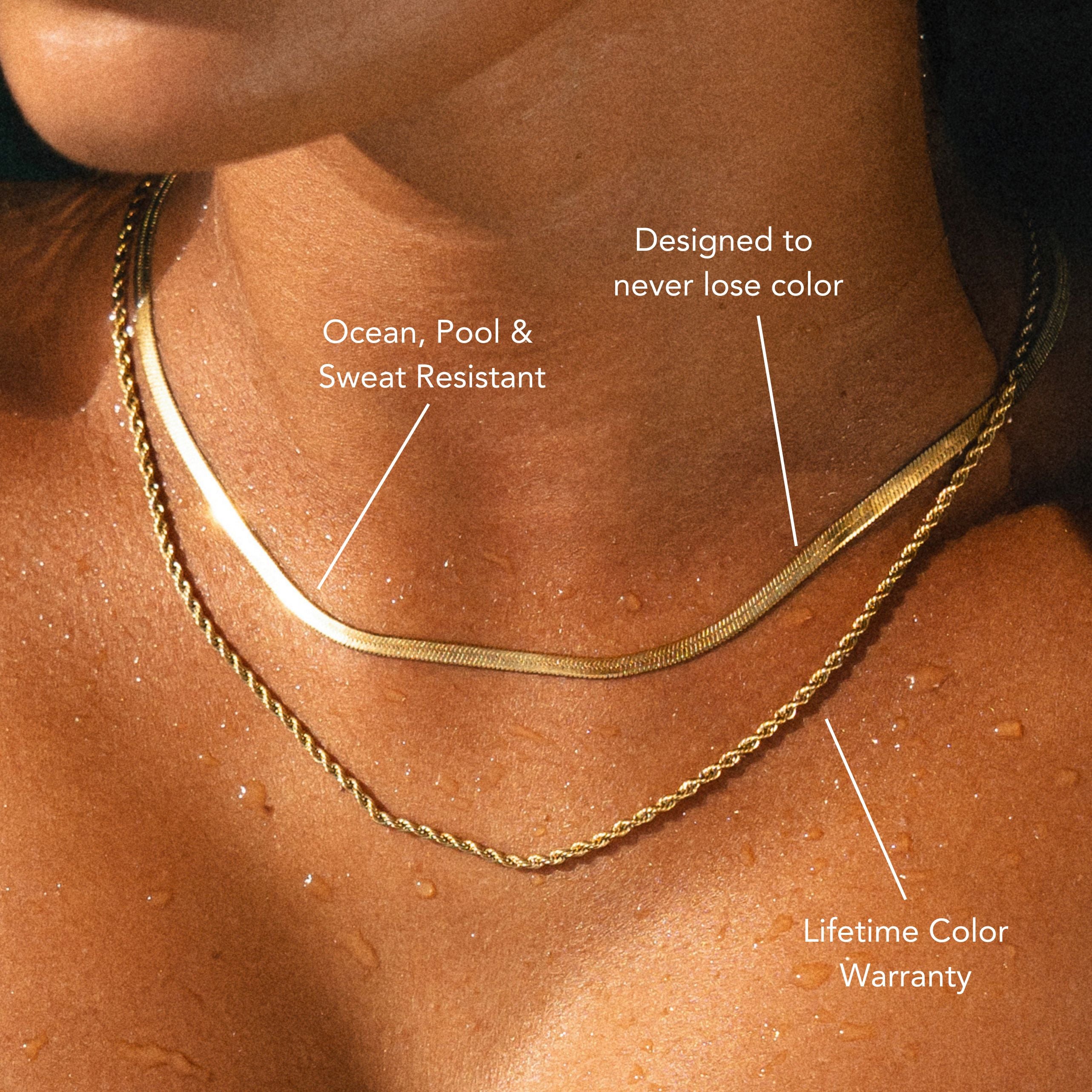
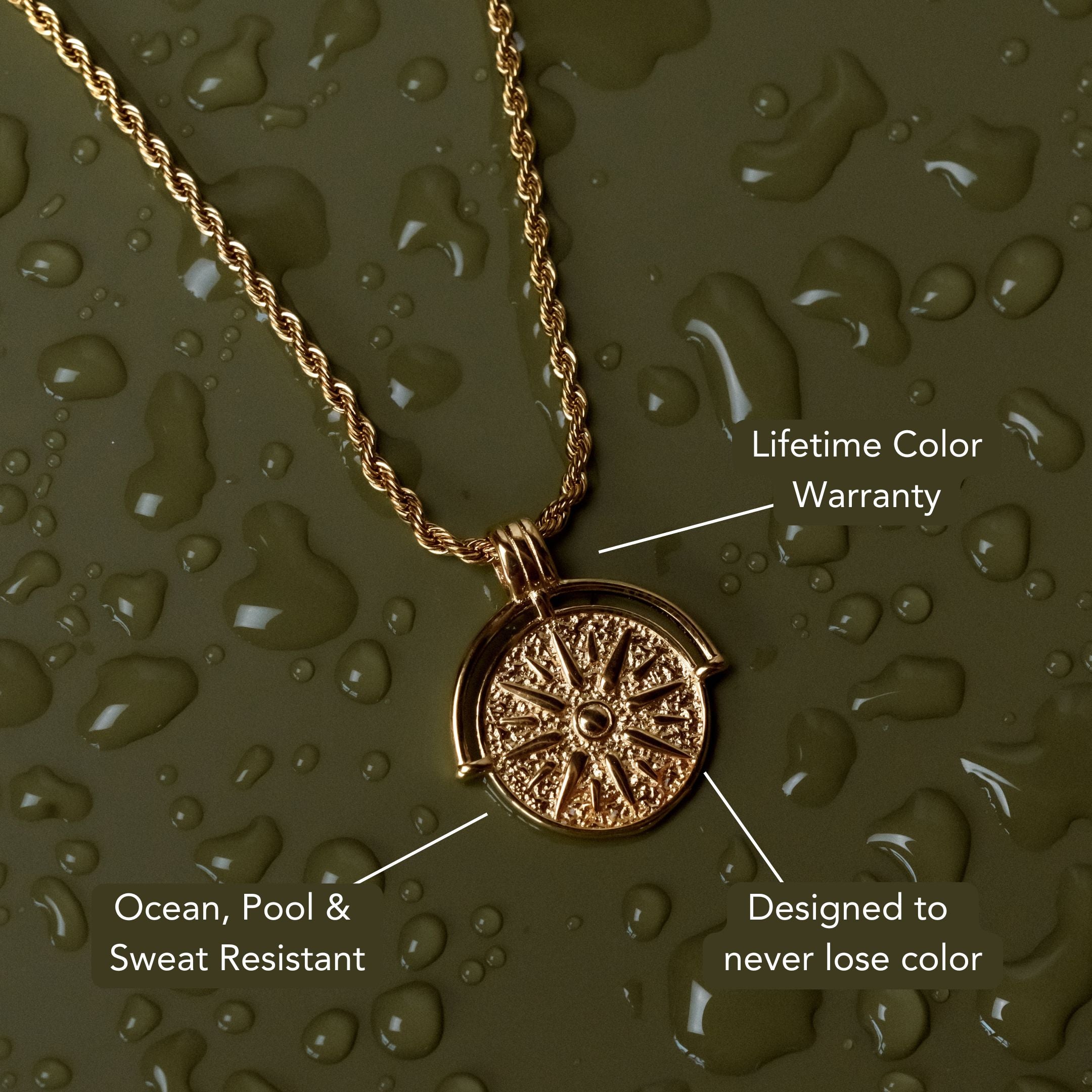
For travel and outdoor wear: This is where material becomes the deciding factor. A PVD-coated stainless steel cuff from ATOLEA holds its finish through pool days, ocean swims, and the general wear of being in motion — no need to remove it before entering the water or worry about it sitting against sunscreen-coated skin. Pieces with a lifetime color warranty remove the mental overhead of treating your bracelet like something fragile.
Frequently Asked Questions
What exactly is a cuff bracelet?
A cuff bracelet is a rigid or semi-rigid band that wraps around the wrist with an open gap, typically positioned at the inner wrist. It slides on without a clasp. Cuffs range from narrow 2mm bands to wide 3cm statement pieces and come in metals, leather, and resin. The open design makes them adjustable and easier to put on than most clasp-style bracelets.
What is the difference between a cuff bracelet and a bangle?
A bangle is a closed circle with no opening — you slide it over your hand to get it on. A cuff bracelet has an open gap that allows the ends to flex slightly for sizing. Bangles move more freely on the wrist; cuffs grip more consistently and stay in one position during activity.
Can you wear a cuff bracelet every day?
Yes, with the right material. Cuffs made from 316L stainless steel with PVD coating resist tarnishing, discoloration, and corrosion from daily contact with water, sweat, and skin care products. Standard gold-plated cuffs wear faster under the same conditions, typically showing discoloration at the inner surface first.
How do you know if a cuff bracelet fits correctly?
A properly fitted cuff should not slide freely up your forearm when your arm hangs at your side. The inner edges shouldn't press into the skin when you flex your wrist. The open gap should sit on the inner wrist with roughly 1–1.5cm of space visible. Open cuffs can be gently adjusted — squeeze the ends closer together to tighten, ease them apart to loosen.
Can I wear a cuff bracelet in the shower or pool?
It depends on the material. Standard gold-plated brass cuffs should generally be kept dry — water accelerates the breakdown of the plating. PVD-coated stainless steel cuffs are fully waterproof and designed for contact with water, chlorine, and salt. If your cuff has a lifetime color warranty backing that claim, you can treat it as a wear-anywhere piece.
How should I style a cuff bracelet with other jewelry?
A cuff works as an anchor piece. Add one or two thinner bracelets on the same wrist for a layered look, or wear the cuff solo for a cleaner line. On the opposite wrist, a watch or a single dainty bracelet balances the overall look without mirroring it. Mixing metals is straightforward with cuffs — gold and silver sit together well when the proportions are different.
The Right Cuff for How You Actually Live
What is a cuff bracelet comes down to a simple structural fact — an open band, no clasp, adjustable fit — but the decisions around material, width, and finish have real consequences for how a piece holds up. A cuff that tarnishes after two weeks of regular wear is a different investment than one built to keep its finish through years of daily contact with water, skin, and the general demands of an active life. The bracelet range is a practical place to see how PVD coating holds up across different cuff widths and finishes, if you're narrowing down your options.






Leave a comment
This site is protected by hCaptcha and the hCaptcha Privacy Policy and Terms of Service apply.