


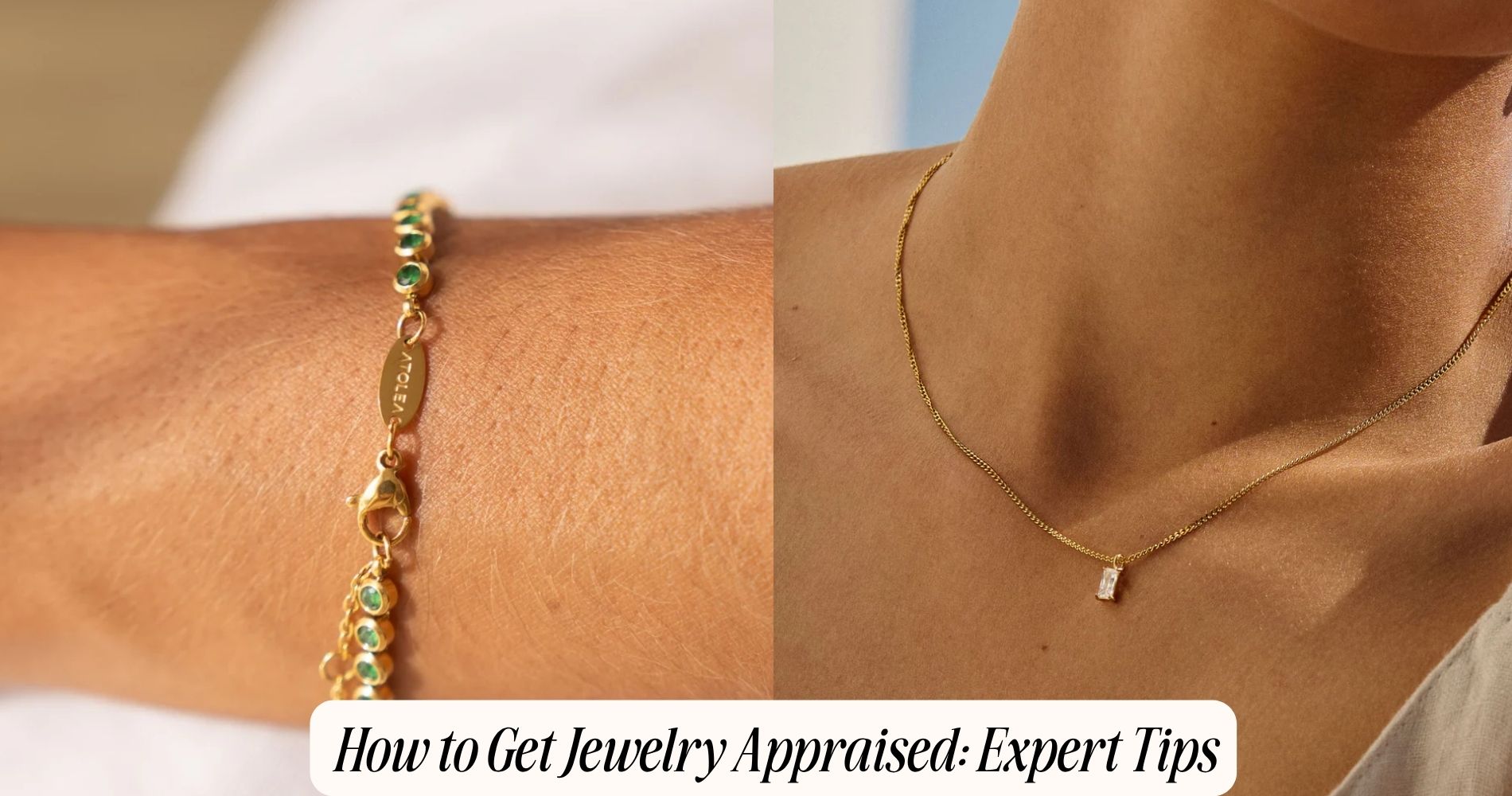
How to Get Jewelry Appraised: Expert Tips
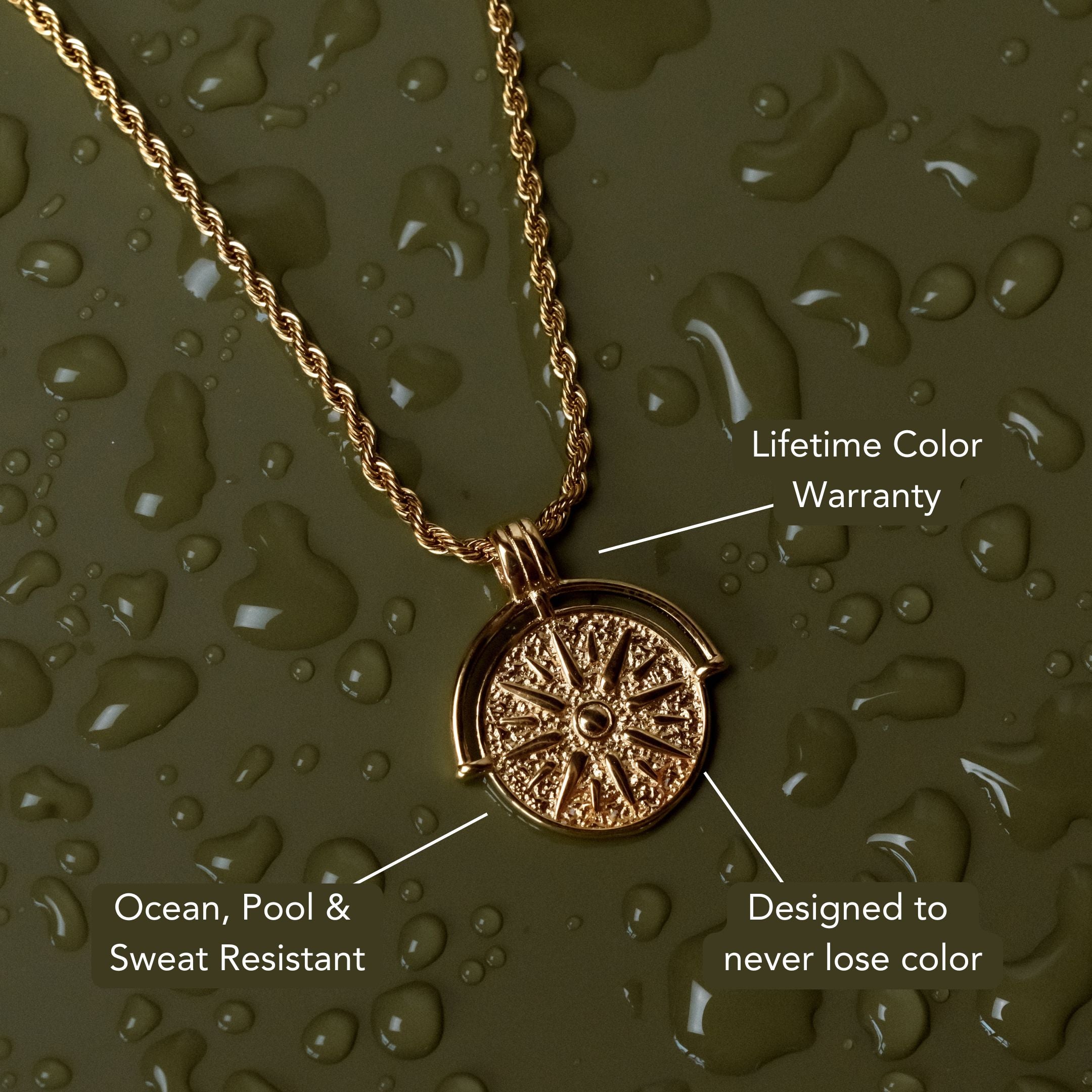
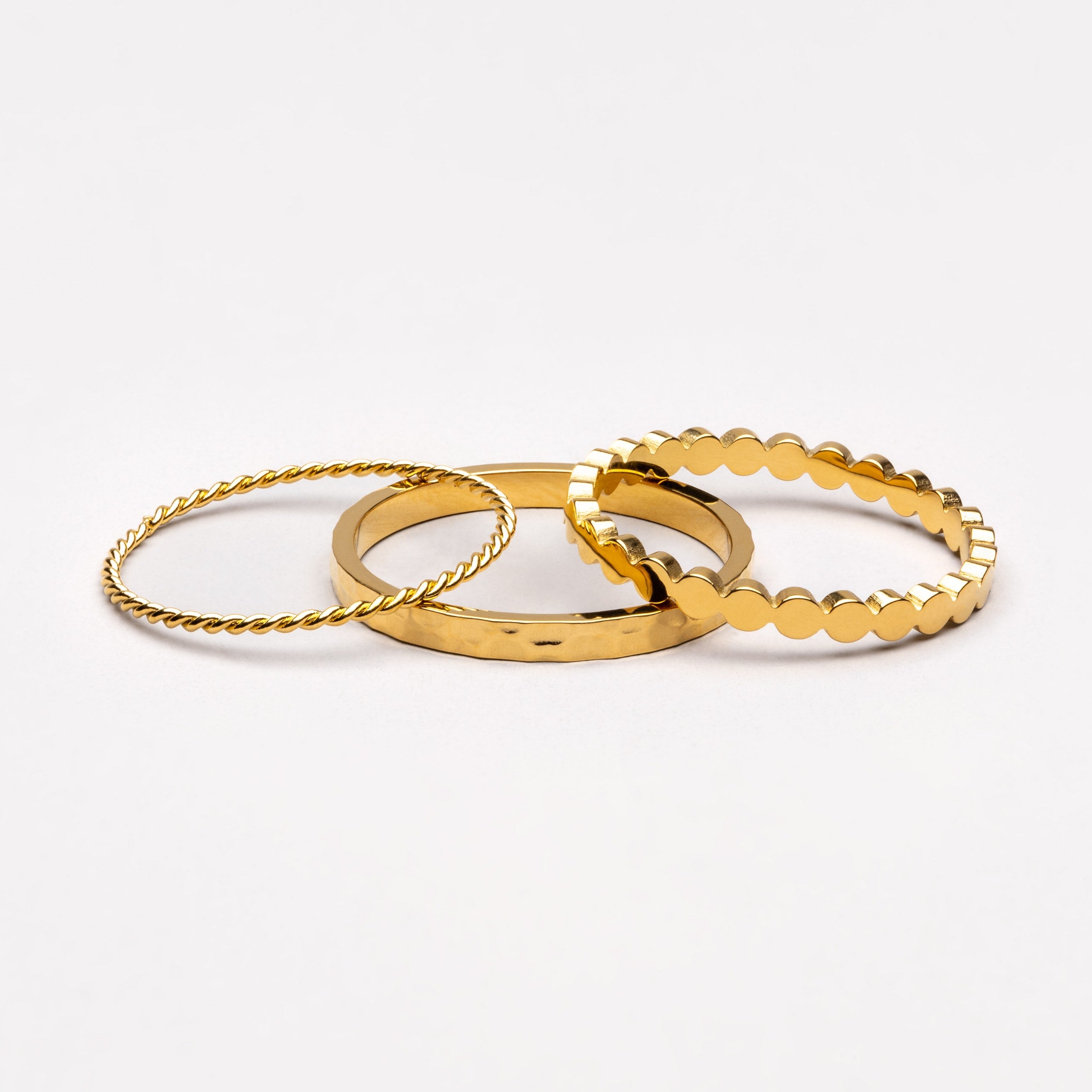
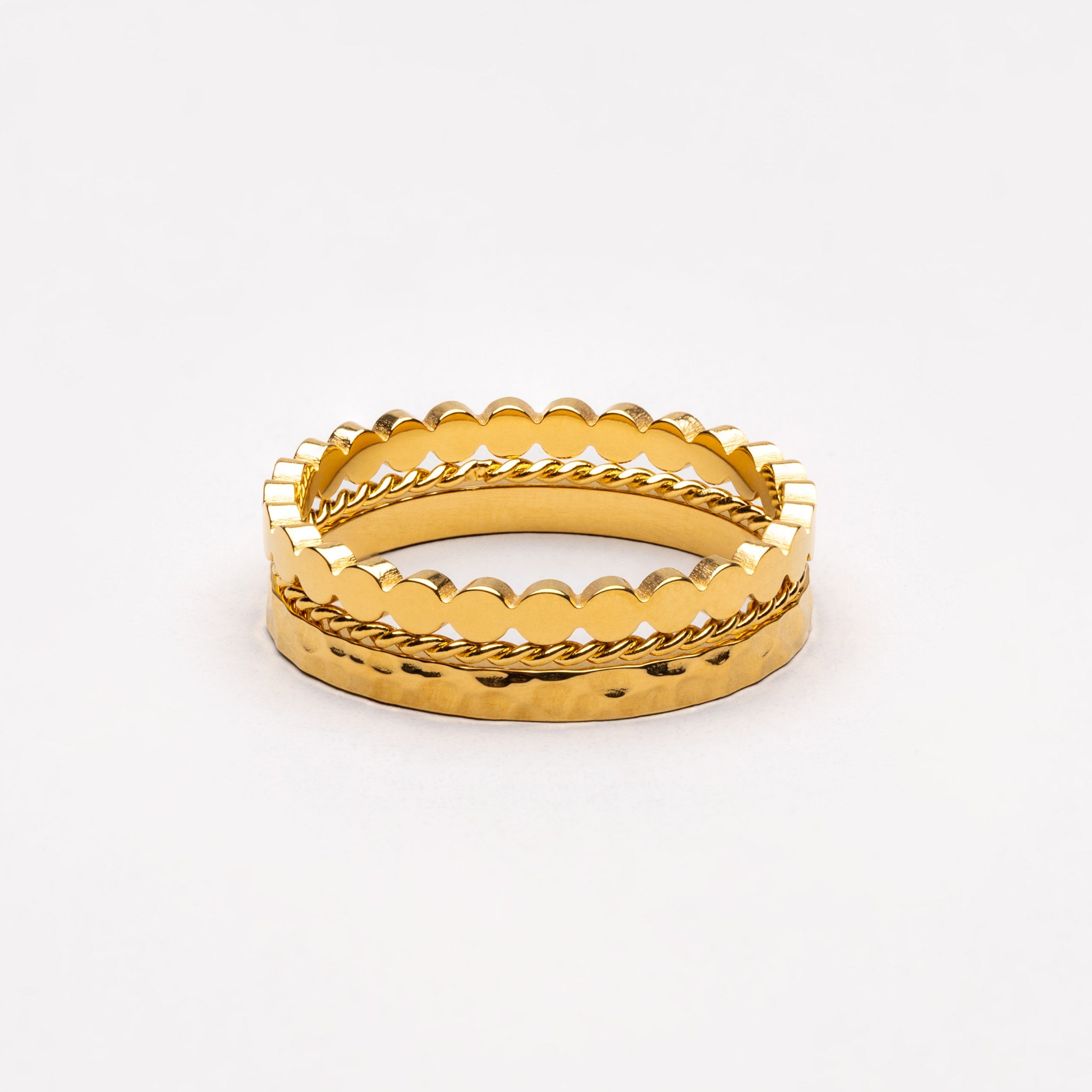
How to get jewelry appraised? Start by gathering your jewelry piece, purchase receipts, gemstone certificates, and clear photos before choosing a qualified appraiser such as a GIA- or ASA-certified professional. During the appraisal, the expert will examine metals, gemstones, craftsmanship, and condition to determine replacement or market value using documented methods. Always request a detailed written report with assumptions, grading details, and comparable values, and confirm fees in advance to avoid unclear practices. For pieces designed for lasting everyday wear, collections like Waterproof Jewelry can also benefit from proper documentation and valuation over time.
Step-by-Step: Get a Jewelry Appraisal Now
Start by gathering the essentials: the piece itself, any purchase receipts or previous appraisals, and clear photos of the front, back, and any hallmarks.
Next, choose a qualified appraiser—look for credentials like GIA, ASA, or state licensing—and confirm their specialty matches your item.
Schedule an in-person inspection when possible; you'll provide the documentation and discuss provenance, repairs, and jewelry maintenance history.
During evaluation, the appraiser will assess metal, gemstones, condition, and market comparables, then record measurements and photographs.
Ask for a written report detailing methodology, replacement value, and assumptions.
Verify how often you should update values—appraisal frequency depends on market volatility and life changes.
Retain originals and store digital copies securely for insurance or resale needs.

Which Appraisal Do You Need? (Insurance, Resale, Estate)
Which type of appraisal you need depends on what you'll use the valuation for: insurance appraisals establish replacement cost, resale appraisals estimate market value if you plan to sell, and estate appraisals document fair market value for probate or tax purposes.
Choose insurance appraisals if you want accurate documentation for insurance coverage; they'll list replacement specifications and current retail cost.
Use a resale appraisal when you're preparing to sell — it focuses on what buyers will pay and reflects resale value in the current market.
Select an estate appraisal for wills, inheritance division, or tax filings; it provides an objective fair market value and required documentation.
Confirm the appraiser’s credentials and report format to guarantee it meets your insurer, buyer, or legal requirements.
How Jewelry Appraisals Work and Why Values Vary
Now that you've picked the right appraisal type, it's helpful to understand how appraisers arrive at values and why two experts might give different numbers.
You’ll see appraisers follow a systematic process: examine metal and gemstones, test weights and measurements, verify treatments or enhancements, and compare recent comparable sales. That methodical approach supports objective value determination, but subjective judgments—market interpretation, choice of comparables, intended use (insurance versus resale), and regional demand—affect the final figure.
Documentation quality and testing tools influence appraisal accuracy, so clear notes and lab reports matter. Expect transparent rationale in the report: item description, methodology, and market evidence.
Knowing this helps you evaluate reports and ask targeted questions when values diverge.

Choose a Qualified Jewelry Appraiser: Credentials, Red Flags, Cost
Before you hire anyone, verify their credentials and track record so you know the appraisal will hold up for its intended purpose.
Check that the appraiser qualifications include formal training (GIA, ASA, or AGA), professional affiliations, and membership in recognized bodies that require continuing education.
Ask for sample reports and references, and confirm they've performed valuations for your intended use—insurance, estate, or sale.
Watch for red flags: vague reports, pressure to use a preferred buyer, or inconsistent fee structures.
Discuss fees upfront—flat rate versus percentage—and get the cost in writing.
Confirm the appraiser adheres to documented appraisal ethics and a written scope of work.
When you follow these steps, you'll hire a qualified, dependable appraiser.
Prepare Your Jewelry and Read the Appraisal Report
Once you've selected a qualified appraiser, get your pieces ready and know how to read the report you'll receive.
Start by documenting provenance, receipts, and prior certifications. Use gentle cleaning techniques—soft brush, mild detergent, lint-free cloth—only if recommended; avoid ultrasonic cleaners without appraiser approval.
Pack each item separately to prevent damage and list visible wear or repairs.
When you get the appraisal report, read methodically: identification (metal, gemstones), measurements, condition, grading standards, and replacement value.
Note assumptions, exclusions, and date of valuation. Question vague terms and confirm terminology aligns with recognized standards.
Be aware of appraisal myths: replacement value ≠ resale value, and insured value isn't market price.
Keep the report with photos and update after significant changes.

Frequently Asked Questions
How Often Should Appraisal Photos Be Updated?
You should update appraisal photos every 2–3 years or after repairs, relocations, or market-value changes; prioritize photo quality each time, ensuring sharp, well-lit, macro images that accurately document condition and identifying features for appraisal frequency reliability.
Can an Appraisal Increase the Insured Value After Purchase?
Yes — you can get an appraisal that increases insured value after purchase; appraisal benefits include updated market replacement figures, and you'll need to follow insurance considerations and your carrier’s procedures to adjust coverage accordingly.
Do Appraisals Cover Synthetic or Treated Gemstones Differently?
Yes—you’ll get different treatment: appraisers value synthetic gemstones lower and note them clearly, while treated gemstones are appraised with adjustments reflecting enhancement, disclosure, and market impact, so you’ll receive precise, documented valuations.
Will Appraisals Affect My Ability to Sell Privately?
Yes — an appraisal impact can help or hinder private selling: you’ll attract serious buyers with documented value, but expect price negotiations and possible skepticism over adjustments, provenance, or treated gemstones, so choose trustworthy appraisers.
Can I Dispute an Appraisal’s Value or Get a Second Opinion?
Yes — you can dispute an appraisal’s value and seek a second opinion: follow the dispute process, document concerns, obtain independent appraisals, compare methodologies, and present evidence to the original appraiser or insurer to resolve discrepancies.
Conclusion
Now that you’ve learned the steps, act with purpose: identify the appraisal type you need, choose a qualified appraiser, and gather documentation and photos beforehand. Expect variability in value and insist on a written, detailed report with clear replacement or resale figures and methodology. Verify credentials, ask for disclosures, and compare estimates if unsure. With this methodical approach, you’ll secure an accurate, defensible appraisal that meets insurance, estate, or resale needs.











Leave a comment
This site is protected by hCaptcha and the hCaptcha Privacy Policy and Terms of Service apply.