


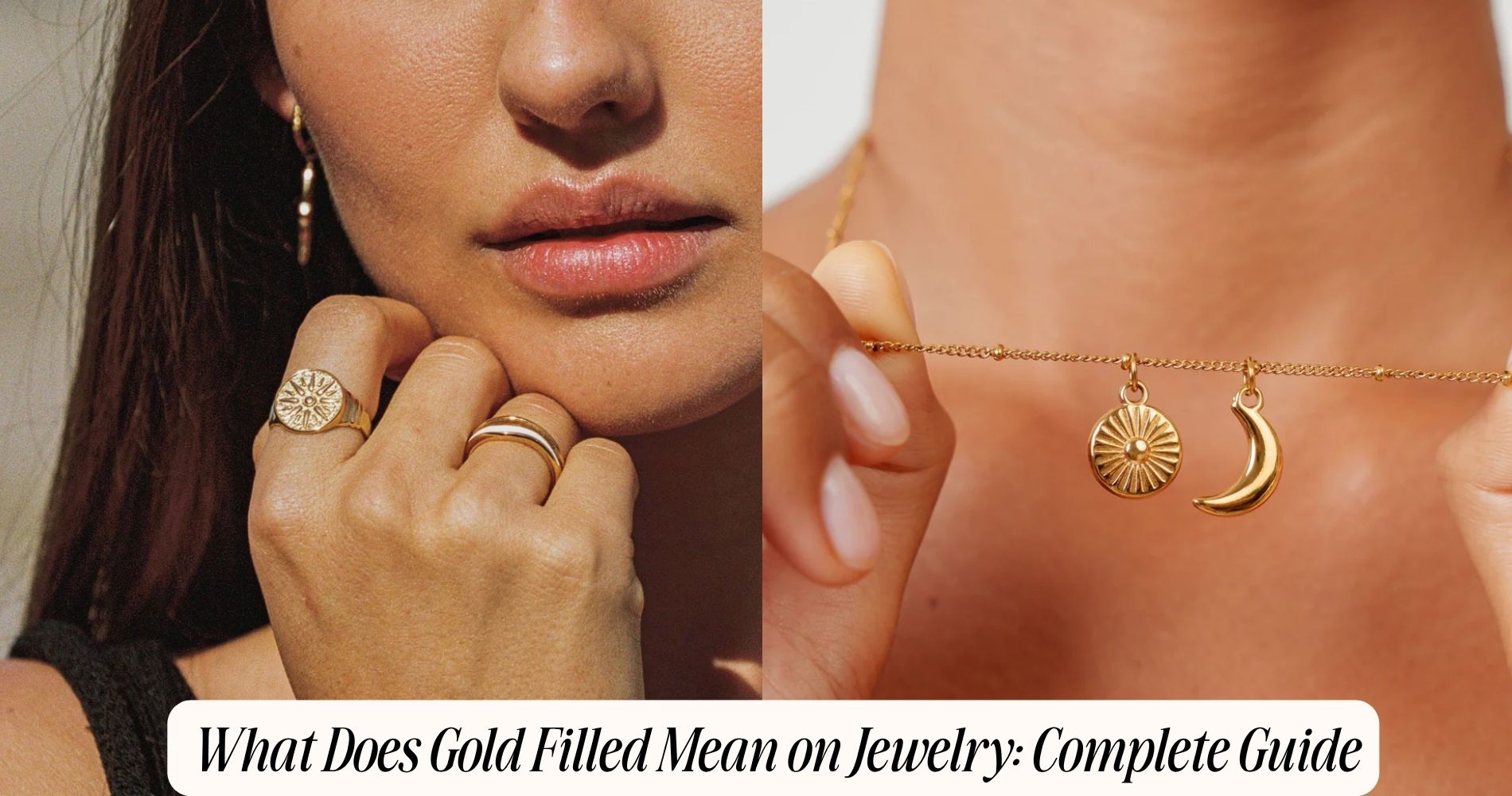
What Does Gold Filled Mean on Jewelry: Complete Guide
What does gold filled mean on jewelry? Gold-filled jewelry features a thick layer of gold mechanically bonded to a base metal, usually brass, making it far more durable than standard gold plating. Because it contains significantly more real gold, it resists wear and tarnish better over time. In the U.S., gold-filled pieces must meet specific gold-content standards and are often marked with karat and GF stamps. With proper care, gold-filled jewelry can maintain its appearance for years. Warm-toned styles from the Sun Jewelry collection pair beautifully with the lasting shine and everyday appeal of gold-filled pieces.
What “Gold-Filled” Means
"Gold-filled" describes a metal composite in which a thick layer of gold is permanently bonded to a base metal, usually brass, through heat and pressure.
You’ll recognize gold-filled items by their substantial gold content compared with plated pieces; they resist wear and retain appearance longer.
When evaluating pieces, you should distinguish technical definitions from marketing: gold filled history explains how the process evolved in the 19th and 20th centuries to provide durable, affordable alternatives to solid gold.
You’ll also need to confront gold filled misconceptions—claims that it’s equivalent to solid gold or impervious to abrasion.
In practice, maintenance, thickness, and substrate determine longevity; you should evaluate hallmark stamps and wear patterns rather than rely on promotional language for accurate appraisal.

How Gold-Filled Is Made : And U.S. Legal Standards
A layered construction bonds a thick sheet of gold to a base metal—typically brass—using heat and pressure, producing durable pieces that differ technically from plating and solid gold.
You’ll see the manufacturing process begin with mechanically bonding a gold foil or sheet to a core rod or plate; the assembly is heated and rolled to fuse layers without melting the core.
U.S. composition standards require that gold-filled jewelry contain a minimum fraction of gold by weight—commonly 1/20 (5%) of the total—and be marked to indicate karat and gold-filled status.
When you inspect specifications, look for clear stamping (e.g., “14K GF 1/20”) that documents both karat and the legally defined minimum layer proportion.
Care Tips And Simple Tests For Gold-Filled Jewelry
Think of gold-filled pieces as engineered components: they need routine, targeted care to preserve the bonded gold layer and underlying substrate.
You’ll handle them with controlled cleaning methods—use a soft, lint-free cloth and mild non-abrasive detergent diluted in warm water; rinse promptly and pat dry. Avoid ultrasonic cleaners and harsh chemicals that can breach the bond. For quick maintenance, wipe after wear to remove oils and sweat.
Adopt storage tips that minimize abrasion and corrosion: separate compartments, anti-tarnish pouches, or soft-lined boxes prevent contact with harder metals and moisture.
For testing authenticity without damage, perform visual inspection, magnet testing, and gentle acid-free scratch tests on inconspicuous areas or consult a professional assay for conclusive results.

Durability: Gold-Filled Vs Plated Vs Solid Gold
When you compare longevity across gold-filled, gold-plated, and solid gold, the distinction comes down to layer thickness, bonding method, and base-metal resilience: solid gold (alloyed throughout) resists wear and corrosion best.
Gold-filled pieces—created by mechanically bonding a thick outer layer of karat gold to a base metal—offer a durable, serviceable surface that withstands everyday abrasion far better than gold plating.
Gold-plated items, which rely on a very thin electroplated coating, will show base-metal exposure and wear relatively quickly under the same conditions.
You’ll find solid gold endures without a plated layer to thin.
Gold-filled advantages include substantial gold content, robust mechanical bonding, and repairability; gold-filled disadvantages are higher weight and limited karat options versus solid.
Plated items are low-cost but short-lived.
Buying Guide: Cost, Value, And Best Use Cases
Budgeting for jewelry means balancing upfront cost, long-term value, and intended use so you get pieces that perform where you need them most.
When you evaluate gold-filled, quantify material thickness (fractional weight of gold) and compare prices to plated and solid gold to determine real cost-per-wear.
Consider investment potential: gold-filled won’t appreciate like solid gold, but it offers durable appearance and lower depreciation for frequent-wear items.
Match use case to construction—earrings, pendants, and daily bracelets are ideal for gold-filled; high-impact rings and heirloom pieces warrant solid gold.
Track fashion trends for style longevity; opt for classic silhouettes if you want sustained utility.
Finally, inspect solder quality and base-metal alloys to guarantee hypoallergenic performance and predictable maintenance costs.

Frequently Asked Questions
Can Gold-Filled Jewelry Cause Allergic Reactions With Sensitive Skin?
Yes — you can experience allergic reactions from gold-filled jewelry if your skin sensitivities react to underlying base metals or plating wear; you’ll notice rash, itching, or discoloration as the protective gold layer degrades over time.
Is Gold-Filled Safe to Wear While Sleeping or Swimming?
You can usually sleep in gold-filled jewelry, but avoid swimming—chlorine and salt accelerate wear. For durability concerns, follow maintenance tips: remove before baths, dry thoroughly, and polish gently to preserve the bonded gold layer.
How Can You Tell if Vintage Pieces Are Genuinely Gold-Filled?
You check vintage markings, test gold content with acid or XRF, inspect layer thickness, and verify maker’s stamps and wear patterns; you’ll confirm authenticity by combining hallmark research, precise measurement, and professional assay documentation.
Can Gold-Filled Jewelry Be Resized or Repaired Like Solid Gold?
Yes — you can resize and repair gold-filled pieces, but you'll need skilled techniques because gold filled durability differs from solid gold; follow precise gold filled maintenance to avoid removing the bonded layer or causing delamination during work.
Do Hallmark Stamps Differ Internationally for Gold-Filled Items?
Yes — you'll see hallmark variations internationally: countries follow different international standards, so markings, alloy codes, and manufacturer stamps vary; you’ll need to verify local regulations and assay practices to confirm gold-filled authenticity and specifications.
Conclusion
You now know gold-filled means a thick bonded layer of gold over a base metal that meets U.S. regulatory weight standards, how it’s manufactured, and how to test and care for it. It resists wear far better than plated pieces, offering near-solid-gold appearance and durability at a fraction of the cost. Use gold-filled for everyday jewelry and investment-savvy purchases, follow simple cleaning steps, and expect long-term performance when you buy from reputable sources.







Leave a comment
This site is protected by hCaptcha and the hCaptcha Privacy Policy and Terms of Service apply.