


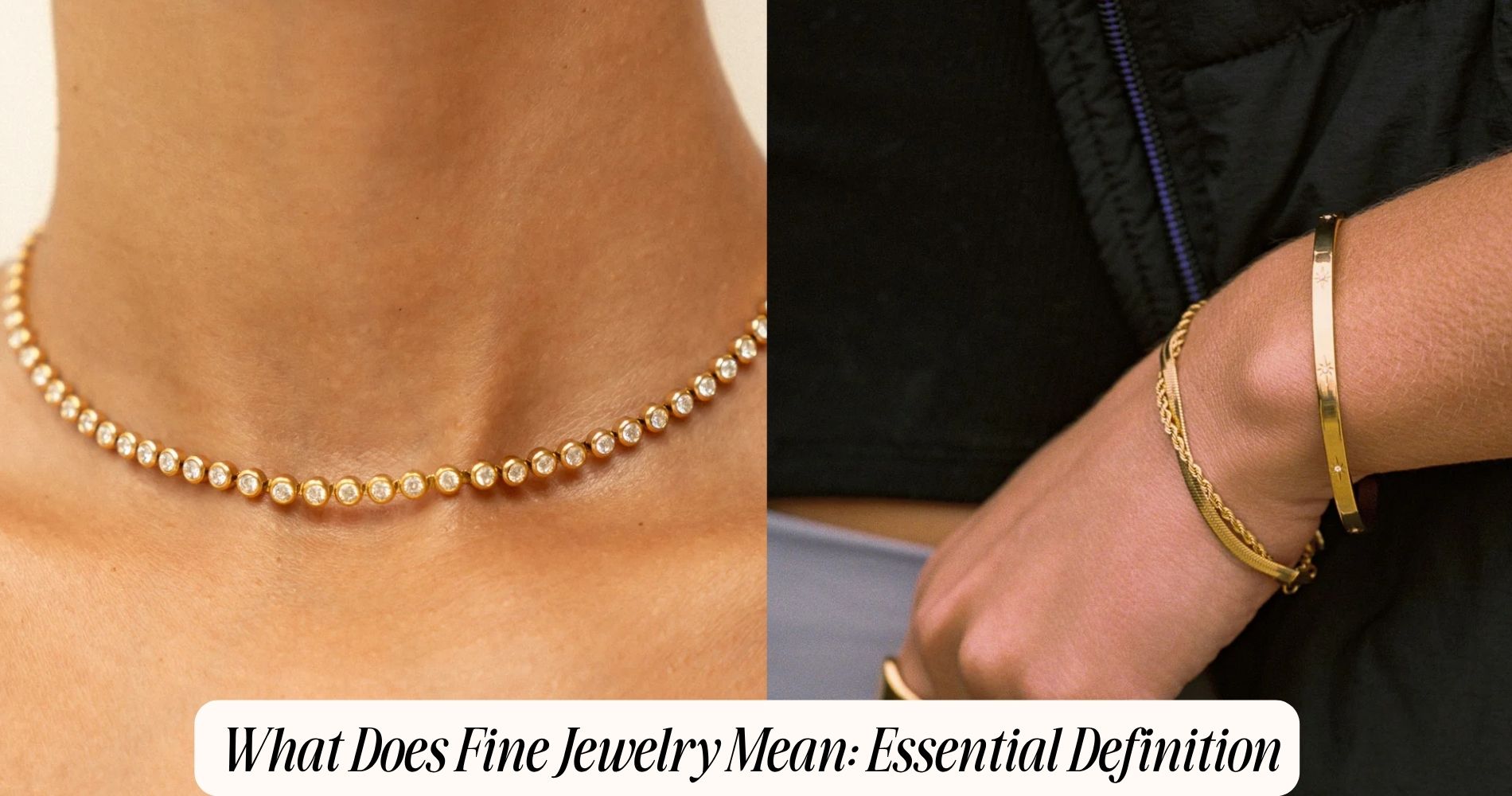
What Does Fine Jewelry Mean: Essential Definition
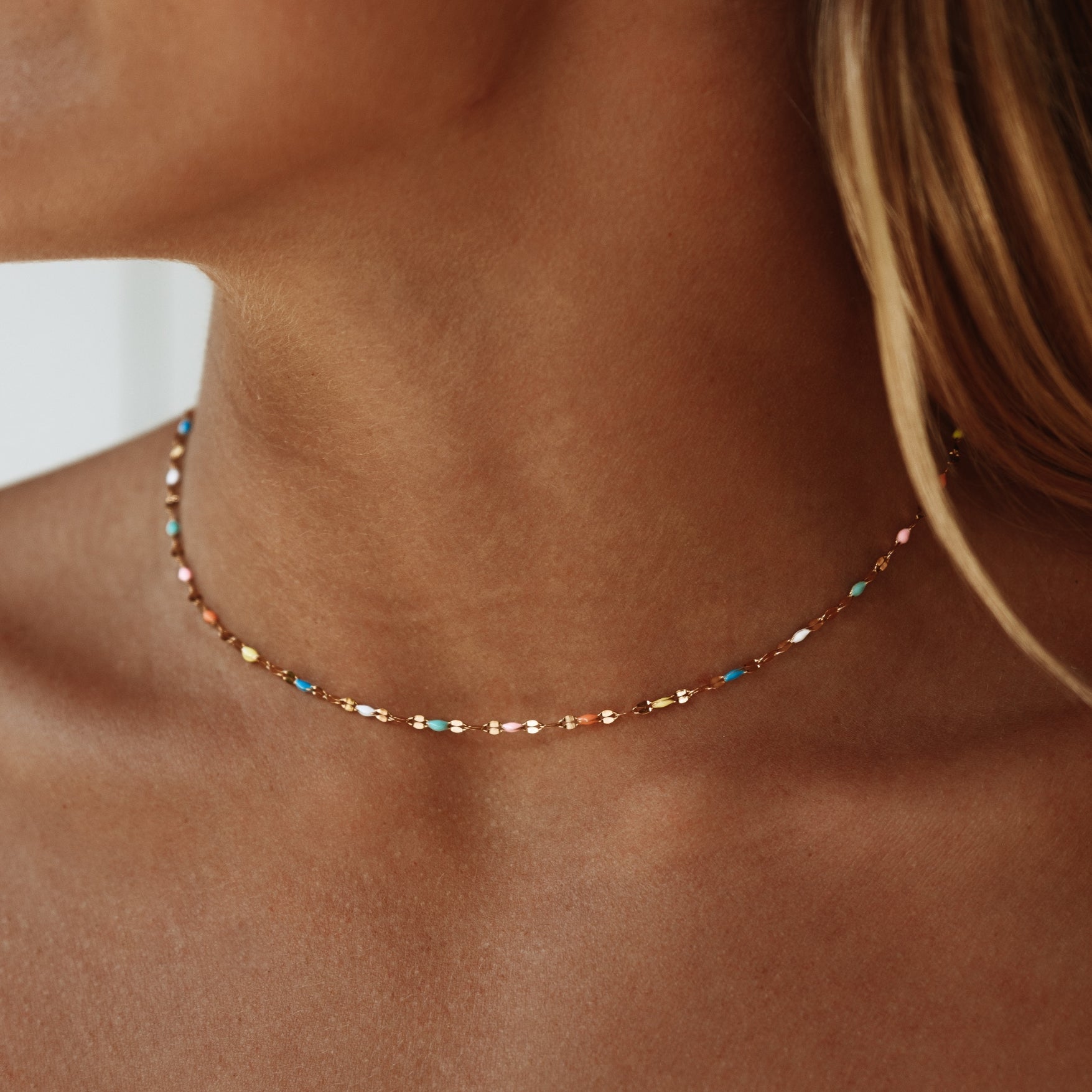
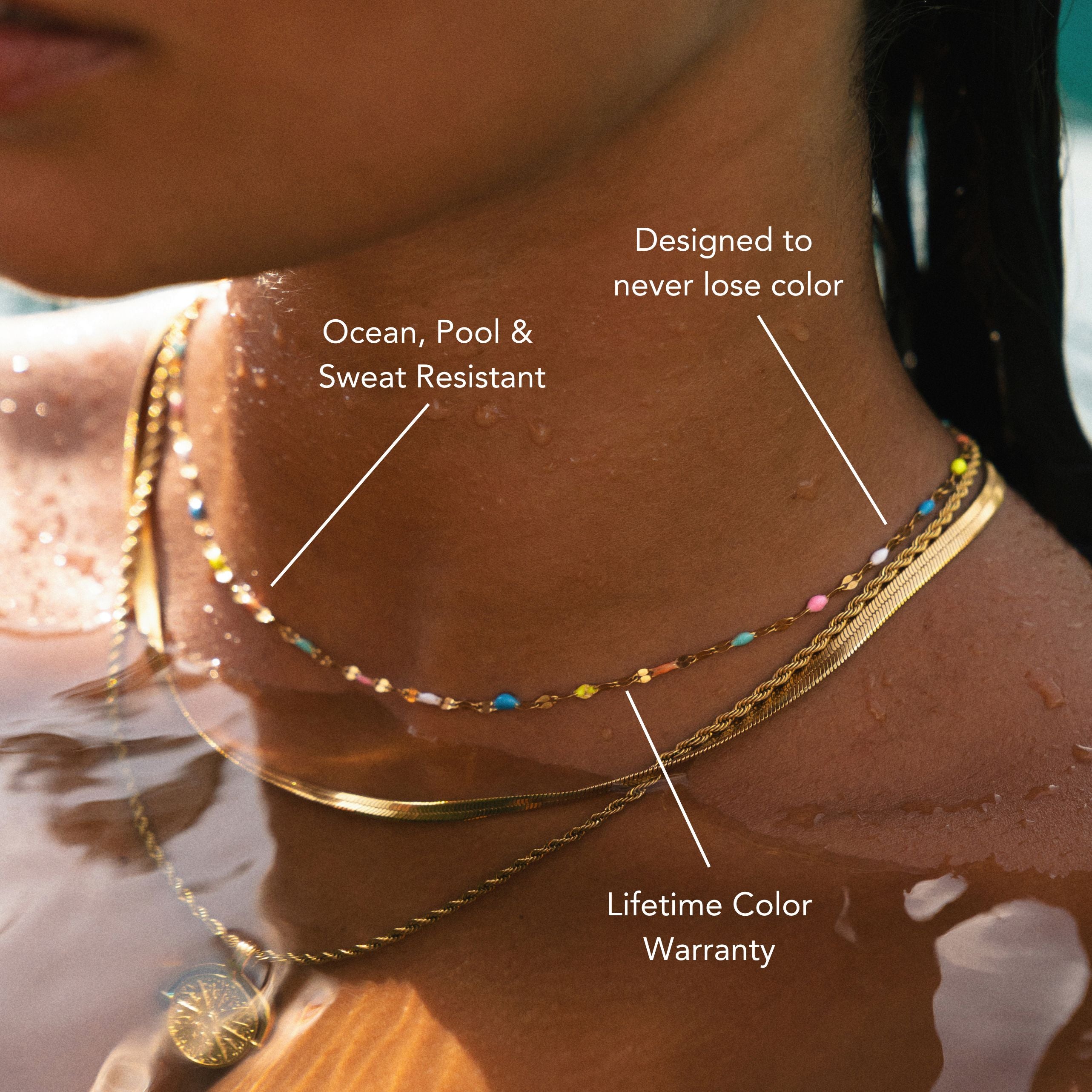
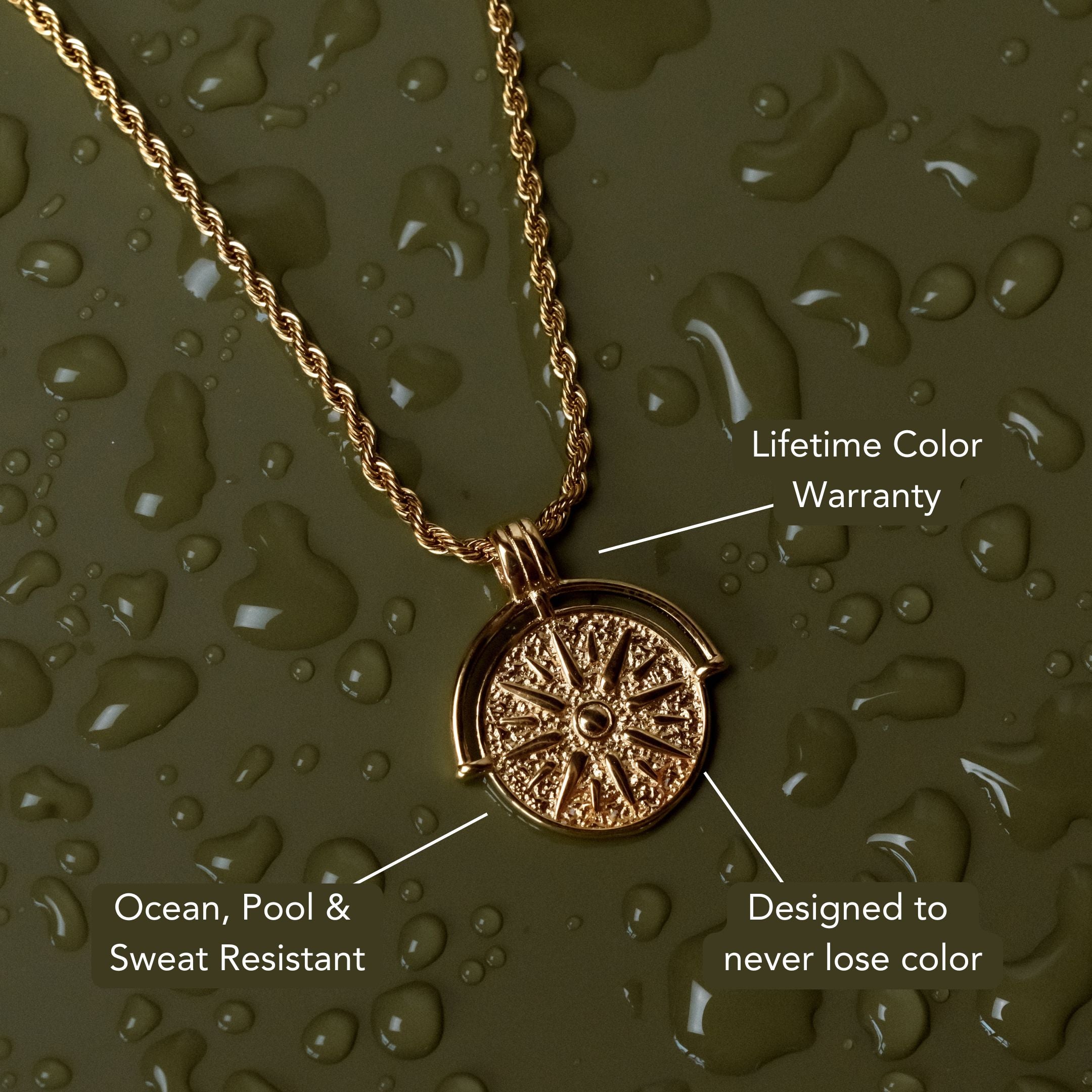
What does fine jewelry mean? Fine jewelry refers to pieces valued for both durability and intrinsic materials, typically crafted from precious metals like gold, platinum, or high-grade silver and often set with genuine gemstones or diamonds. These pieces usually feature purity hallmarks, verified gemstone grading, and detailed craftsmanship that contribute to long-term value. Ethical sourcing, proper care, and appraisals also play an important role in defining fine jewelry. For everyday wear with lasting appeal, collections like Waterproof Jewelry combine durability with elevated style. Keep reading to explore hallmark meanings, gemstone grading, and valuation tips.
Fine Jewelry Defined (Quick Answer for Shoppers)
Although you might hear "fine jewelry" used loosely, it specifically refers to pieces crafted from precious metals (like gold, platinum, or high-grade silver) and set with genuine gemstones or diamonds. These items meet recognized standards for metal purity and gem authenticity, are designed for longevity, and command higher intrinsic value than fashion or costume jewelry.
You’ll assess fine jewelry characteristics by examining metal content, gem certification, fabrication methods, and durability metrics. Distinguishing features include stamped purity indicators, precision settings, secure clasps, and documented provenance or lab reports for stones.
You’ll prioritize measurable attributes—karat value, alloy composition, refractive indices, and clarity grades—over aesthetics alone. That analytical approach lets you differentiate investment-grade pieces from decorative costume items reliably.

Reading Metal Hallmarks on Fine Jewelry
When you inspect a piece of fine jewelry, the tiny stamped hallmarks are your primary objective indicators of metal content and maker responsibility.
You’ll first locate punches indicating metal types—numbers like 750 for 18K gold, 925 for sterling silver, or PT950 for platinum.
Learn standard mark formats: fineness numbers, assay office symbols, maker’s marks and date letters; each conveys quantifiable information.
Use a loupe, good lighting and reference charts to translate symbols into material specification and provenance.
Understand hallmark history to contextualize variations by country and era; older pieces may lack modern fineness stamps but retain assay or town marks.
Record marks photographically and cross-check with authoritative databases before concluding authenticity or purity.
Gemstone Grading: Diamonds and Colored Gems
Any serious assessment of gemstones starts by applying standardized grading systems that quantify optical and physical properties; for diamonds you’ll use the 4Cs (cut, color, clarity, carat), while colored gems demand additional metrics like hue, tone, saturation, and treatment disclosure.
You evaluate gemstone clarity under controlled magnification, documenting inclusions’ size, number, position, and nature because these directly affect light performance and durability.
For diamonds, color grading follows standardized scales from colorless to tinted; for colored gems, precise hue, tone, and saturation measurements determine market category.
You must also record provenance of treatments—heat, irradiation, filling—and disclose them, since treatments alter stability and value.
Accurate, repeatable reports let you compare specimens objectively and support informed purchase or certification decisions.

Why Maker, Construction, and Provenance Matter
Grading gemstones gives you an objective measure of their optical and physical qualities, but the maker, construction, and provenance define how those qualities perform in a finished piece and how the market values them.
You evaluate maker influence by evaluating design precision, signature techniques, and documented production standards; provenance importance comes from verifiable ownership history and exhibition or auction records that affect liquidity and price.
Construction quality is measurable: solder integrity, setting tension, symmetry tolerances, and alloy composition determine wearability and repair costs.
You factor ethical sourcing into provenance evaluations, verifying supply-chain documentation and third-party certifications to mitigate reputational and regulatory risk.
Six Quick Tests to Spot Costume vs. Fine Jewelry
Start with six rapid, evidence-based checks that let you separate costume from fine jewelry without specialized lab gear.
First, weigh items: costume characteristics often include lightweight substrates; fine jewelry indicators show higher density metals.
Second, magnet test: ferrous attraction suggests base metals typical of costume.
Third, look for hallmarks: stamped fineness and maker marks are fine jewelry indicators.
Fourth, examine settings: glued or thin prongs imply costume characteristics; robust bezel/prong work signals fine construction.
Fifth, inspect stones: visible foil backing or uniform mass-produced facets point to costume; natural inclusions and varied cutting indicate fine gems.
Sixth, test wear patterns: rapid plating loss, discoloration, and flaking denote costume characteristics; persistent luster supports fine jewelry indicators.
Valuation and Insurance for Fine Jewelry
When valuing fine jewelry, you should combine objective market data, documented gemological assessments, and condition analysis to determine replacement and resale values. Insurers expect formal appraisals that cite metal fineness, gem carat weights, clarity/color grades, cut quality, mounting integrity, provenance, and comparable sales.
You’ll follow a rigorous appraisal process: verify hallmark stamps, measure and weigh components, confirm gem identifications via spectrometry or microscopy, and document condition issues affecting retail replacement cost versus secondary-market liquidity.
For jewelry insurance, you’ll present a dated, signed report with photographs, value basis (replacement vs. resale), and dealer comparables. Update appraisals after significant repair, market shifts, or inheritance events.
Insurers may require scheduled coverage for high-value items; exclusions and deductibles vary, so read policy clauses carefully.
Caring for Fine Jewelry: Cleaning and Maintenance
Having documented an item's construction, gem properties, and condition for appraisal, you'll need a systematic regimen of cleaning and maintenance to preserve those assessed attributes and the values they support.
Start by categorizing pieces by metal and gemstone hardness; reference Mohs values to select appropriate cleaning techniques. Use ultrasonic cleaners only for hard, stable gems; avoid them for fractures, filled stones, or opals.
For soft metals or plated items, employ mild detergent, soft brushes, and cotton swabs. Rinse with deionized water and dry with lint-free cloths to prevent residue and corrosion.
Implement scheduled inspections: check prongs, settings, and clasps, and record torque and wear metrics.
For storage, control humidity, separate pieces to prevent abrasion, and follow manufacturer maintenance tips for plated or treated surfaces.

Frequently Asked Questions
How Does Sustainability Affect Fine Jewelry Sourcing and Production?
You’ll prioritize sustainable materials and eco friendly practices throughout sourcing and production, tracing supply chains, reducing waste and emissions, certifying responsible mines, using recycled metals, and adopting energy-efficient, low-impact manufacturing to meet regulatory and ethical standards.
Can Fine Jewelry Be Resized or Altered Without Losing Value?
Yes — you can resize or alter fine jewelry without losing value if you use appropriate resizing techniques, soldering expertise, minimal metal removal, documented provenance, and certified gem-handling to guarantee value preservation and structural integrity.
Are Lab-Grown Gemstones Considered Fine Jewelry?
Yes — you can consider lab-created diamonds and other lab-grown gemstones part of fine jewelry when craftsmanship, durable mounting, and proven gemstone authenticity are documented; they'll meet technical standards and market classifications if certified and precisely graded.
What Are Ethical Certifications for Conflict-Free Gems?
You should look for ethical sourcing standards like the Kimberley Process, Responsible Jewellery Council, and Chain-of-Custody schemes; gem certifications (GIA, IGI with provenance reports) validate conflict-free supply chains and traceability for responsible gems.
Can Fine Jewelry Trigger Metal Allergies or Sensitivities?
Yes — you can develop metal sensitivities from jewelry materials; nickel, copper, and alloys often provoke contact dermatitis. You’ll need hypoallergenic metals (gold ≥14K, platinum, titanium) and barrier coatings to prevent allergic reactions.
Conclusion
You now know fine jewelry means pieces crafted from precious metals and authenticated gemstones, graded and hallmarked to specific standards. Use metal stamps, gem reports, maker marks, and construction cues to distinguish fine from costume items. For accurate value and protection, get professional appraisal and insure based on certified grading. Maintain provenance records and follow regimented cleaning and maintenance protocols to preserve integrity, marketability, and long-term valuation. Prioritize documented authenticity.





Leave a comment
This site is protected by hCaptcha and the hCaptcha Privacy Policy and Terms of Service apply.