


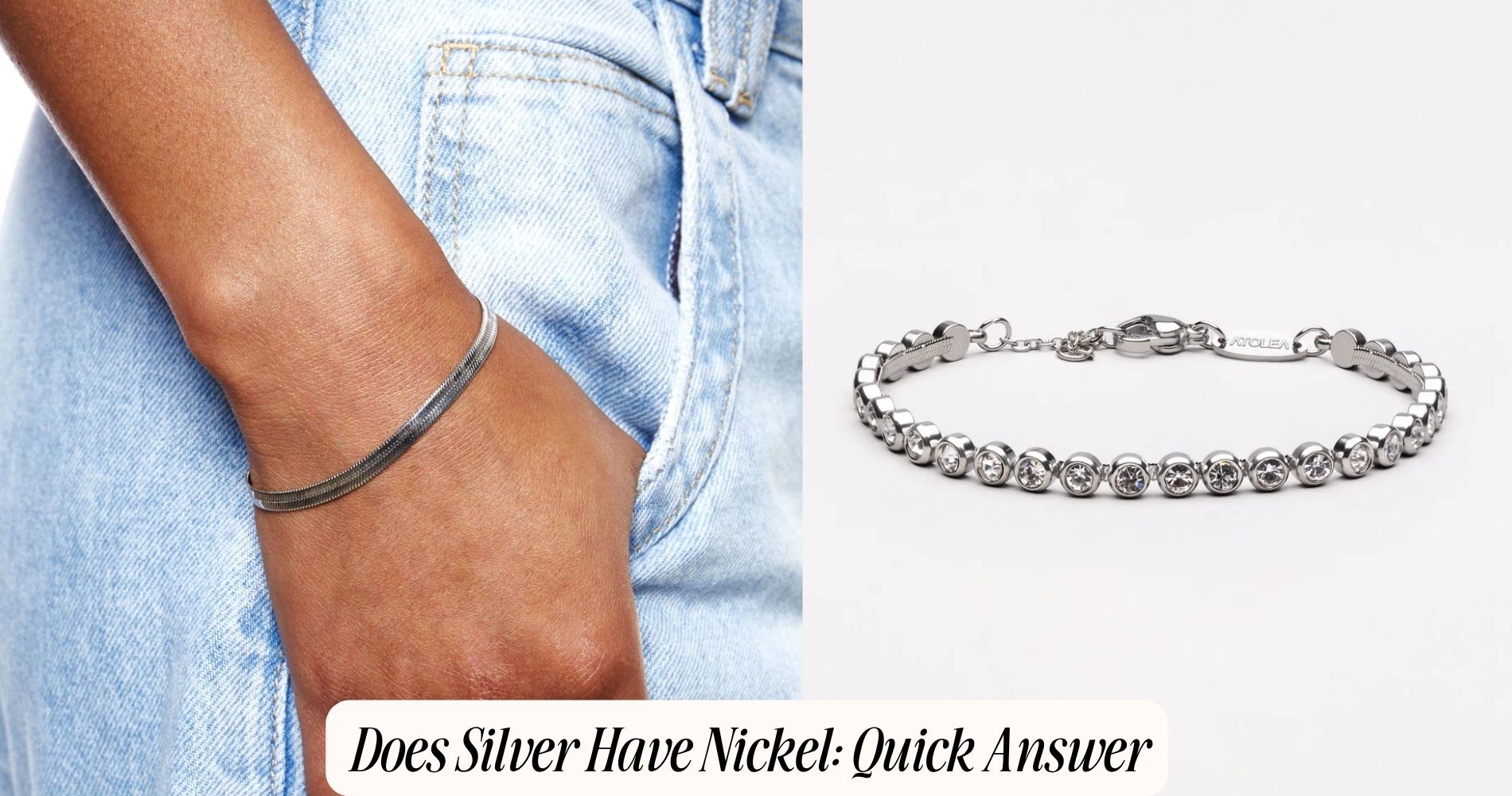
Does Silver Have Nickel: Quick Answer
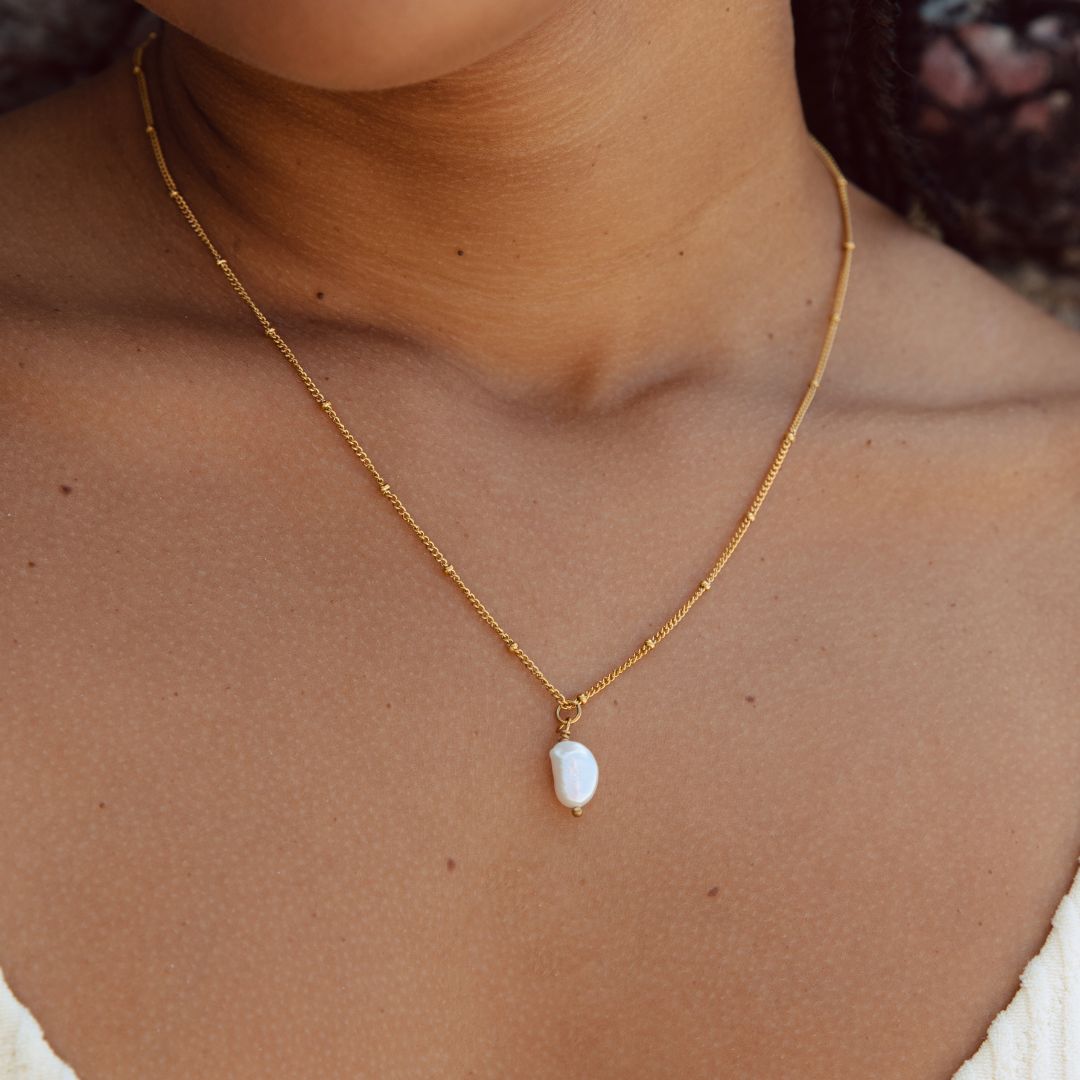
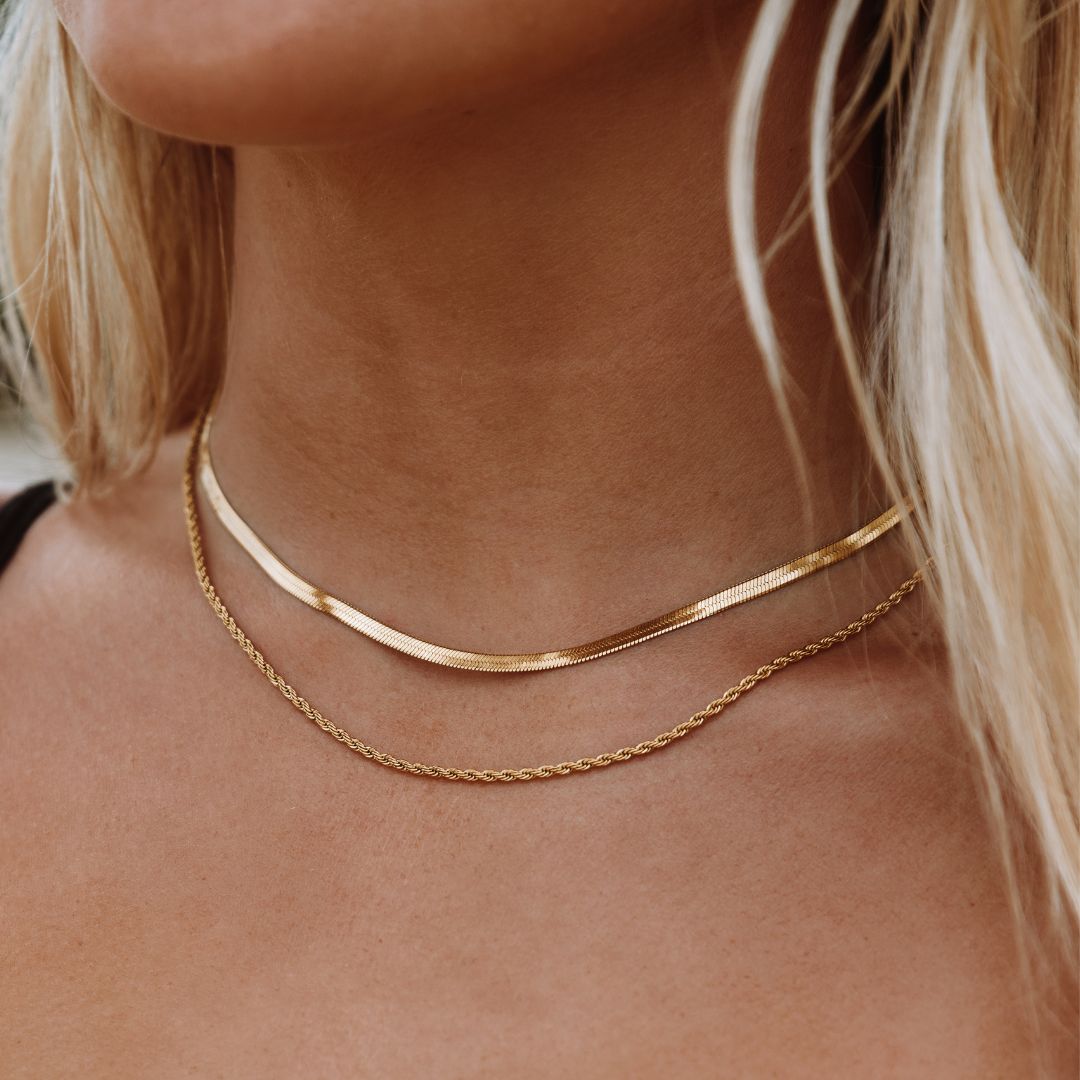
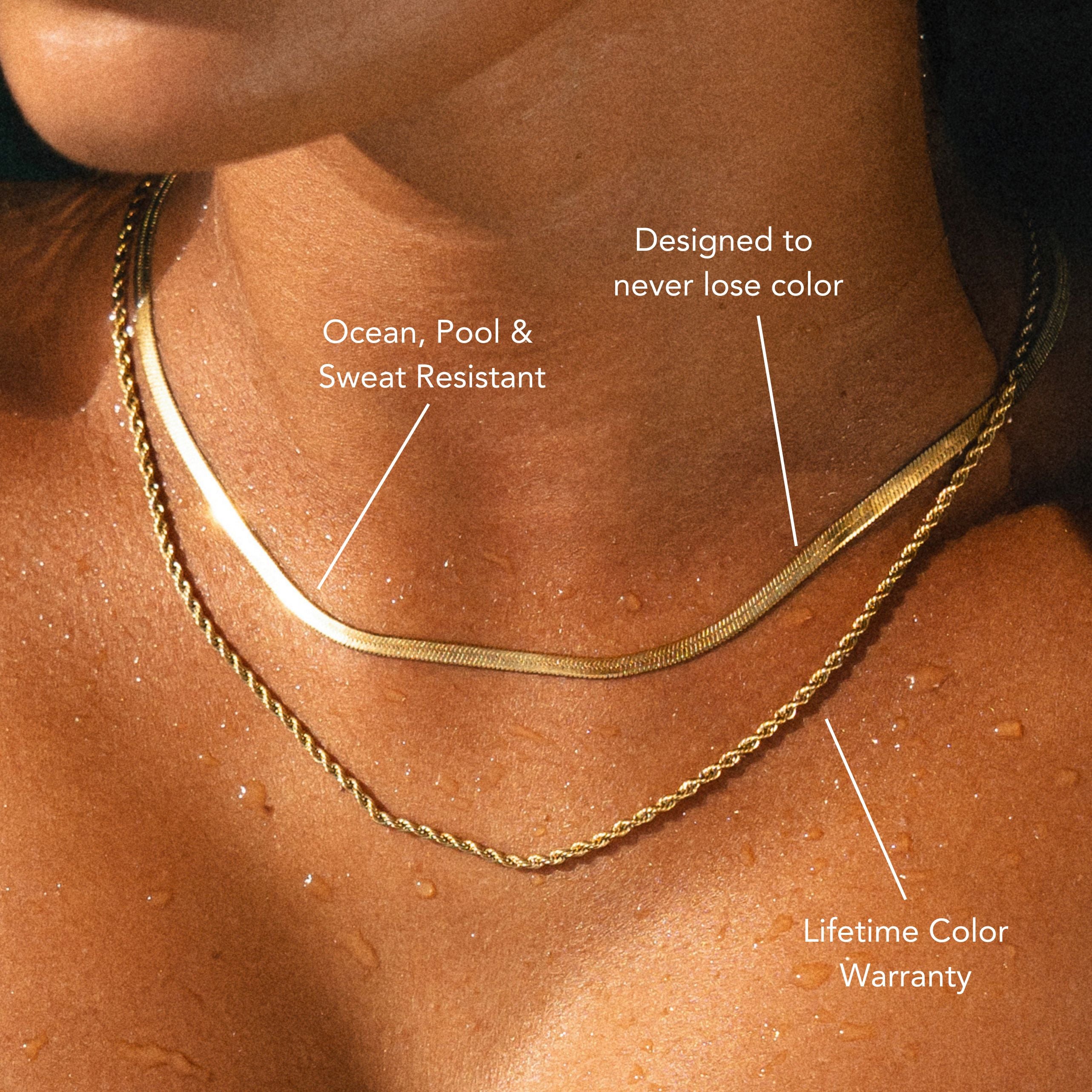
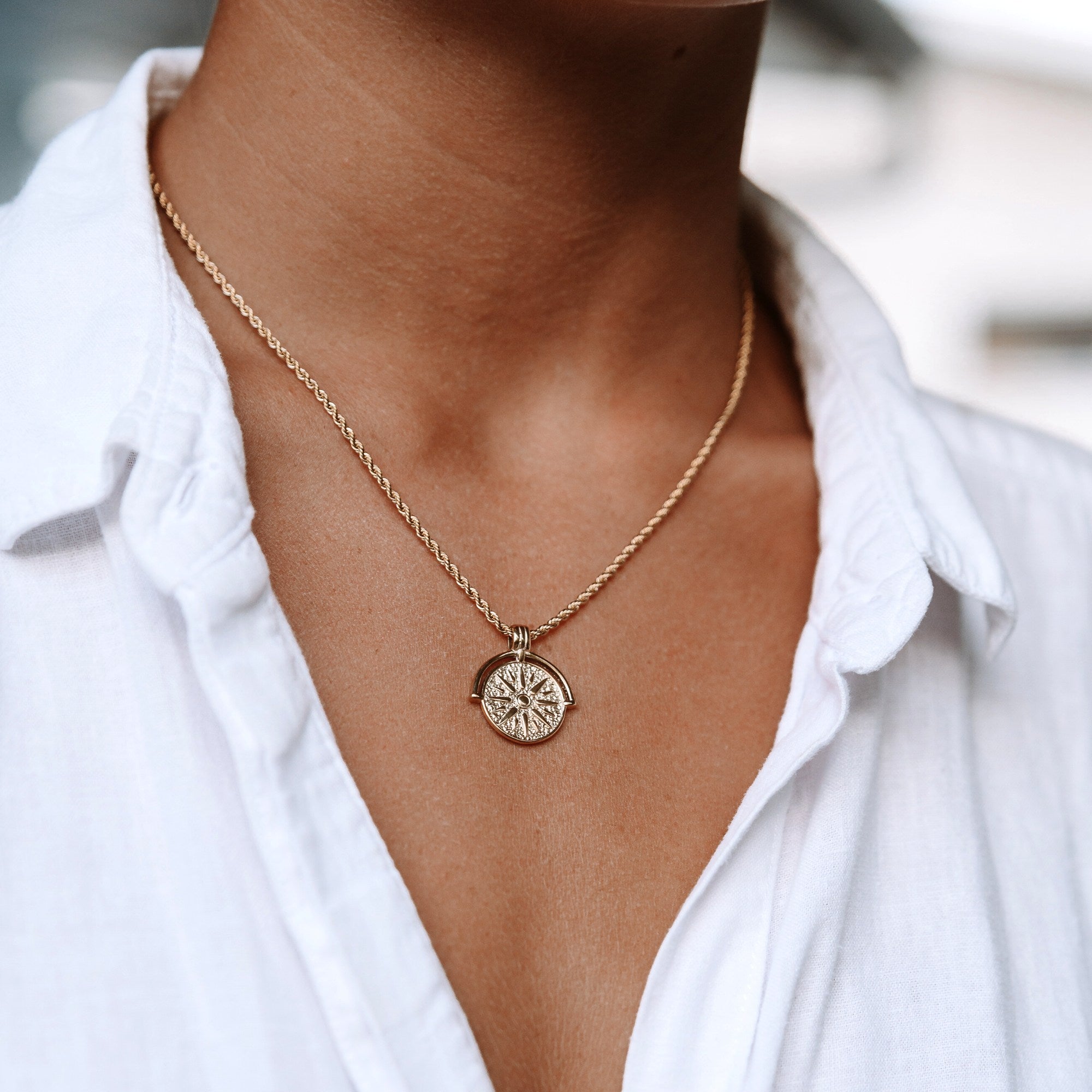
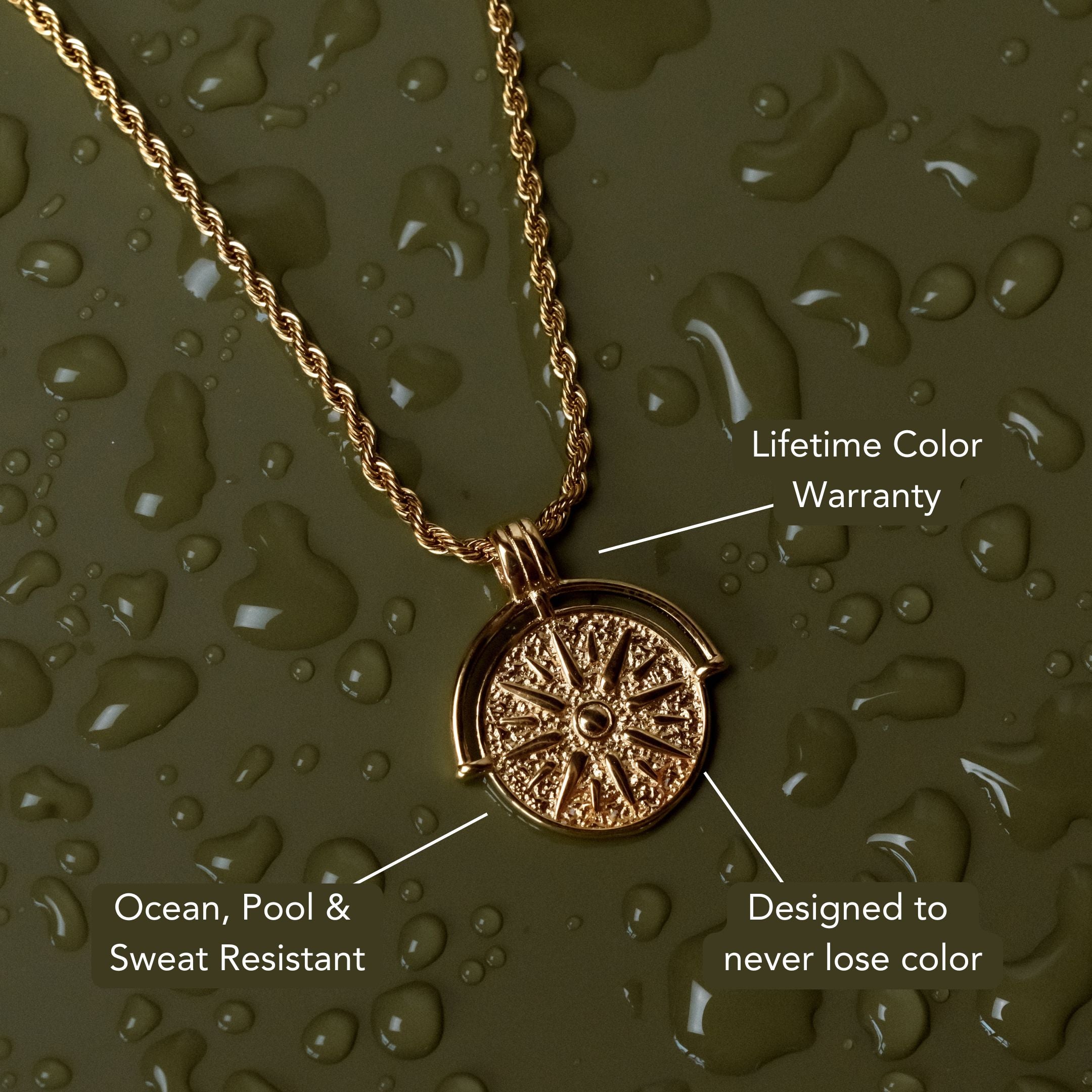
Does silver have nickel? Pure or fine silver (99.9% silver) does not contain nickel, so properly assayed fine silver pieces are typically nickel-free. However, some sterling silver alloys, plated jewelry, or lower-quality pieces may include nickel for strength or as a base metal, which can trigger skin irritation in sensitive individuals. Checking hallmarks like .925, reviewing product descriptions, or requesting alloy details can help you identify safer options. Collections such as Silver Waterproof Jewelry are designed with durability and everyday comfort in mind. Keep reading to learn how to spot and avoid nickel-containing silver jewelry.
Does Silver Contain Nickel? Quick Answer
Does silver contain nickel? You’ll find that pure silver (Ag) doesn’t inherently include nickel, but many silver alloys do.
When manufacturers need greater strength or altered melting behavior, they alloy silver with metals that can include nickel. You should assess specific alloy compositions—sterling silver (typically 92.5% Ag) substitutes copper, not nickel, yet other commercial silver alloys may list nickel.
You’ll evaluate material safety by reviewing technical data sheets and certifications to identify nickel interactions with silver matrix phases, corrosion behavior, and potential ion release. If you’re sensitive to nickel, request compositional analysis or hypoallergenic certifications.
In short: pure silver lacks nickel, but silver alloys can contain it depending on formulation and processing controls.

Why Fine (Pure) Silver Is Nickel-Free
Having noted that many silver products are alloys, you should understand why fine (pure) silver is free of nickel: fine silver is defined as 99.9% elemental silver (Ag) by mass, produced and certified to minimize impurity levels, so manufacturers don't intentionally add nickel during refining or fabrication.
You’ll rely on assaying and trace-impurity controls to verify silver composition and metal purity; typical laboratory techniques—fire assay, ICP-MS, and XRF—quantify residual elements at parts-per-million levels.
Because nickel would degrade declared fineness and alter physical properties, processors avoid it; any detected nickel is an unintended trace contaminant below certification thresholds.
When you examine a fine-silver hallmark or certificate, you’re seeing assurance that the declared silver composition excludes purposeful nickel alloying.
Nickel Risks in Sterling and Silver-Plated Items
Although sterling and silver-plated items are marketed as “silver,” they can expose you to nickel because both base-metal alloys and plating procedures often incorporate nickel-containing materials. Sterling is typically 92.5% Ag with copper or nickel alloys making up the remainder. Silver plating may be applied over nickel-containing substrates or strike layers.
You should recognize that nickel can diffuse to surfaces through wear, corrosion, or thin plating, producing dermatitis in sensitized individuals. For jewelry safety, assess construction: multilayer plating, barrier coatings, and higher silver thickness reduce nickel migration but don’t eliminate it.
Lab testing (spot tests, XRF, chemical analysis) quantifies release rates relative to regulatory limits. If you react, prefer verified nickel-free items and barrier strategies to minimize allergic reactions and cumulative exposure.

How to Spot Nickel: Hallmarks, Labels, and Seller Questions
How can you quickly tell whether a piece contains nickel?
Check hallmarks first: sterling (.925) denotes 92.5% silver and typically excludes nickel, while marks like “nickel silver,” “German silver,” or “alpaca” indicate copper‑nickel alloys.
Read labels: manufacturers often list base metals; absence of a clear silver mark but presence of “base metal” or “plated” warrants skepticism if you have nickel allergies.
For sellers, ask direct, documented questions: request alloy composition, plating thickness, and whether nickel was used in solder or base layers.
Use precise language—don’t accept vague “silver tone.”
For metal identification, demand written confirmation or certified assay from the seller before purchase to reduce exposure risk and guarantee traceable information for allergy management.
Quick Tests and Professional Nickel Testing Options
When you need a fast, on‑the‑spot check for nickel exposure, a few simple chemical and physical tests will give immediate, though not definitive, results.
You can use nickel test kits (dimethylglyoxime reagent) to detect surface nickel: clean the sample, rub with a cotton swab soaked in reagent; a pink/red spot indicates nickel release.
Magnet and streak tests help exclude some alloys but aren’t conclusive for nickel identification.
For precise results, send samples to a lab offering XRF spectroscopy or ICP-OES; XRF is non‑destructive and reports elemental composition, ICP-OES provides trace‑level quantification after digestion.
Choose accredited labs, request detection limits and reporting for nickel, and compare results to regulatory thresholds for contact allergy risk.
What to Buy If You’re Allergic: Safe Silver Alternatives and Certifications
After you've used spot tests or lab reports to confirm nickel presence or absence, you'll want practical options for everyday wear that minimize contact allergy risk.
Choose certified safe metals: fine silver (999), 18K or higher gold with documented nickel-free alloying, platinum, and titanium. Look for hallmarks and third-party certifications (nickel-free, REACH-compliant, or ISO-tested) on product listings.
Favor allergy-friendly jewelry labeled specifically for sensitized skin; verify certificates or lab reports when available. Consider protective coatings (clear lacquer or rhodium plating) applied and maintained per manufacturer guidance, knowing coatings can wear.
For pierced items, implant-grade titanium or niobium are ideal. Keep purchase records and certification copies; they help validate claims and support returns if reactions occur.
FAQ: Common Nickel-in-Silver Questions and Short Answers
Want quick answers about nickel in silver? You’ll find concise, technical responses that address common concerns about nickel allergies and silver jewelry.
Does sterling silver contain nickel? Standard 925 sterling is primarily silver (92.5%) with copper; nickel isn’t required but can be present in some alloys.
Will it trigger nickel allergies? If nickel is absent or below regulatory release limits, it’s unlikely; individual sensitivity varies.
How can you verify? Look for hallmarks, request material certificates, or test with certified nickel spot tests.
Is plated silver safe? Plating can block nickel but wears; damaged plating may expose nickel.
What’s safest? Pure fine silver (999) or nickel-free certified alloys minimize risk.
When in doubt, seek hypoallergenic or nickel-tested silver jewelry.
Frequently Asked Questions
Can Silver Jewelry Cause Skin Discoloration Unrelated to Nickel?
Yes — you can get skin discoloration from silver jewelry unrelated to nickel. You’ll encounter skin reactions caused by metal corrosion, copper-containing jewelry alloys, oxidation, or topical chemicals; they’ll stain or irritate skin without nickel involvement.
Is Nickel-Free Sterling More Expensive Than Regular Sterling?
Yes — you’ll often pay more for nickel-free sterling due to certification and alloy control; price comparison shows a premium driven by specialized production and higher market demand for hypoallergenic, regulated pieces despite similar silver content.
Do Silver Coins Contain Nickel or Other Allergens?
Most modern silver coins don't contain nickel; they're primarily silver and copper alloys. You should check silver coin composition for specific issues, since some lower-grade or plated coins can pose allergen concerns to nickel-sensitive individuals.
Can Silverware Release Nickel During Cooking or Dishwashing?
Yes — if your silverware composition includes nickel alloys, it can release nickel during cooking or dishwashing; you'll want corrosion-resistant grades or nickel-free options to guarantee cooking safety and minimize allergen leaching and surface degradation.
Are Antique Silver Pieces More Likely to Contain Nickel?
Yes — you're more likely to encounter nickel in antique silver composition, especially plated or mixed-alloy items; you should practice nickel allergy awareness, test suspect pieces, and prioritize certified sterling or assay-marked items to reduce risk.
Conclusion
You won’t find nickel in fine (999) silver, but sterling (925) and many silver-plated items can contain nickel as an alloy or base-metal substrate. If you’re nickel-sensitive, inspect hallmarks, request composition info, and choose pieces stamped 999 or labeled “nickel-free” or “hypoallergenic.” Use spot tests or lab XRF for certainty. Prioritize certified alternatives like palladium or pure gold-filled/silver-tone items specified as nickel-free to prevent contact dermatitis.





%20does%20not%20contain%20nickel,%20so%20properly%20assayed%20fine%20silver%20pieces%20are%20typically%20nickel-free.%20However,%20some%20sterling%20silver%20alloys,%20plated%20j...)
Leave a comment
This site is protected by hCaptcha and the hCaptcha Privacy Policy and Terms of Service apply.