


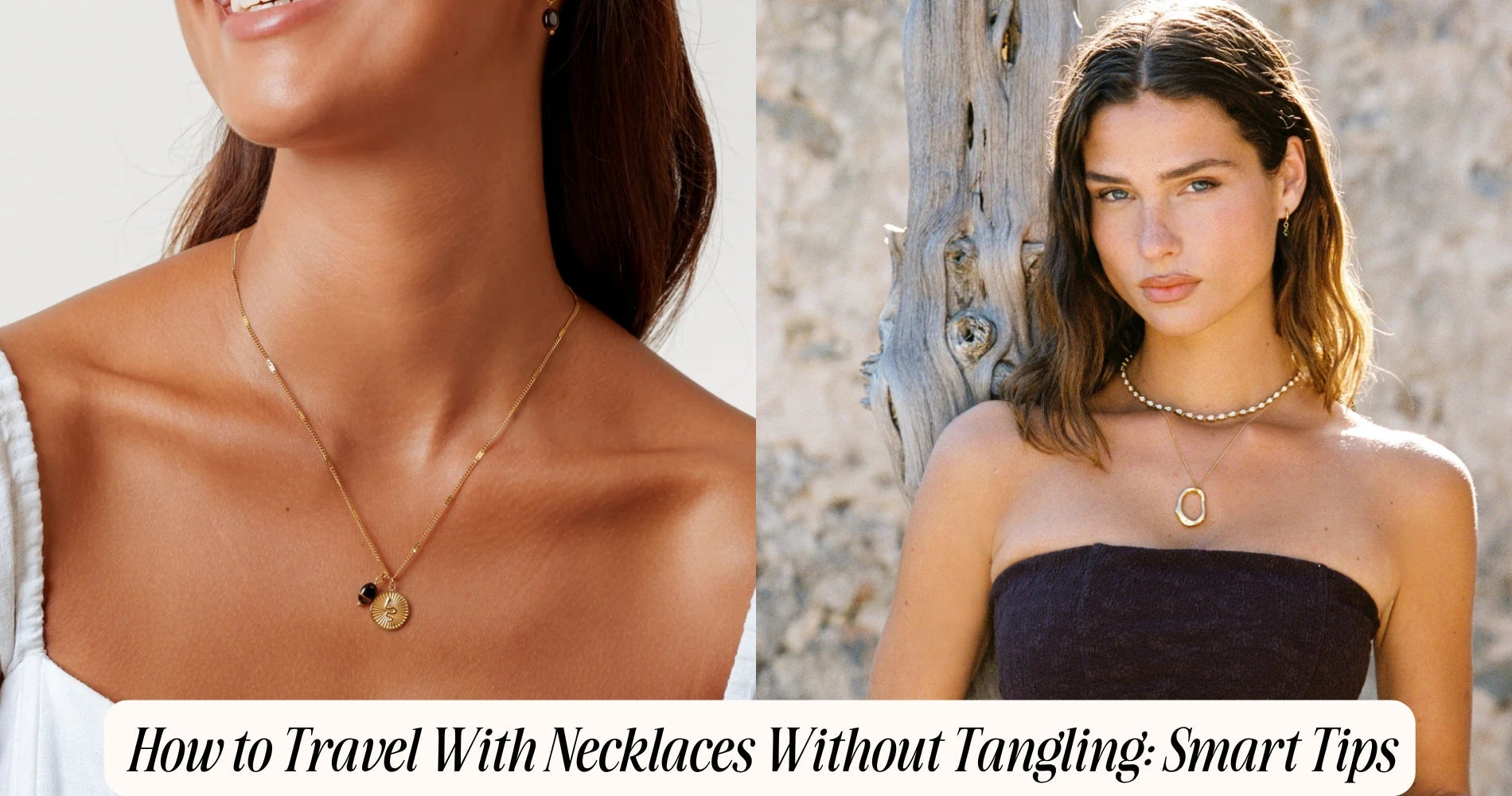
How to Travel With Necklaces Without Tangling: Smart Tips
A tangled necklace at the start of a trip sets the wrong tone, and the worst tangles always seem to happen to your favorite pieces. Knowing how to travel with necklaces without tangling is a solvable problem, not a matter of luck. Waterproof Necklaces in fine chain styles are particularly prone to tangling in transit, which makes the methods in this guide especially relevant. This guide covers every reliable tangle-prevention method from the simplest household hacks to purpose-built travel storage, explains why tangling happens so you can address the root cause, and covers how to handle the specific situations most likely to create problems: carry-on packing, checked luggage, and extended multi-destination trips.
Why Necklaces Tangle in Transit
Understanding why necklaces tangle helps you choose the right prevention method rather than applying the wrong fix to the wrong problem.
Necklaces tangle for two distinct reasons in transit. The first is movement and vibration. During transport, bags experience continuous small vibrations from wheels on pavement, turbulence in the air, and general jostling in overhead bins or luggage holds. These vibrations cause loose necklace chains to shift and rotate against each other. The finer the chain, the more easily it responds to these micro-movements and finds its way into a knot.
The second reason is inadequate separation. When two or more chains occupy the same space without any physical barrier between them, their clasps, links, and pendant bails catch on each other over time. A clasp that would never catch on anything in a controlled setting becomes a tangling anchor in a bag that has been handled, dropped, and loaded dozens of times over the course of a trip.
Preventing tangles requires addressing one or both of these causes: either keeping each necklace physically separated from all others, or keeping each chain extended and unable to coil on itself. The methods below achieve one or both of these goals.

Method 1: The Straw Method
The straw method is the most widely recommended tangle prevention technique for fine chains, and it works consistently because it keeps each chain fully extended rather than loose and free to coil.
Thread one end of the necklace chain through a plastic drinking straw. Close the clasp over the straw so the straw is held captive within the chain loop. The chain sits extended along the straw's length and cannot coil or loop around itself during transport.
For multiple necklaces, use a separate straw for each one. Multiple straws packed together in a small zip-lock bag stay organized and take up almost no space in any bag. For longer chains, cut the straw to approximately the right length or thread the chain through without cutting.
This method works best for fine chains without pendants or with very small pendants. For chains with larger pendants, the pendant may hang free and catch on nearby items; wrapping the pendant in a small piece of tissue before placing the straw setup in a zip-lock bag solves this.
The straw method has no cost and uses materials available in almost any home, café, or hotel. It is the most accessible starting point for anyone who has not yet invested in jewelry travel storage.
Method 2: Individual Zip-Lock Bags
The simplest method for preventing tangling between multiple necklaces is one necklace per small zip-lock bag. This addresses the separation problem directly: chains in separate bags cannot catch on each other regardless of how much the bag moves.
Small zip-lock bags in the 2 by 3 inch or 3 by 4 inch sizes suit most necklaces. Place each necklace in its own bag with the clasp closed, coil it loosely in a single layer rather than dropping it in a loose pile, and seal the bag. Place all individual bags inside a larger bag or a small pouch to keep them together.
This method does not prevent the chain from coiling within its own bag, which means fine chains can still develop within-chain tangles, particularly over longer trips with significant bag movement. Combining the zip-lock method with the straw method (one straw-extended chain per zip-lock bag) addresses both causes of tangling simultaneously and produces the most reliable protection for fine chains.

Method 3: A Travel Jewelry Roll
A jewelry roll organizer is a soft case with individual fabric loops, pockets, and compartments designed to keep each piece separated and accessible. Quality jewelry rolls include necklace hooks or loops that hold each chain extended or separately suspended rather than loose.
The advantage of a jewelry roll over the household methods above is organization: you can see all your pieces at once when you unroll it, which makes daily selection easier on a multi-day trip. The disadvantage is cost and the need to carry an additional item.
For dedicated jewelry travelers or anyone bringing more than three or four pieces on a trip, a jewelry roll is worth the investment. Look for rolls with dedicated necklace sections that include individual snap or loop closures rather than open pockets where chains can slide together.
When packing a jewelry roll, close every necklace clasp before placing it in the roll, and ensure no chain is draped across an adjacent necklace's section. The organization only works if each piece occupies its intended space rather than crossing into adjacent sections.
Method 4: Using a Soft Flat Surface
For necklaces packed in a suitcase with some flat packing space, laying each necklace flat and extended on a soft surface prevents coiling and tangling significantly better than dropping chains loose into a bag.
Lay a flat jewelry cloth, a small piece of felt, or even a folded square of fabric on top of a clothing layer in your suitcase. Lay each necklace flat and extended on the fabric, each with its clasp closed, ensuring no two chains overlap. Place another layer of soft clothing gently on top to hold them in place.
This method suits necklaces with pendants, which do not thread through straws easily but can lie flat across a fabric surface. It works well for suitcases that will not be turned upside down repeatedly during transit, but is less reliable for carry-on bags that get handled frequently and may end up on their side.

Packing Tips for Specific Travel Scenarios
Carry-on bags: Carry-on luggage experiences more handling, more orientation changes, and more movement than checked luggage, which makes tangle prevention more important for pieces packed in carry-on. The straw method with individual zip-lock bags is the most reliable approach for carry-on because it addresses both movement and separation simultaneously.
Checked luggage: Checked luggage spends more time in a single orientation but experiences vibration during loading and unloading. A jewelry roll placed between soft clothing layers suits checked luggage well, since the clothing provides cushioning and the stable orientation reduces movement-based tangling.
Multi-destination trips: On trips with multiple destinations and frequent repacking, the ease of access matters as much as the tangle prevention method. A jewelry roll is the most practical choice because it allows quick visual assessment of all pieces without unpacking everything. The straw method requires minor reassembly when adding or removing necklaces, which can become inefficient when repacking frequently.
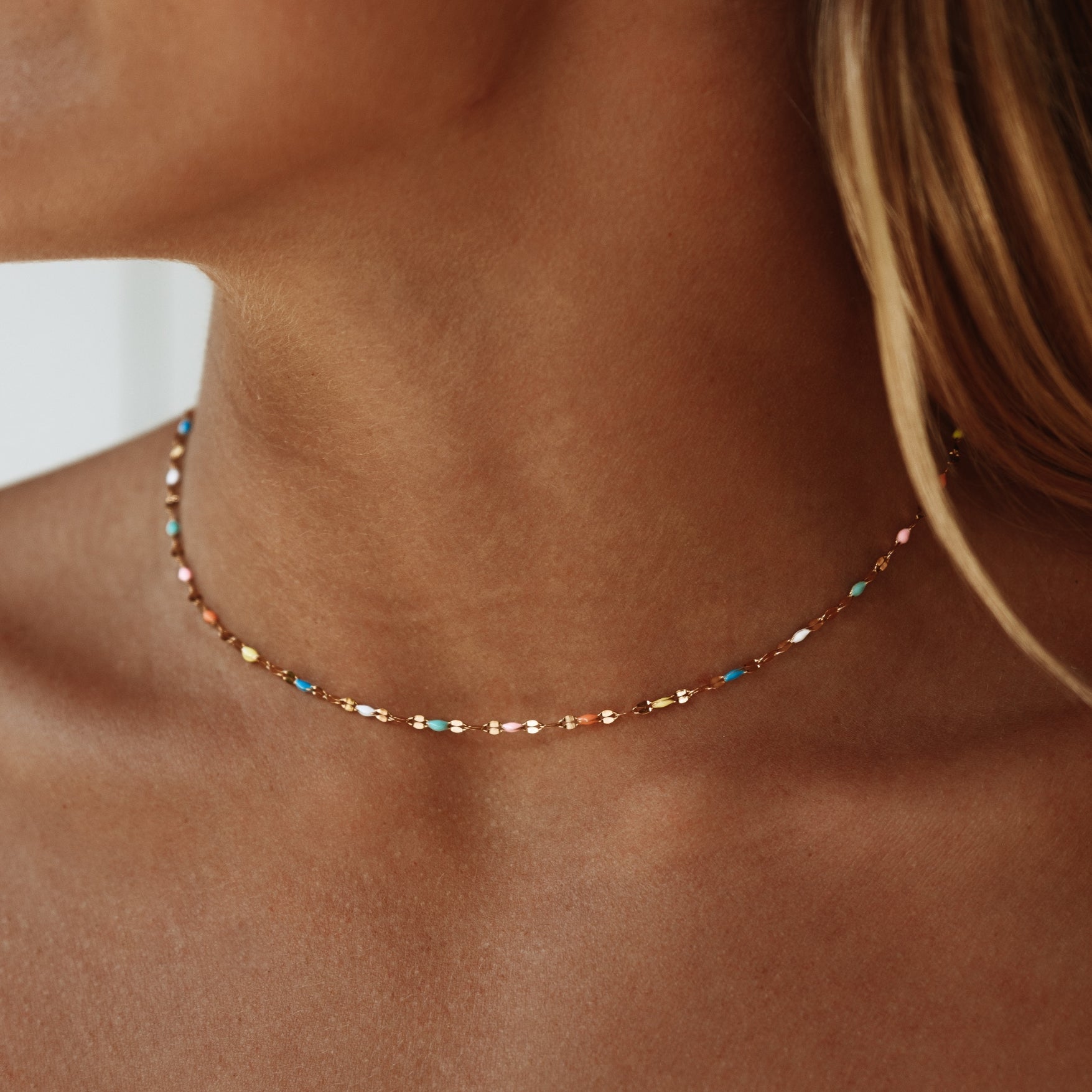
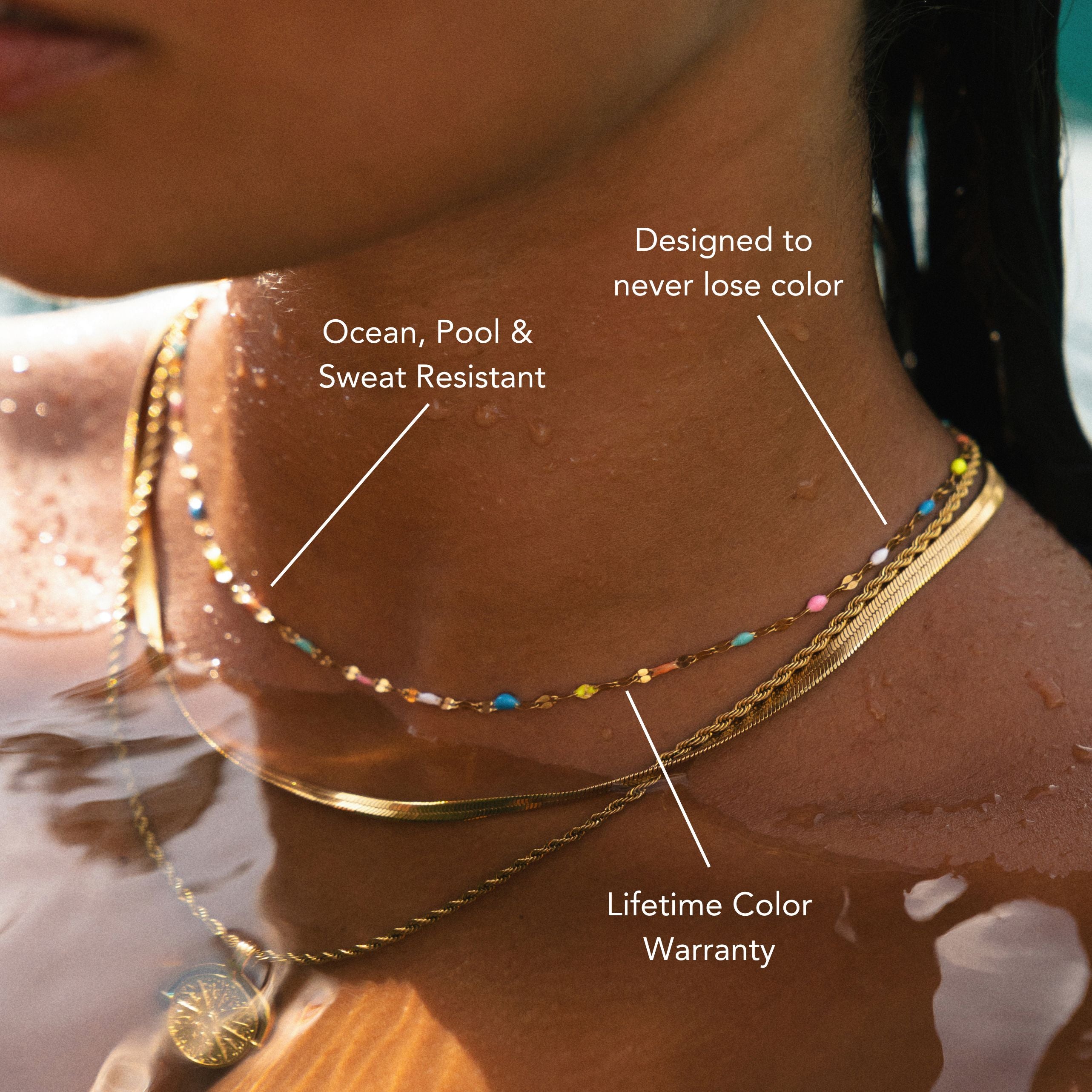
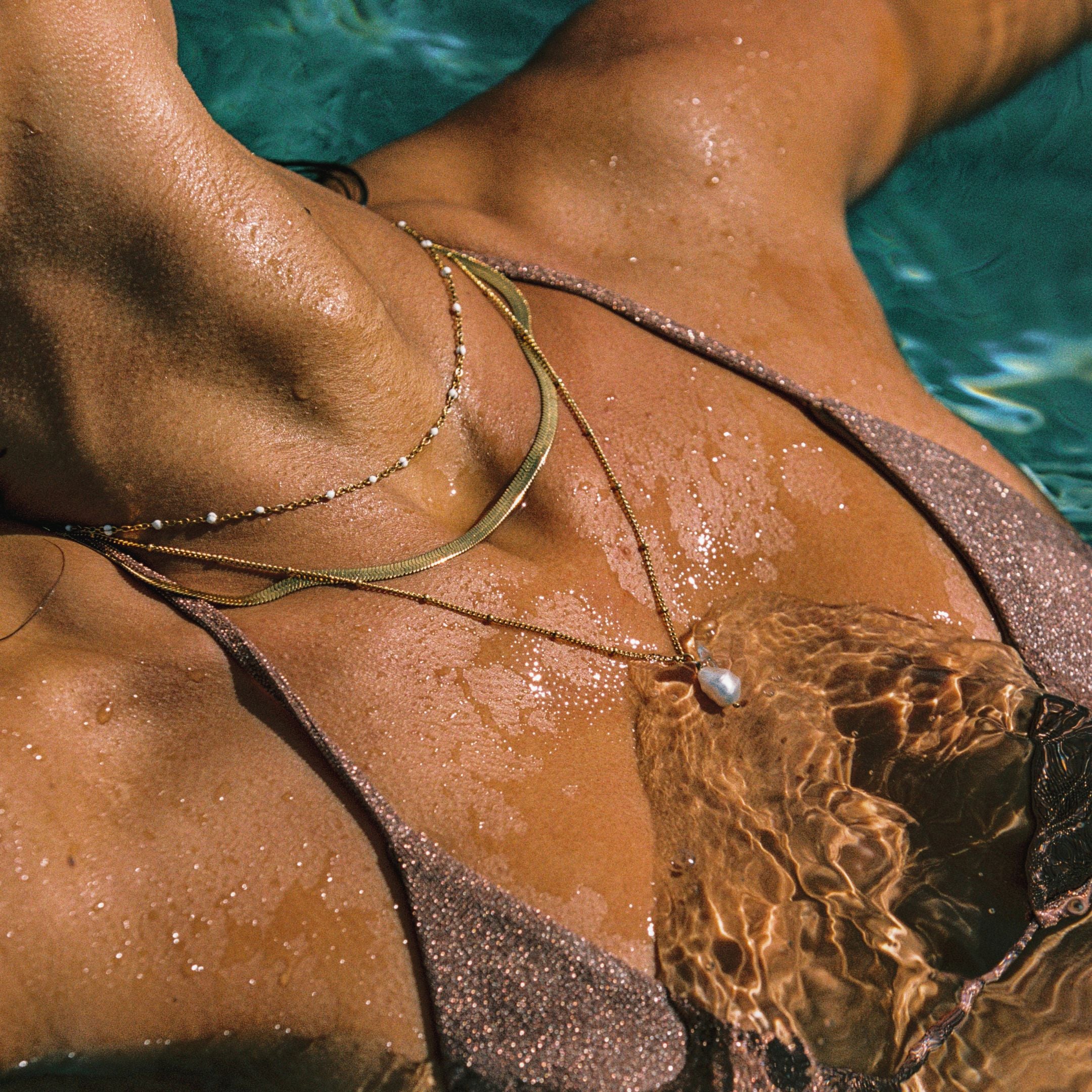
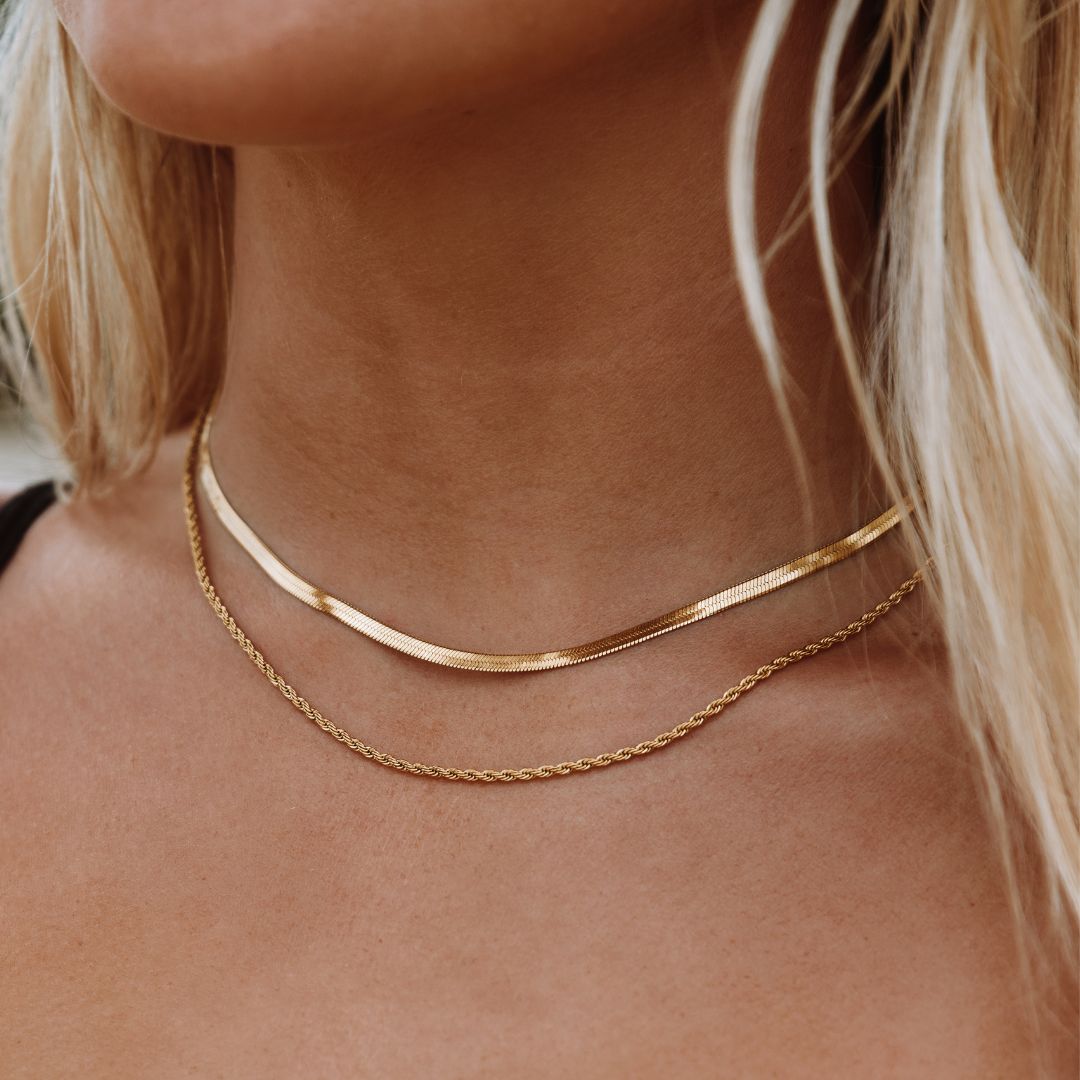
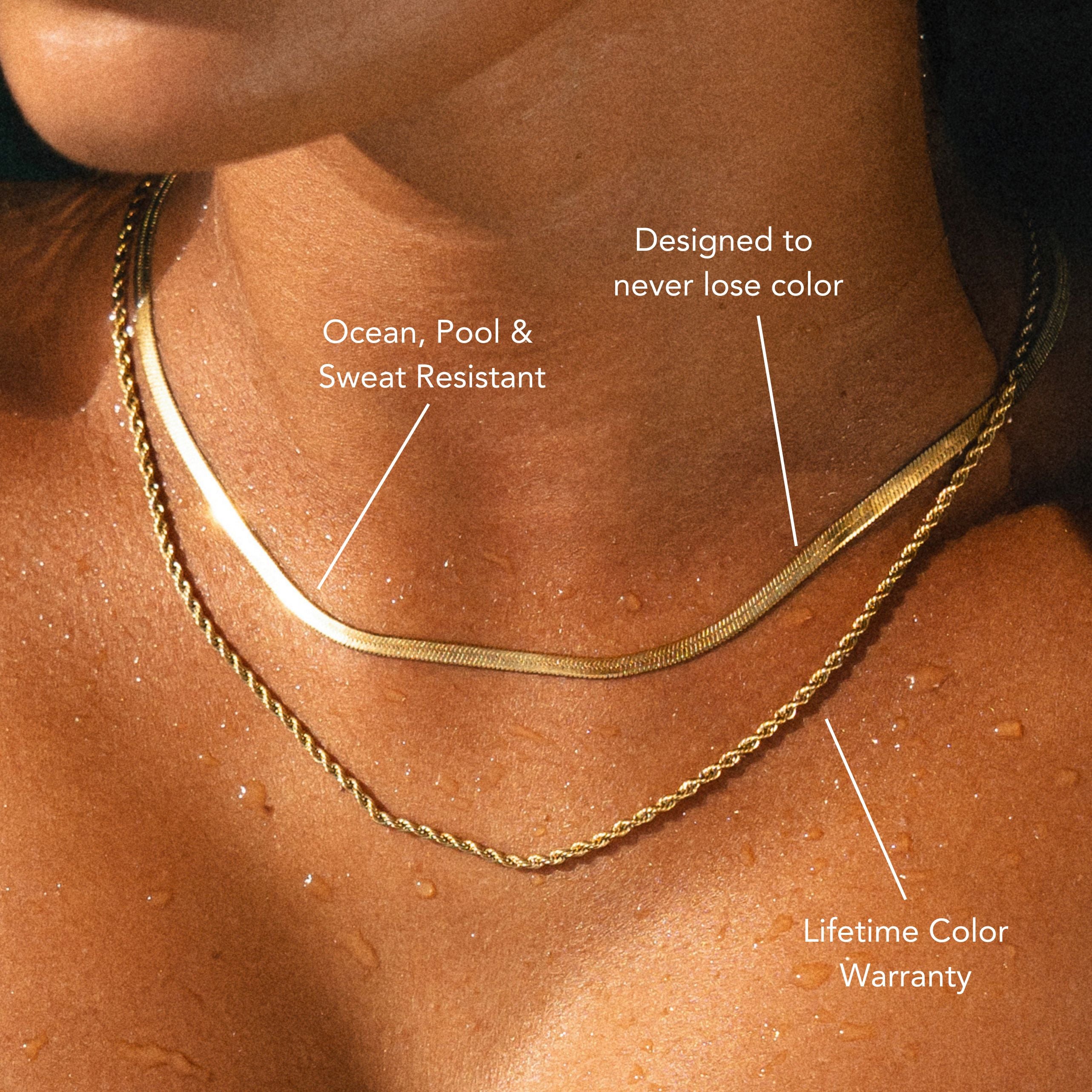
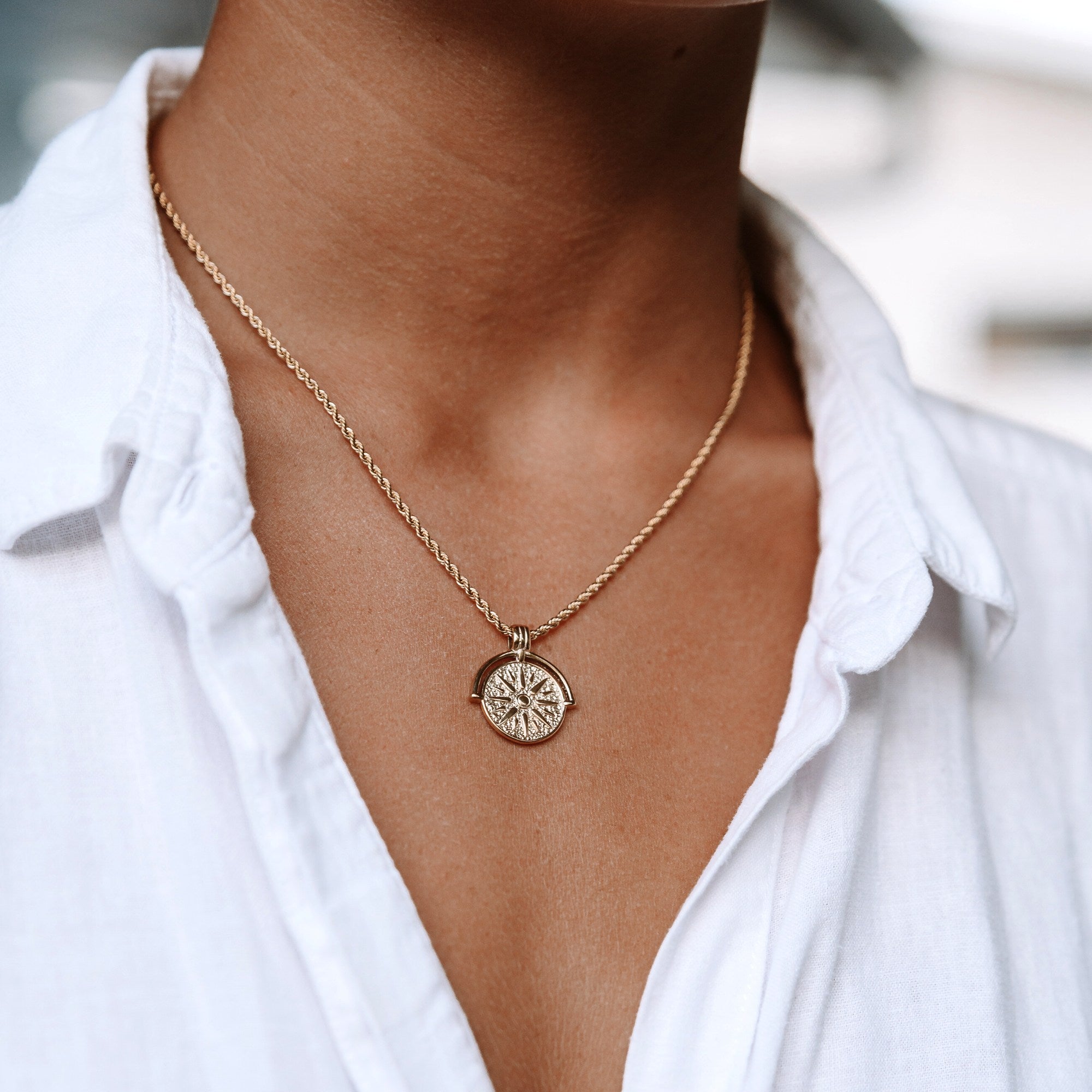
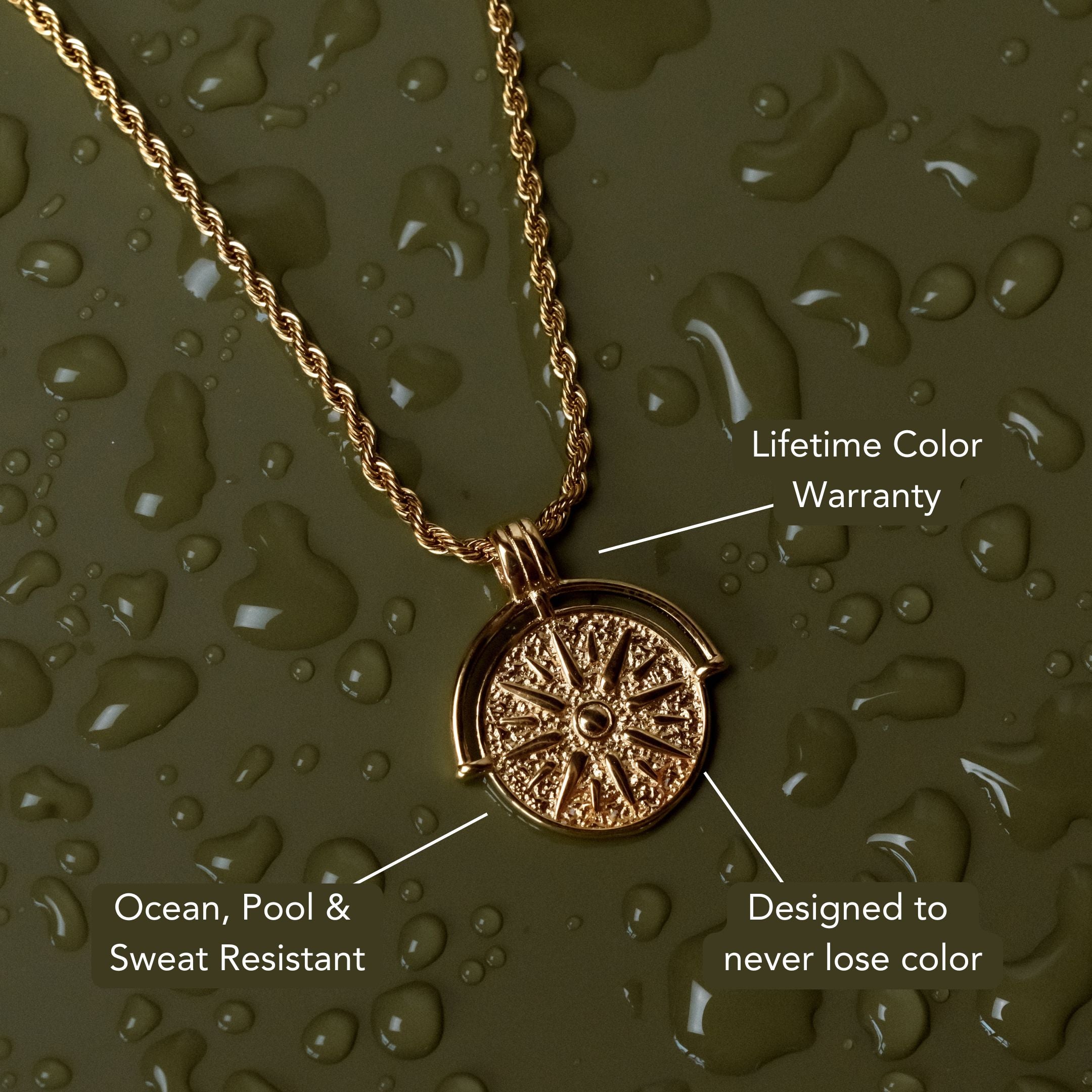
Beach and resort trips: For trips centered on outdoor activity, pool access, and coastal conditions, the necklaces themselves need to handle water exposure alongside the packing considerations. Waterproof necklaces in PVD-coated stainless steel construction can be worn from the hotel to the beach and back without removal, which reduces transit tangle risk by simply reducing the number of necklaces that need to be packed at all. ATOLEA's waterproof necklaces collection covers chain lengths and styles suited to beach and resort wear, with a lifetime color warranty on every piece ensuring the necklace holds its appearance through salt water, sunscreen, and active outdoor conditions.

Untangling a Necklace If It Does Tangle
Even with the best preparation, a tangle can occasionally develop. Untangling efficiently prevents the frustrated pulling that turns a minor tangle into a genuine knot.
Lay the tangled necklace flat on a hard, light-colored surface where you can see it clearly. Apply a small drop of baby oil or olive oil to the knot and allow it to sit for one to two minutes. The oil lubricates the links so they slide apart rather than tightening under pressure.
Use two fine-tipped implements, toothpicks or fine pins both work well, to gently separate the knot from two directions simultaneously rather than pulling from the ends of the chain. Work from the outermost visible loop inward, enlarging the loosest point of the knot progressively until the chain slides free.
Pulling from the chain ends almost always makes a knot tighter. Patience with the two-pin approach from the center of the knot resolves even tight tangles without damaging the chain.
Frequently Asked Questions
How do you pack necklaces so they do not tangle?
Thread each fine chain through its own drinking straw and close the clasp around the straw to keep the chain fully extended. Place each extended straw setup in an individual small zip-lock bag to prevent chains from catching on each other. For necklaces with pendants, lay them flat on a soft surface between clothing layers or use a jewelry roll with individual compartments.
What is the easiest way to travel with multiple necklaces?
A jewelry roll organizer with individual necklace loops or snap closures is the easiest method for multiple necklaces because it keeps every piece visible, organized, and separated without additional bags or household materials. For two to three necklaces, the straw-and-zip-lock method is equally effective and requires nothing more than items already in most kitchens.
Can you pack necklaces in a checked bag?
Yes. Place necklaces using the straw method or a jewelry roll between soft clothing layers in your checked bag. Checked luggage is generally more stable in orientation than carry-on bags, but vibration during loading still causes tangling if necklaces are loose and unseparated. A jewelry roll placed between folded clothing provides both organization and cushioning.
How do you untangle a necklace quickly?
Lay the necklace flat on a hard surface, apply a drop of baby oil to the knot, and use two toothpicks or fine pins to gently work the knot open from the center outward. Never pull from the chain ends, which tightens knots rather than loosening them. Most tangles resolve within two to three minutes using this approach.
What necklace styles travel best without tangling?
Shorter, sturdier chains with larger links tangle less readily than very fine chains because their links are less likely to interlock with each other during movement. Fine chains in the 0.8mm to 1mm gauge range are the most tangle-prone and benefit most from the straw method. Box chains travel slightly better than cable chains at the same gauge because their link geometry creates fewer catching points.
Arriving With Every Necklace Intact
How to travel with necklaces without tangling is straightforward once you address the two root causes: chain coiling and contact between chains. The straw method prevents coiling for fine chains. Individual bags or a jewelry roll prevent contact between chains. Combining both for fine chains in carry-on luggage gives you the most reliable protection across the most demanding travel conditions. For trips centered on beach, ocean, and active outdoor wear, choosing necklaces that can simply stay on through the entire trip removes the packing problem at its source.





コメントを書く
このサイトはhCaptchaによって保護されており、hCaptchaプライバシーポリシーおよび利用規約が適用されます。