


What Is the Difference Between Freshwater Pearls and Cultured Pearls: Complete Guide
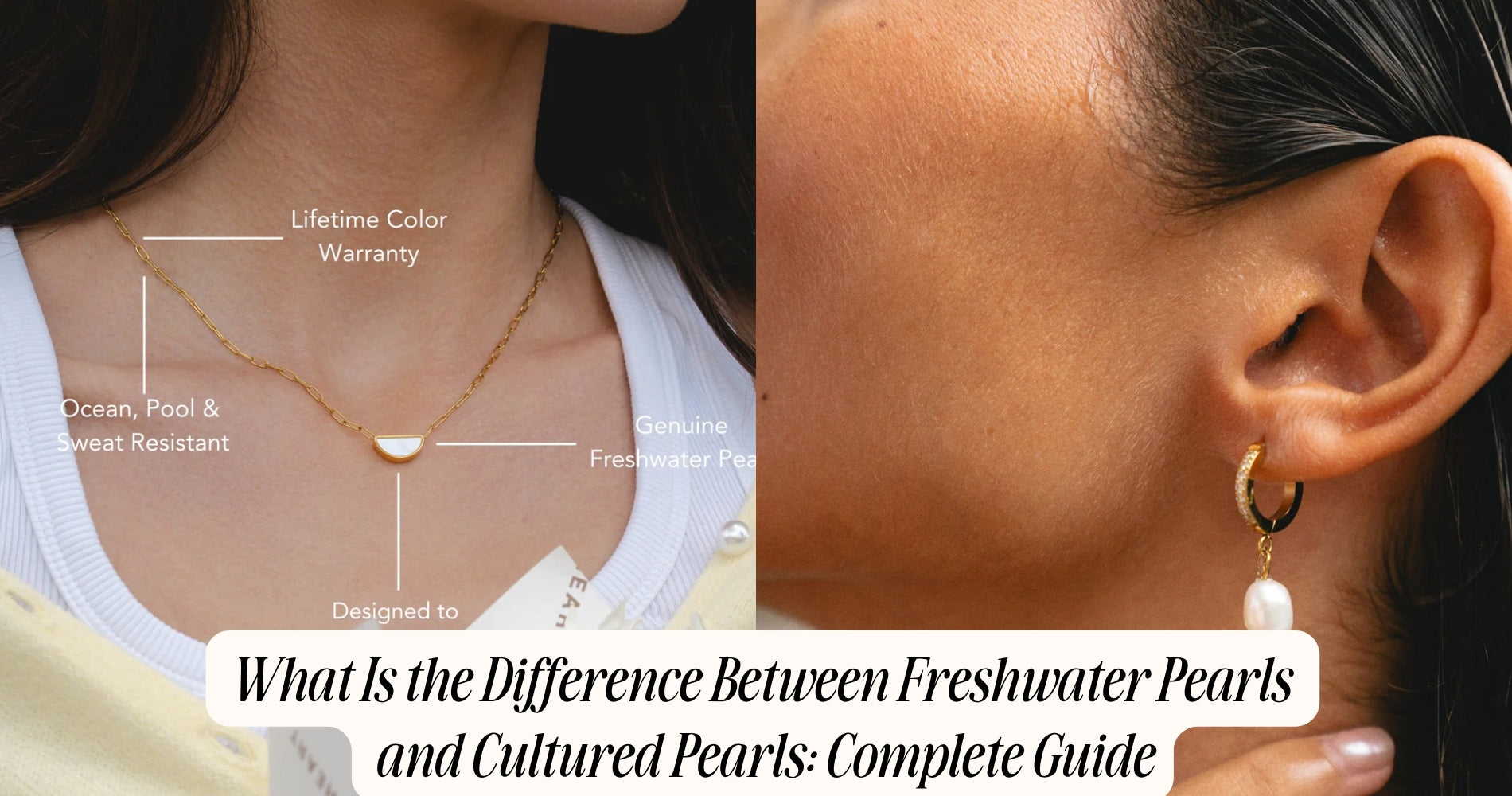
The question of what is the difference between freshwater pearls and cultured pearls comes up frequently, and it is worth addressing clearly because the terms are not actually opposites. Freshwater pearls are a type of cultured pearl. Understanding what each term means and where the real distinctions lie gives you a much more useful framework for pearl buying than most product descriptions provide. Freshwater Pearls Jewelry demonstrates how freshwater cultured pearls perform at their best. This guide explains the terminology, covers what actually separates different pearl types, and gives you the practical knowledge to evaluate any pearl purchase accurately.
The Terminology Problem: Why the Question Is Confusing
Most confusion around pearl terminology comes from the way the terms natural, cultured, freshwater, and saltwater are used inconsistently across jewelry marketing, retail descriptions, and casual conversation.
Here is the accurate framework:
Natural pearls form entirely without human involvement when an irritant enters a mollusk in the wild and the animal deposits nacre around it by chance. Natural pearls are extraordinarily rare today. Commercial natural pearl fisheries have been almost entirely depleted. The overwhelming majority of pearls sold anywhere in the world, at every price point, are cultured pearls.
Cultured pearls form when a pearl farmer deliberately introduces an irritant into a live mollusk and allows the animal to deposit nacre around it over a growing period. The nacre is genuine, the biological process is identical to natural pearl formation, and the resulting pearl is a real pearl. The cultured designation simply indicates that a human initiated the process rather than it happening by chance.
Freshwater pearls describe where the mollusk lives: rivers, lakes, and ponds rather than ocean environments. Almost all freshwater pearls on the market are cultured.

Saltwater pearls describe where the mollusk lives: ocean environments. The major saltwater cultured pearl types are Akoya (primarily Japan and China), Tahitian (French Polynesia), and South Sea (Australia, Indonesia, and the Philippines). Almost all saltwater pearls on the market are also cultured.
So the accurate answer to the question is: freshwater pearls are cultured pearls, just grown in a different environment using different mollusk species. The meaningful comparisons are natural versus cultured, and freshwater cultured versus saltwater cultured.
Natural Pearls vs Cultured Pearls: The Actual Distinction
Since virtually every pearl sold today is cultured, the natural versus cultured comparison is primarily relevant for estate jewelry, collector pieces, and historical context rather than for current retail purchases.
Natural pearls are formed by chance without nucleus implantation. They are entirely nacre from core to surface, formed around a microscopic natural irritant. Because of their geological rarity, even a single strand of natural pearls can sell at auction for hundreds of thousands of dollars. A reputable gemological laboratory certificate, such as from the GIA, is the only reliable way to verify a pearl as natural rather than cultured.

Cultured pearls are initiated by implanting either a bead nucleus plus donor mantle tissue (typical for saltwater cultured pearls) or donor mantle tissue alone (typical for freshwater cultured pearls) into the host mollusk. The nacre deposited by the mollusk around this implant is genuine nacre, identical in composition and formation to natural pearl nacre. The biological distinction is how the process started, not what the pearl is made of.
For practical jewelry buying today, the natural versus cultured distinction is rarely the relevant question because virtually everything in the market is cultured. The question that matters most is freshwater cultured versus saltwater cultured.
Freshwater Cultured Pearls vs Saltwater Cultured Pearls: The Meaningful Comparison
This is where the real practical differences lie for most buyers.
Freshwater cultured pearls are grown in freshwater mussels, primarily in China. The nucleation process typically uses only a small piece of donor mantle tissue without a bead, which means nacre deposits around the tissue graft rather than around a large sphere. The result is a pearl that is solid nacre throughout, with nacre comprising nearly the entire pearl rather than a thin coating over a large nucleus.

Saltwater cultured pearls are grown in oysters in ocean environments. They are typically bead-nucleated: a round sphere cut from another mollusk's shell is implanted alongside donor mantle tissue. Nacre deposits over this round bead, producing a rounder shape more consistently than tissue-only nucleation. However, the nacre layer is a coating over the bead rather than the entire pearl structure.
This structural difference produces meaningful practical distinctions in luster quality, durability, shape, and price.
Key Differences Between Freshwater and Saltwater Cultured Pearls
Nacre composition and thickness: Freshwater pearls are solid nacre throughout. Saltwater Akoya pearls may have a nacre layer as thin as 0.3mm over a large bead nucleus. Thick nacre in freshwater pearls means the luster goes all the way through the pearl rather than being a surface phenomenon over a different material.
Luster quality: Akoya saltwater pearls are specifically known for a mirror-bright, highly reflective luster that is sharper and more intense than the softer, more diffuse luster of freshwater pearls. The difference is real but requires direct side-by-side comparison to perceive clearly at comparable quality grades.
Shape: Bead nucleation in saltwater pearls provides a spherical template that produces rounder shapes more consistently. Freshwater tissue-nucleated pearls historically produced more irregular shapes, though modern freshwater farming has significantly improved shape control. Top-grade round freshwater pearls are now widely available and difficult to distinguish from comparable Akoya pearls without gemological testing.
Color range: Freshwater pearls occur naturally in a wider range of body colors including white, cream, pink, lavender, and peach. Akoya pearls tend toward white and cream with silver or pink overtones. Tahitian pearls are the only naturally dark pearl type. South Sea pearls range from white through gold.
Price: Freshwater cultured pearls are the most accessible genuine pearl option in the market because China's large-scale production and tissue-only nucleation allow higher yield per mollusk than saltwater farming. High-grade freshwater pearls offer genuine pearl quality at a fraction of the cost of comparable Akoya pearls.

Freshwater vs Saltwater Cultured Pearl Comparison
| Factor | Freshwater Cultured | Akoya Saltwater | Tahitian Saltwater | South Sea Saltwater |
|---|---|---|---|---|
| Environment | Freshwater mussels | Saltwater oysters | Saltwater oysters | Saltwater oysters |
| Nacre structure | Solid nacre throughout | Nacre over bead nucleus | Nacre over bead nucleus | Nacre over bead nucleus |
| Typical size | 5 to 12mm | 5 to 9mm | 8 to 16mm | 10 to 20mm |
| Natural colors | White, cream, pink, lavender, peach | White, cream, silver | Dark, green, peacock | White, silver, gold |
| Luster type | Soft, diffuse | Mirror-bright | Deep, satiny | Deep, satiny |
| Price range | Accessible | Moderate to high | High | Very high |
| Nacre thickness | Entire pearl | 0.3 to 0.8mm layer | Substantial layer | Very thick layer |
How to Evaluate Any Pearl Purchase
Whether you are looking at freshwater or saltwater cultured pearls, the same quality factors determine value.
Luster is the most important single factor. A pearl with strong, deep luster at any type level is more valuable than a large, round pearl with dull, chalky luster. Luster indicates the quality and regularity of nacre deposition. Evaluate luster in natural or daylight-equivalent lighting by looking for a reflection with visible depth rather than a flat surface sheen.
Surface quality refers to natural blemishes including pits, bumps, and scratches. Minor surface imperfections are normal and expected in natural materials. Clean or near-clean surfaces command premiums across all pearl types.
Shape ranges from round and near-round at the highest price through oval, button, drop, and baroque at lower price points. Baroque and irregular shapes are not defects but different aesthetic options with their own value within the pearl market.
Size scales price within any type. Larger pearls require more time in the water and are naturally rarer.
Matching for strands and earring pairs adds significant value because selecting well-matched pairs requires choosing from a much larger pool of individual pearls.
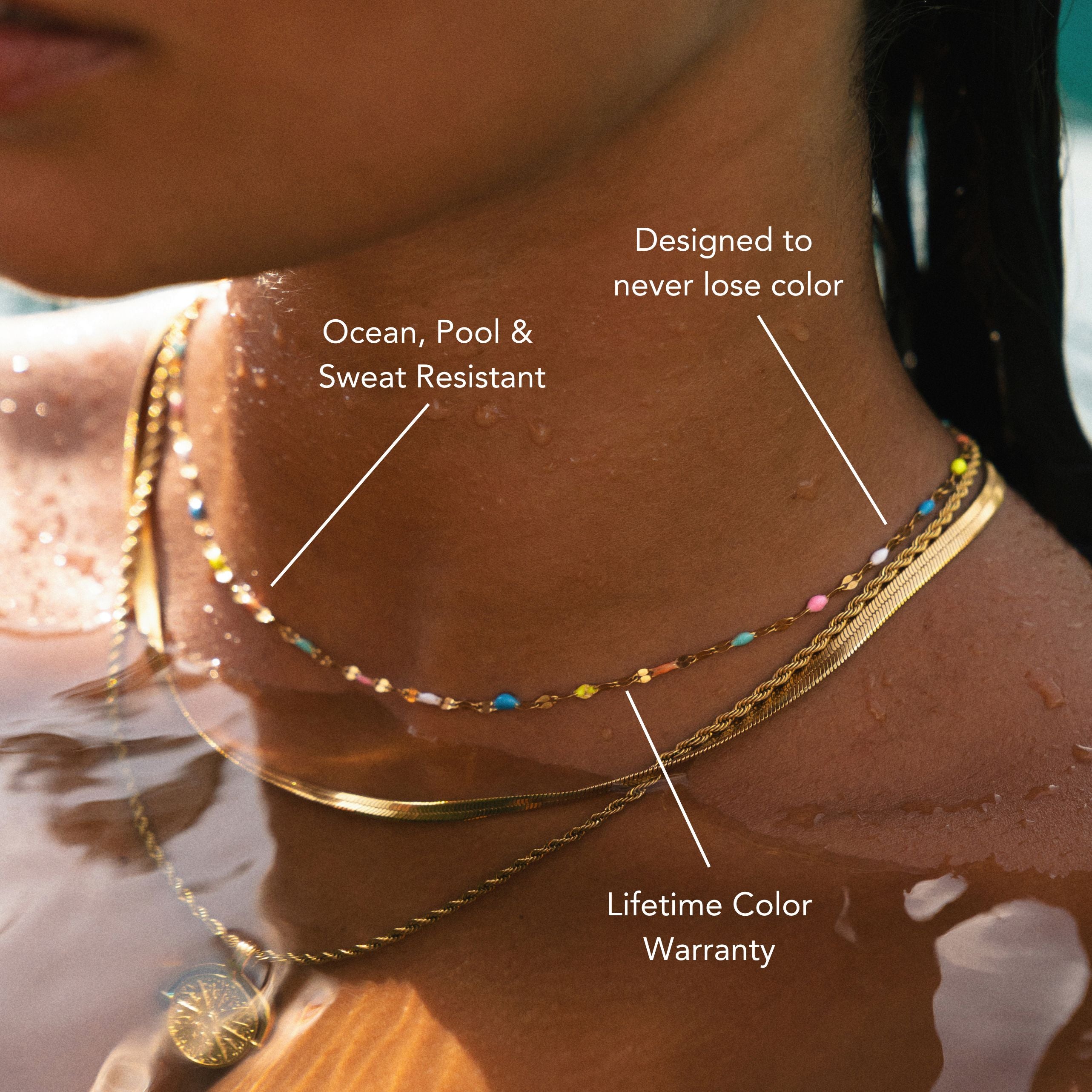
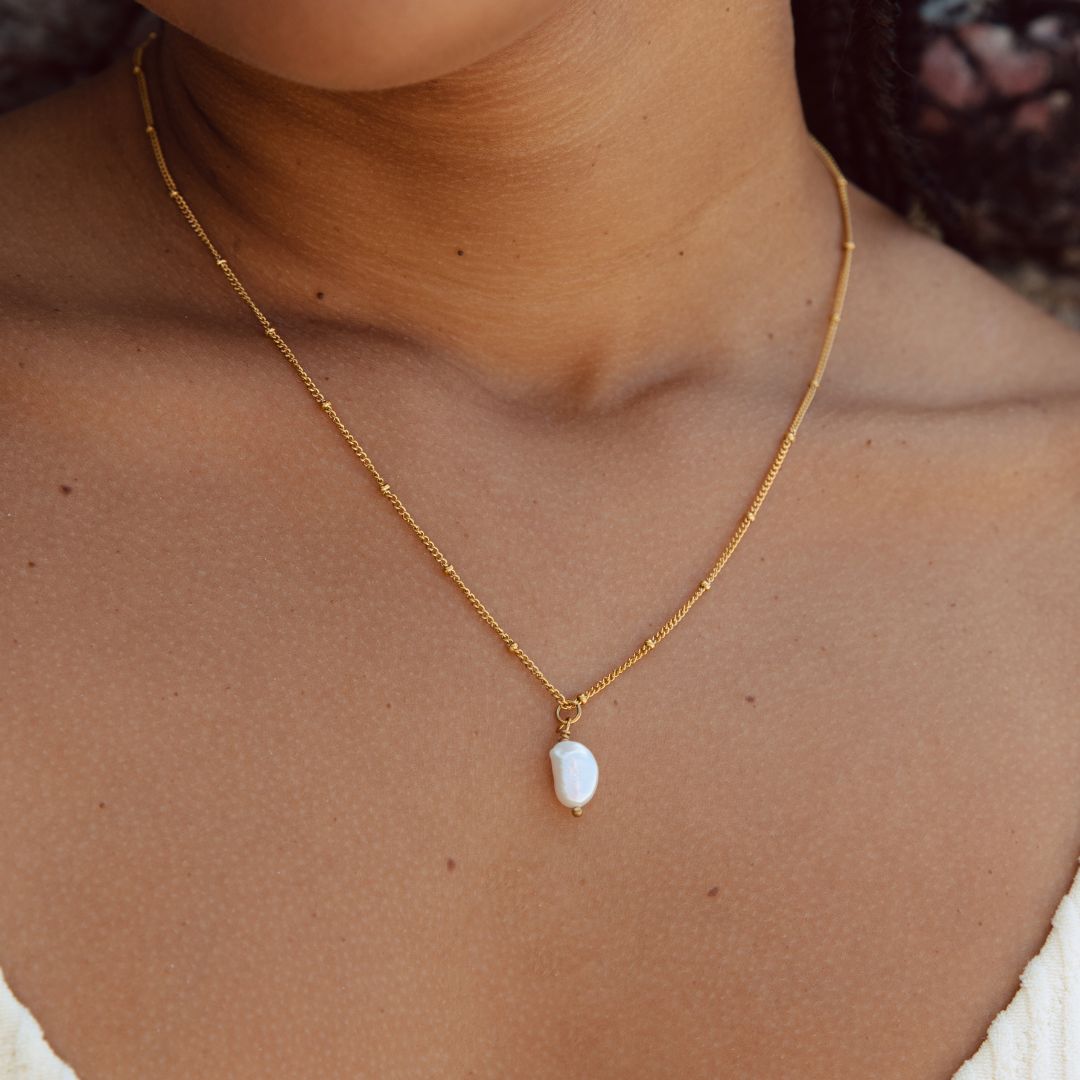
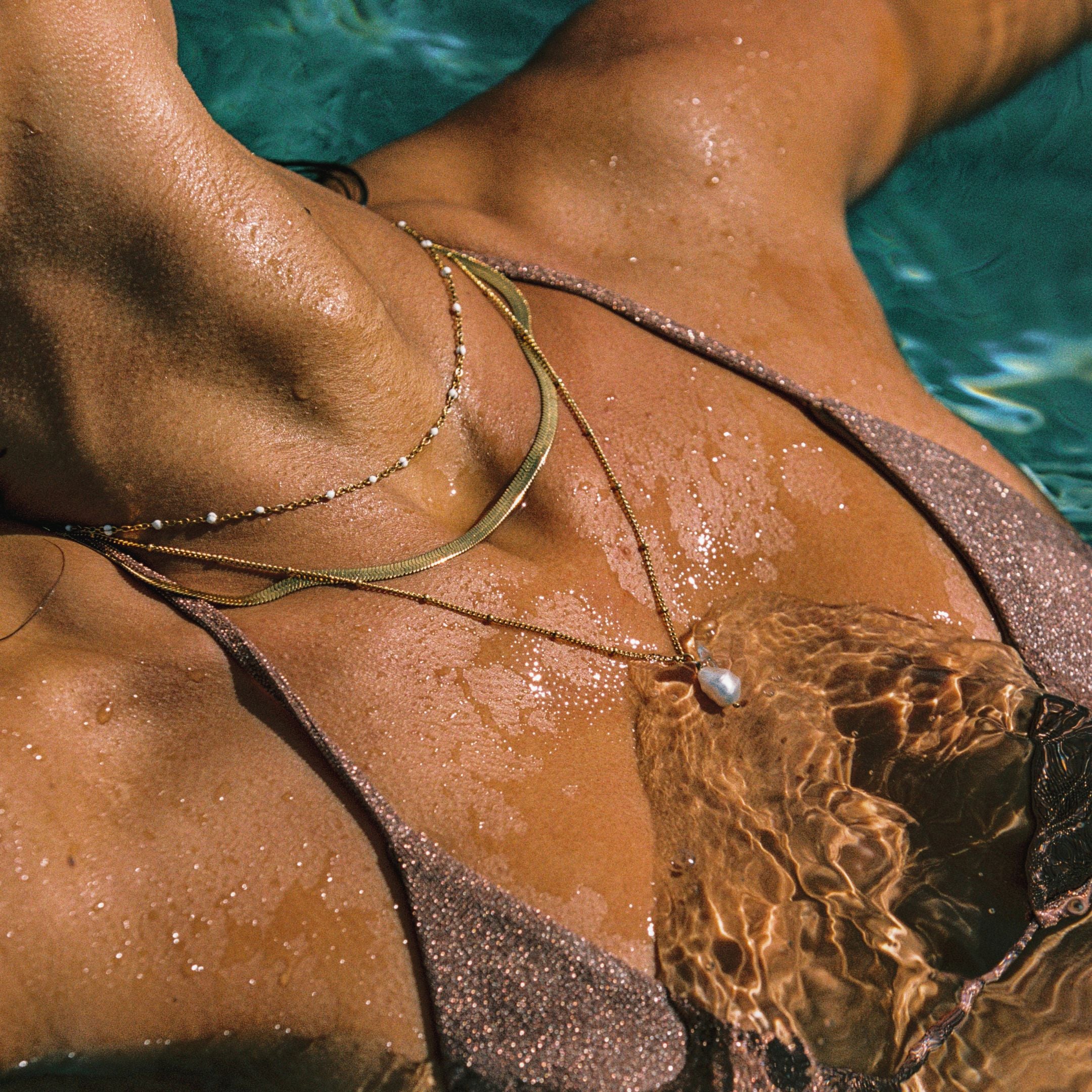
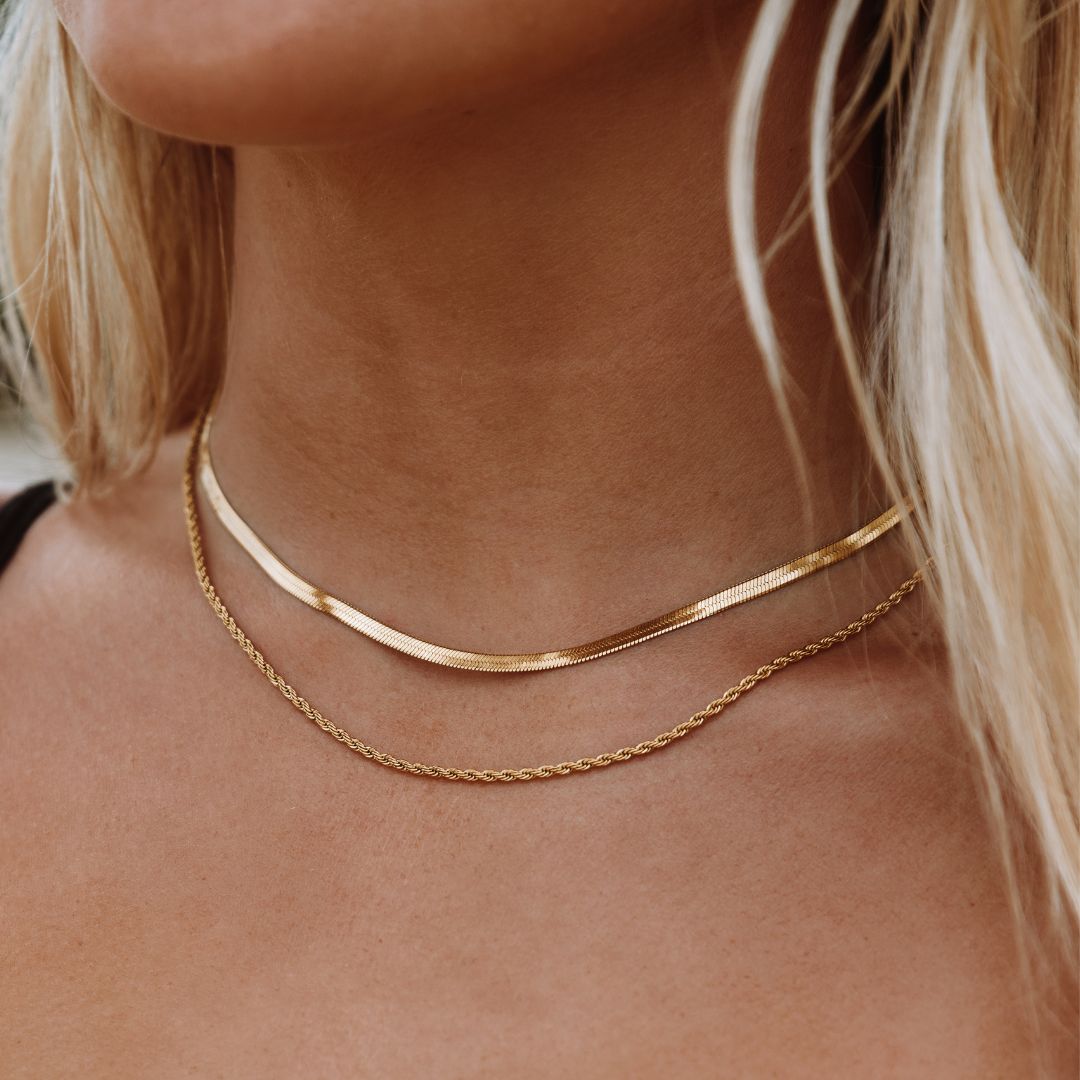
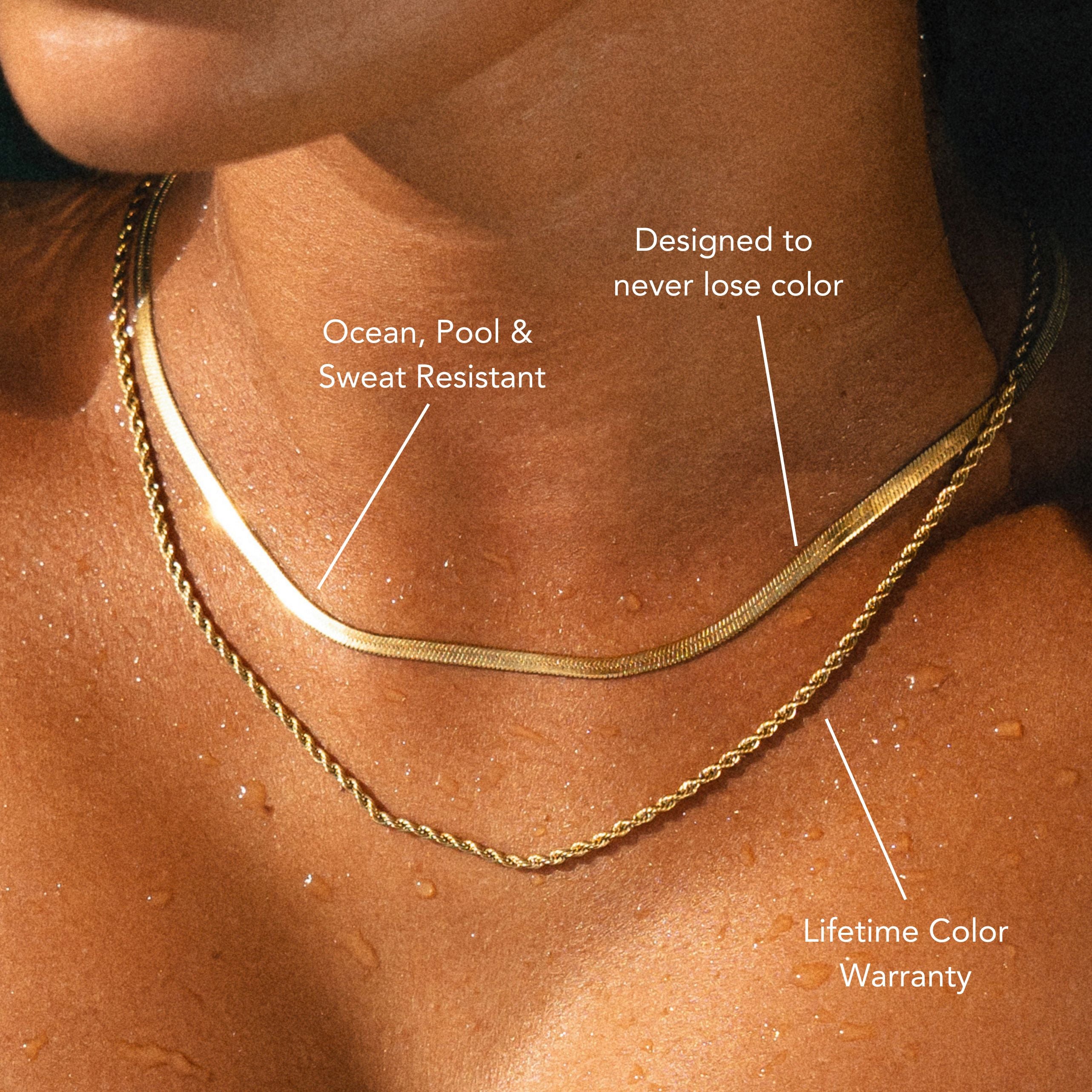
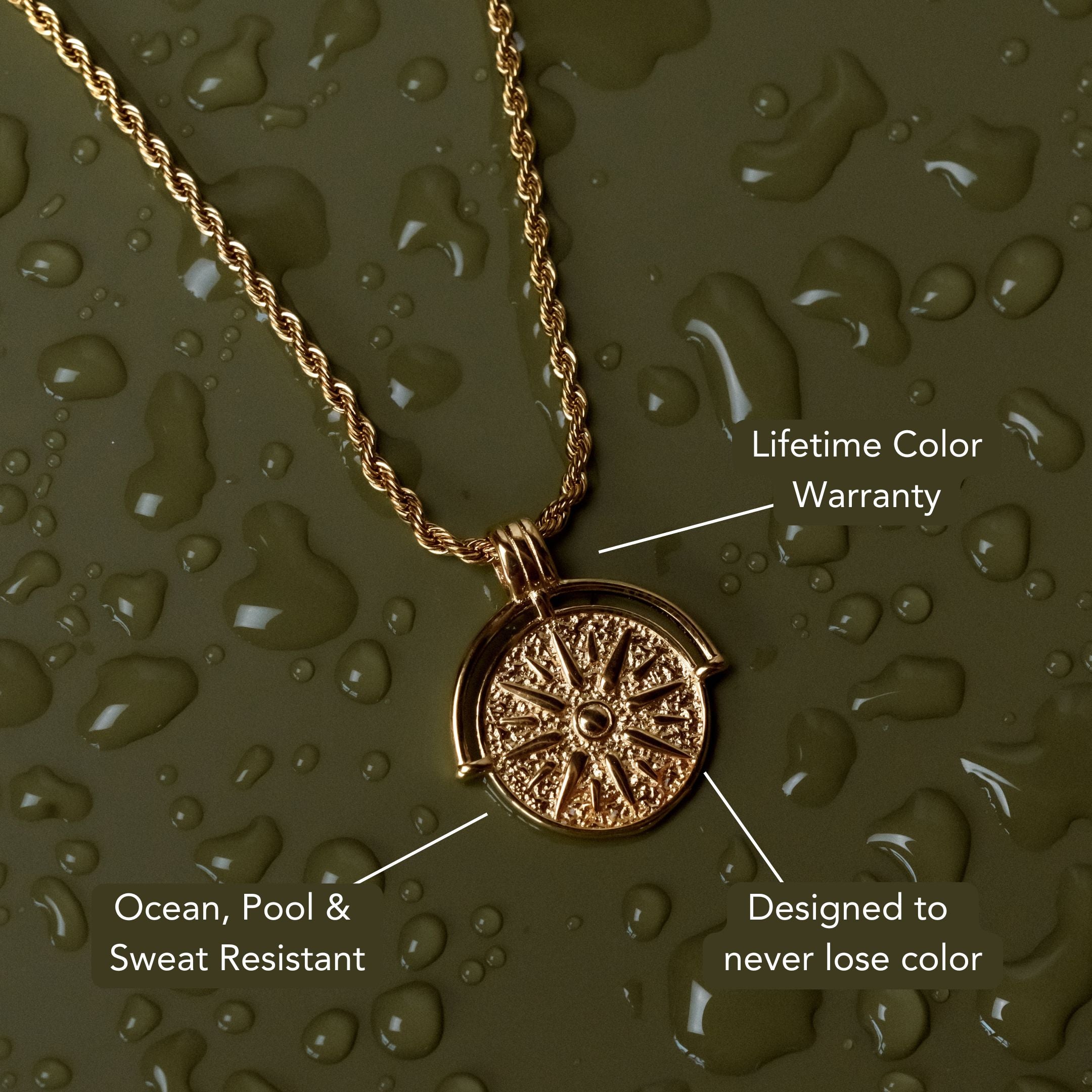
For jewelry where pearl components are combined with metal settings, the setting material affects how consistently the piece ages. PVD-coated stainless steel settings hold their finish through daily wear without tarnishing around the pearl, which keeps both the metal and the nacre looking consistent over time. ATOLEA's freshwater pearl collection uses that construction with a lifetime color warranty on the metal elements of every piece.

Frequently Asked Questions
Are freshwater pearls the same as cultured pearls?
Freshwater pearls are a type of cultured pearl, not a separate category. Almost all freshwater pearls sold today are cultured, meaning a pearl farmer introduced the irritant that started nacre deposition. The word cultured describes how pearls were initiated (by humans rather than by chance) and applies to freshwater and saltwater pearls alike.
Which is better, freshwater or cultured pearls?
Since freshwater pearls are a type of cultured pearl, this question effectively asks whether freshwater or saltwater cultured pearls are better. The answer depends on the quality grade and specific characteristics of the individual pearls being compared. Top-grade freshwater pearls with solid nacre structure and strong luster offer excellent pearl quality at lower prices than comparable saltwater alternatives. Saltwater Akoya pearls produce a specific mirror-bright luster that freshwater pearls do not replicate at the same intensity, which is why they command higher prices.
Are cultured pearls fake?
No. Cultured pearls are genuine pearls made of real nacre through the same biological process as natural pearls. The distinction is that a pearl farmer introduced the irritant rather than it occurring by chance. Every major gemological institution including the GIA classifies cultured pearls as authentic pearls requiring disclosure of their cultured status, not as imitations.
How can I tell freshwater from saltwater pearls?
Without gemological testing, the most reliable visual indicator is luster quality. Akoya saltwater pearls typically show a sharper, more mirror-like luster than freshwater pearls. Freshwater pearls often show a softer, more diffuse glow. Color range is another indicator: lavender and peach body colors occur in freshwater pearls but not in Akoya saltwater pearls. Professional gemological laboratories can determine origin conclusively through testing.
Why are freshwater pearls less expensive than saltwater pearls?
Freshwater mussels can produce 20 to 50 pearls per harvest cycle compared to one pearl per saltwater oyster. This much higher yield per mollusk allows freshwater pearl farming to operate at a scale that drives down per-pearl cost. The price difference reflects production economics rather than any inherent inferiority in the pearl material itself, which in freshwater pearls is solid nacre throughout rather than a coating over a bead.
Understanding Pearl Terminology Clearly
What is the difference between freshwater pearls and cultured pearls resolves cleanly once the terminology is established: freshwater pearls are cultured pearls, not a separate category. The meaningful distinction is between natural pearls (formed without human intervention and extremely rare) and cultured pearls (the overwhelming majority of the market), and within cultured pearls between freshwater types (solid nacre, accessible pricing, wide color range) and saltwater types (bead-nucleated, higher pricing, mirror-bright Akoya luster and the dark natural colors of Tahitian pearls). Quality evaluation within either category follows the same criteria: luster, surface, shape, size, and matching.






Leave a comment
This site is protected by hCaptcha and the hCaptcha Privacy Policy and Terms of Service apply.