


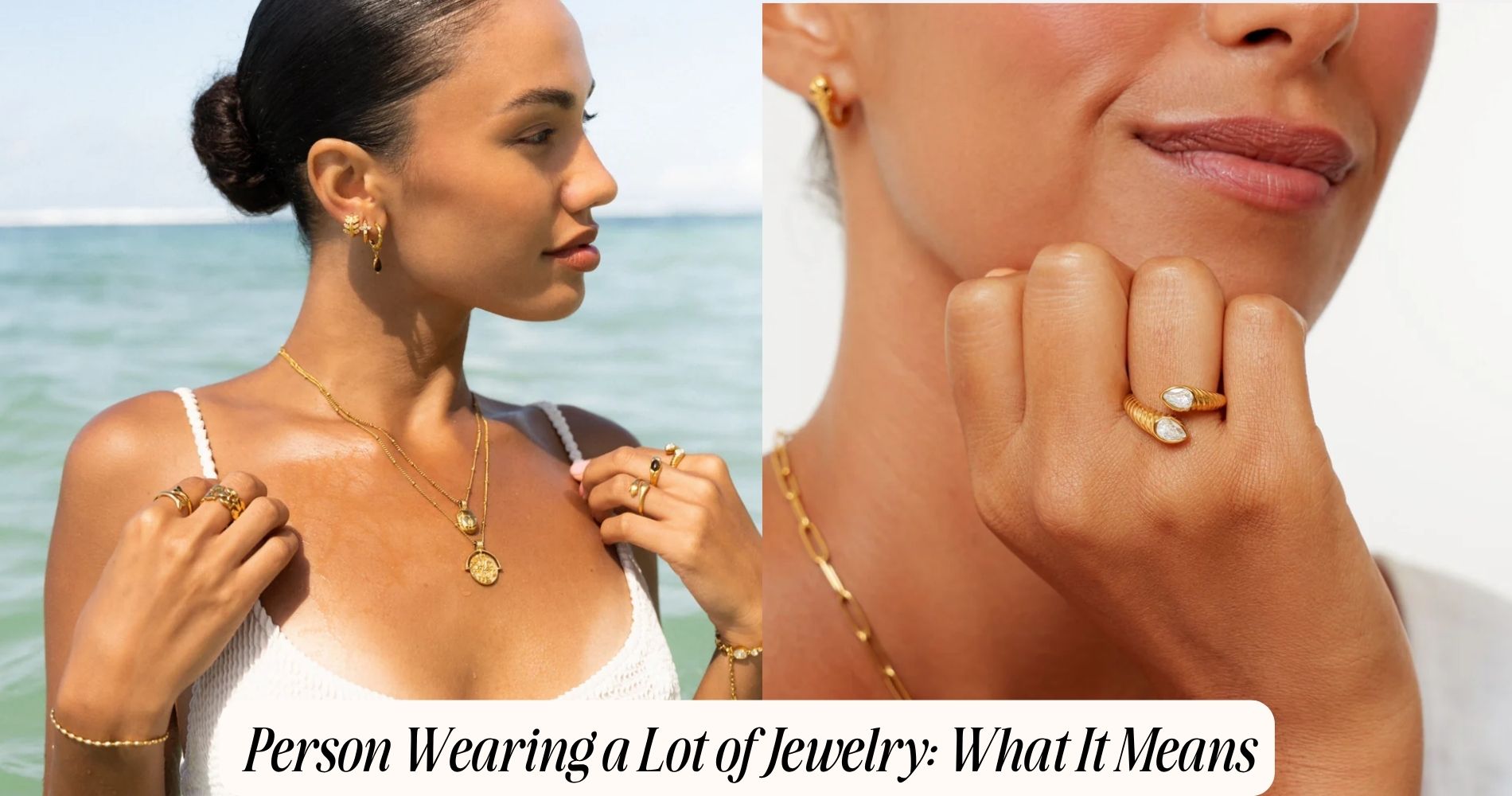
Person Wearing a Lot of Jewelry: What It Means
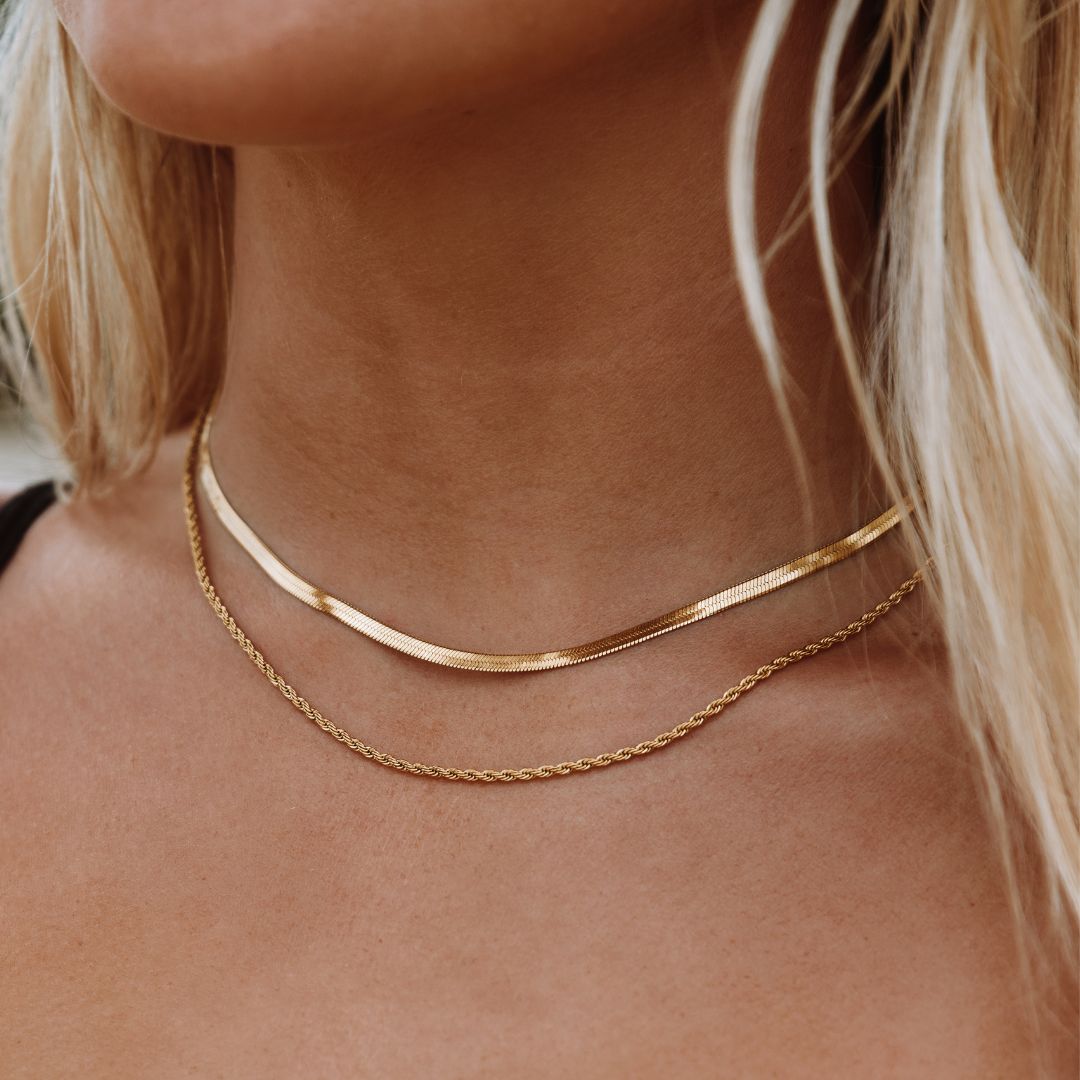
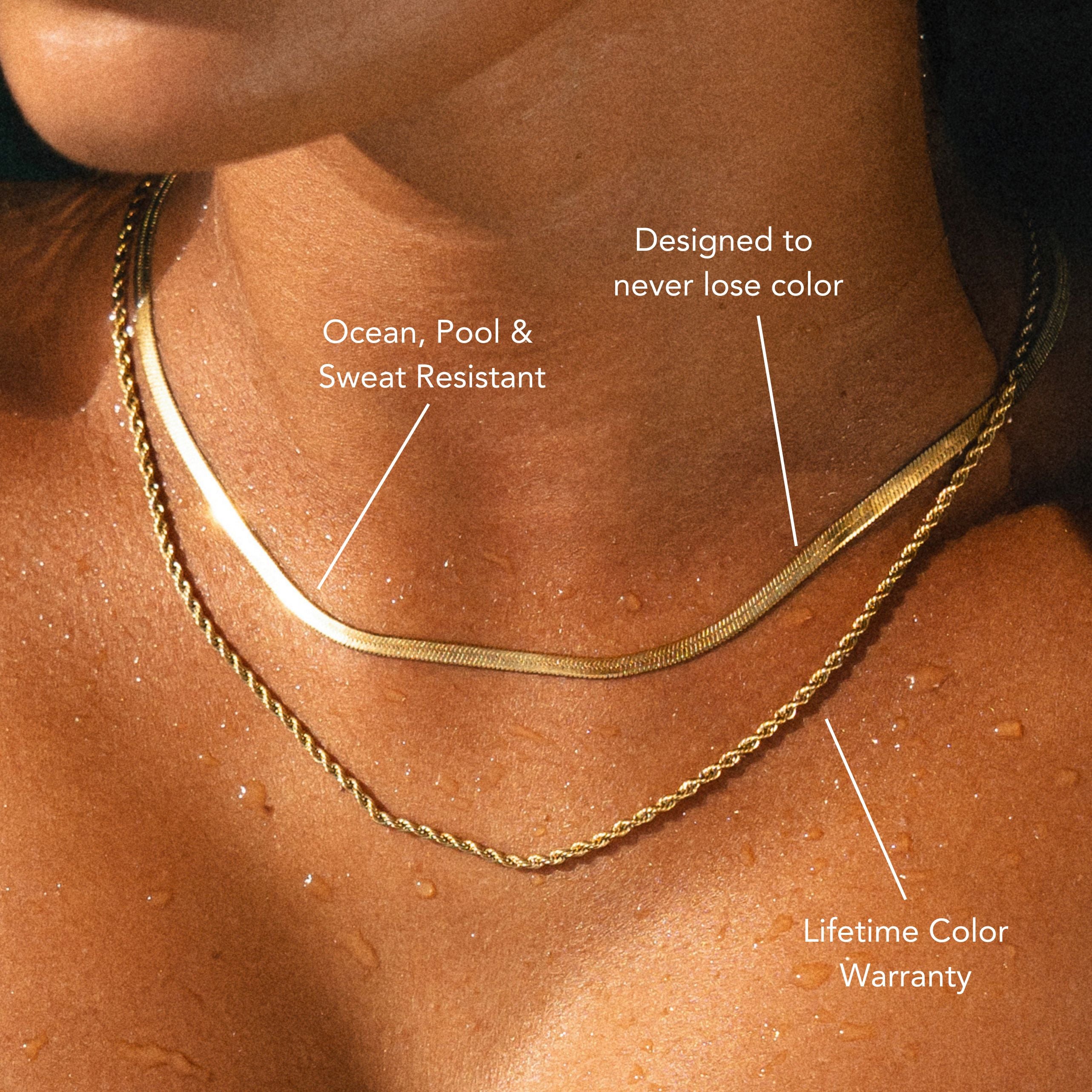
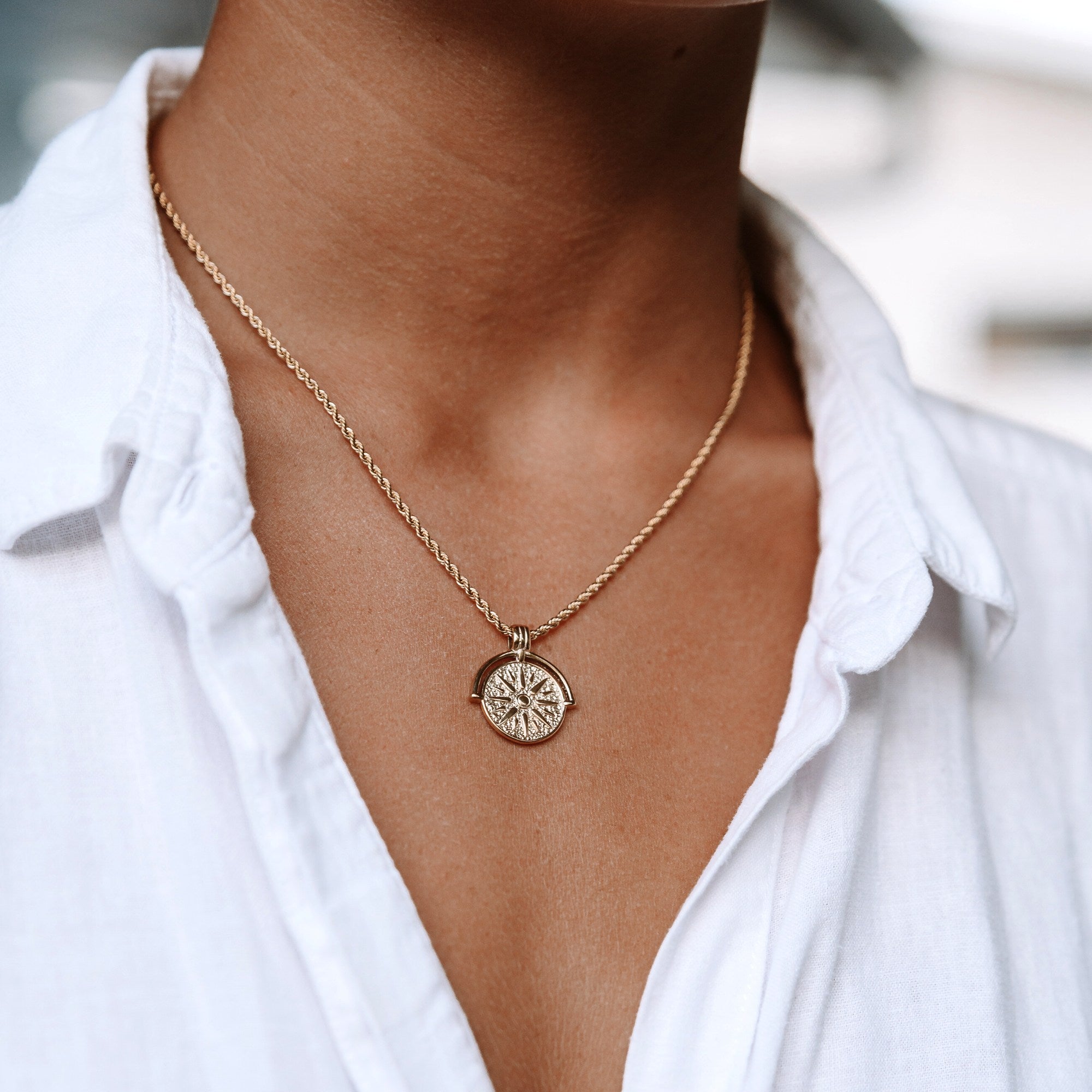
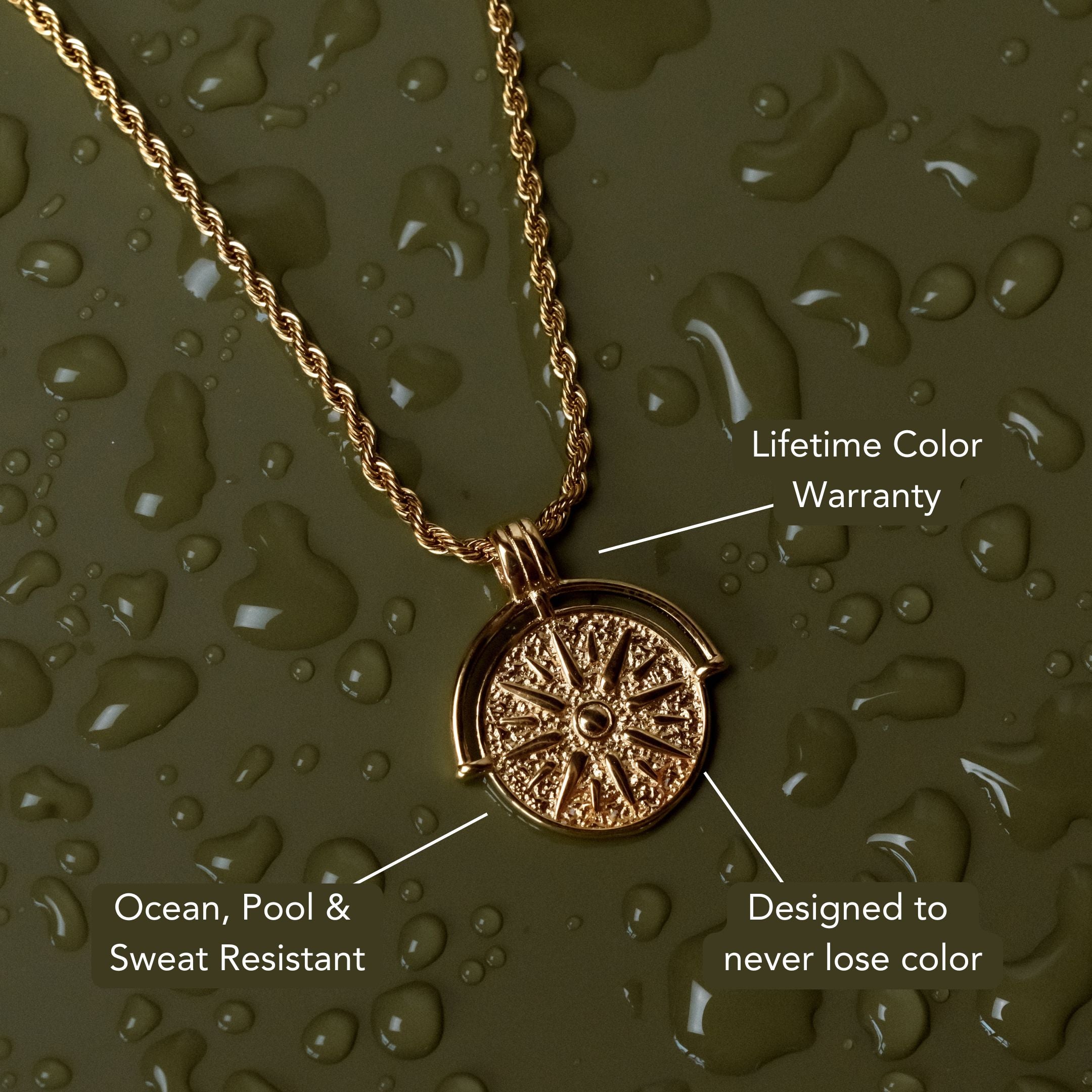
Understanding a person wearing a lot of jewelry goes beyond surface style—it often reflects identity, status, or a personal story. The same layered rings, chains, or bold watches can signal heritage, cultural affiliation, or simply a desire for self-expression and confidence. In some cases, oversized pieces emphasize visibility and presence, while stacked or layered items may hold sentimental or symbolic meaning. Context, setting, and how others respond can all offer clues, helping you better interpret what a person wearing a lot of jewelry is communicating through their style choices—modern, durable pieces like those in the Waterproof Jewelry collection make everyday layering easier and more practical.
Top Reasons People Wear Heavy Jewelry
When you see someone layered in heavy necklaces and rings, you're witnessing a mix of identity, status, and personal taste at work.
You notice how heavy metal pieces signal a subcultural alignment—punk, goth, or rocker—while other chunky styles respond to shifting fashion trends.
You read intentionality in scale: oversized chains can amplify confidence, conceal vulnerability, or complete an outfit that demands presence.
You consider practical motives too—heirlooms worn for memory, talismans for protection, or statement pieces that mark life events.
You weigh aesthetic choice against context; what’s bold on a night out might feel performative at work.
You analyze how layering creates narrative, using texture and contrast to communicate without words, precise and deliberate in effect.

Heavy Jewelry as Status and Wealth Signals
Layering can tell you about taste and subculture, but heavy jewelry often speaks more loudly about position and possession: oversized chains, stacked rings, and gem-encrusted watches broadcast economic means and social standing in ways subtle accessories rarely do.
You notice status symbolism immediately when pieces exceed functional needs and prioritize visibility; that wealth display signals membership in wealthier circles and negotiates access.
Observing how others react reveals power dynamics: deference, envy, or distance. In context, such ornamentation functions as a fashion statement and as shorthand for luxury perception, compressing complex socioeconomic cues into a wearable code.
Analytically, you can read these cues alongside consumption patterns and public behavior to interpret intent without assuming identity or deeper cultural significance.
Identity, Culture, and Symbolic Meanings of Heavy Adornment
Adornment often does more than announce wealth; it maps identity and belonging, signaling affiliations, histories, and values that you and others read at a glance.
You’ll notice heavy adornment carries cultural significance beyond ornamentation: it encodes historical context and spiritual beliefs tied to community rites.
As you observe, pieces function as personal expression and social identity markers, broadcasting lineage, profession, or protest.
Look for artistic representation in motifs and craftsmanship that link individual taste to collective memory.
You’ll also want to reflect on psychological impact—how wearing many pieces shapes confidence and perceived authority.
Finally, don’t ignore shifting fashion trends that reinterpret traditional symbols, letting you negotiate continuity and change while communicating who you're within a culture.

How Context Changes Jewelry’s Meaning
Because the same necklace or stack of rings can read completely differently across settings, you need to pay attention to context to understand what jewelry is actually saying.
You notice how cultural significance shifts meaning: a pendant tied to historical context signals heritage, while the same shape on a runway follows fashion trends.
Social perception alters interpretation too; in a workplace heavy adornment might be read as personal expression or as a breach of norms.
Emotional connection changes weight—heirlooms convey intimacy, costume pieces suggest aesthetic choices.
You evaluate identity representation by noting who wears what, where, and why.
Decode Rings, Chains, Watches, and Stacked Jewelry
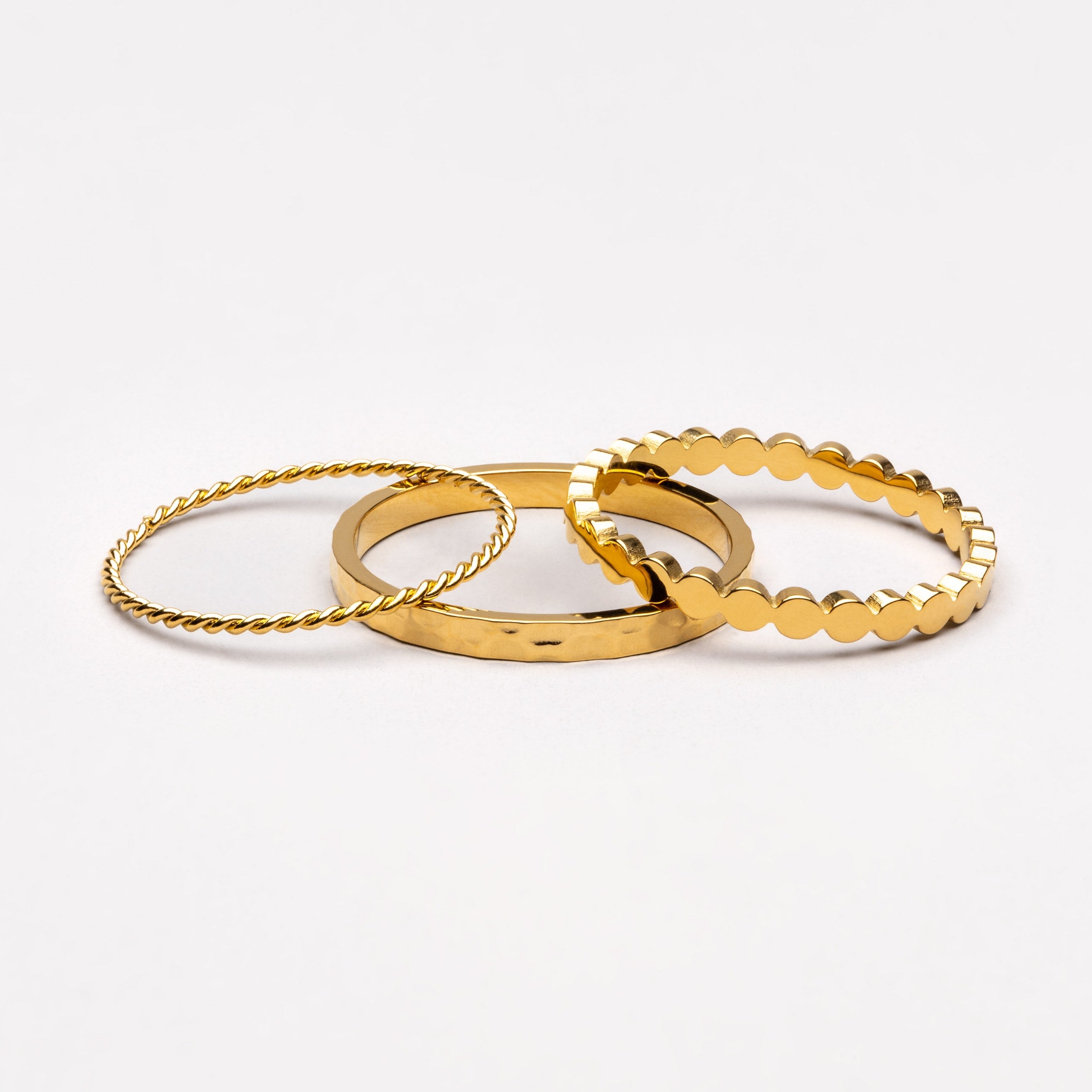
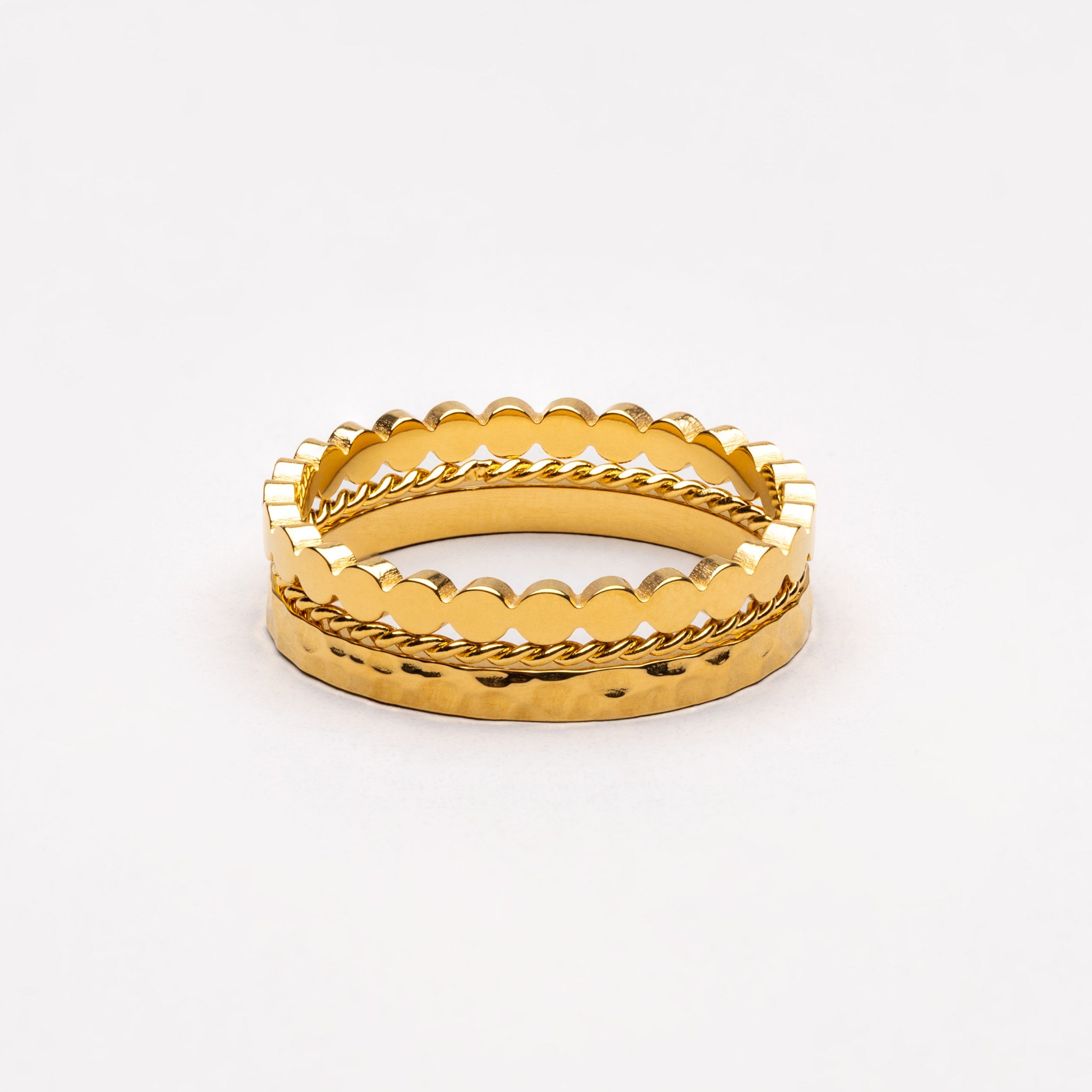
When you look closely at rings, chains, watches, and stacked pieces, each element speaks with its own syntax—rings punctuate gestures, chains draw attention to posture, watches anchor time and taste, and stacked jewelry creates rhythms of emphasis.
You read ring symbolism in placement and material: a signet asserts lineage, a cocktail ring signals occasion, a thin band speaks restraint. Chain history reveals cultural exchange and status—link type and weight tell you whether tradition or trend leads.
Watch significance combines function and sign: a classic mechanical watch implies craft, a smartwatch emphasizes utility. Stacking styles let you compose narratives through contrast, repetition, and balance; mixed metals, varied lengths, and alternating motifs communicate curated intent without words.
Personality Traits Often Linked to Heavy Jewelry
If you notice someone regularly wearing lots of bold jewelry, you can often infer a few consistent personality cues: they tend to be confident, enjoy visibility, and value personal storytelling.
You’ll see bold expression used as a fashion statement that signals self confidence and a willingness to occupy space. Observing how pieces combine reveals social dynamics—whether they align with trends, subcultures, or deliberate contrast.
Pay attention to cultural significance; jewelry can reflect heritage, group belonging, or political stance, tying public image to personal identity.
Your read benefits from artistic interpretation: choices in scale, texture, and layering suggest creativity and taste. While pieces may hold an emotional connection, focus here is on outward cues that map temperament and social intent.

Emotional and Sentimental Reasons People Layer Pieces
Memory often dictates how people choose to layer jewelry, and you'll spot choices that act like a timeline across the collarbone or wrist. You read necklaces, bracelets, and rings the way you’d read a scrapbook: heirloom lockets sit next to travel charms, friendship bands mingle with recent gifts.
These sentimental layers map relationships, losses, milestones, even promises you make to yourself. Observationally, you notice weight, texture, and patina signaling age and attachment; contextually, combinations reveal which memories someone prioritizes daily.
Analytically, layering functions as emotional expression and a private archive worn publicly—each piece both comforts the wearer and communicates selectively. You don’t need flamboyance to decode intent; the order and proximity often tell the truest stories.
Attention and Personal Branding With Heavy Jewelry
Sentimental stacks often sit beside pieces meant to be seen, and that proximity reshapes how jewelry functions as a personal brand. You use heavy jewelry to direct attention, signal values, and curate an image that operates visually before you speak.
Observing the choices—bold chains, layered rings, emblematic pendants—lets you decode a fashion statement and assess how it aligns with profession, scene, or aspiration. Context matters: the same mix reads differently at work, at a party, or within community rituals where pieces carry cultural significance.
Analytically, you balance visibility with coherence; too much risk muddles your message, while deliberate combinations amplify it. Ultimately, your jewelry becomes a portable resume of identity and intent.
How to Respond and Interpret Jewelry Respectfully
When you notice someone wearing a lot of jewelry, pause to read cues rather than jump to conclusions: look for context, intent, and cultural markers that shape meaning.
You’ll observe setting, age, and occasion to gauge whether pieces signal cultural appreciation, status, or simply personal expression.
Ask neutral, curious questions if you’re close enough—“I love that necklace, can you tell me about it?”—which invites history without presuming.
Avoid exoticizing, touching, or speculating publicly about origin or value.
Reflect on your own biases so your interpretation stays contextual and respectful.
If you’re giving feedback or complimenting, focus on craftsmanship or the emotion it conveys rather than assumptions about wealth or identity.
Let the wearer define what their adornment means.

Frequently Asked Questions
Can Heavy Jewelry Cause Health or Skin Issues?
Yes — you can get allergic reactions and skin irritation from heavy jewelry; pressure, metal alloys, and trapped sweat worsen chafing and contact dermatitis, so you should clean pieces, alternate wear, and consult a dermatologist if symptoms persist.
How Should Heavy Jewelry Be Stored Long-Term?
Store heavy jewelry in padded compartments and hang necklaces to prevent tangles; you’ll use jewelry organization tips and storage solutions that control humidity, separate metals, and analyze wear patterns so pieces stay secure, scratch-free, and ready.
Are There Insurance Options for Expensive Jewelry?
Yes — you can insure expensive pieces: get a professional jewelry valuation, compare policy coverage limits and deductibles, consider scheduled personal property or riders, and document appraisals and receipts to guarantee claims are honored promptly.
How Does Heavy Jewelry Affect Professional Dress Codes?
Heavy jewelry can clash with business attire; you should balance statements with subtlety, respect cultural significance, and consider workplace norms, as bold pieces may distract, signal status, or require contextual adaptation to maintain professionalism.
What Metals or Alloys Are Best for Durability?
Stainless steel and titanium alloys are best for durability; you’ll get corrosion resistance, low maintenance, and high strength, so you can wear sturdy pieces daily, expect long life, minimal wear, and reliable structural integrity.
Conclusion
You’ll notice that heavy jewelry rarely means just one thing; it’s a layered language of status, identity, sentiment and style shaped by culture and context. When you see someone adorned with rings, chains or stacked pieces, read them as signaling — maybe pride, memory, ambition or a crafted public persona — rather than making a snap judgment. Stay curious and context-aware: asking or observing respectfully lets you decode meaning without reducing the wearer to a stereotype.






Leave a comment
This site is protected by hCaptcha and the hCaptcha Privacy Policy and Terms of Service apply.