


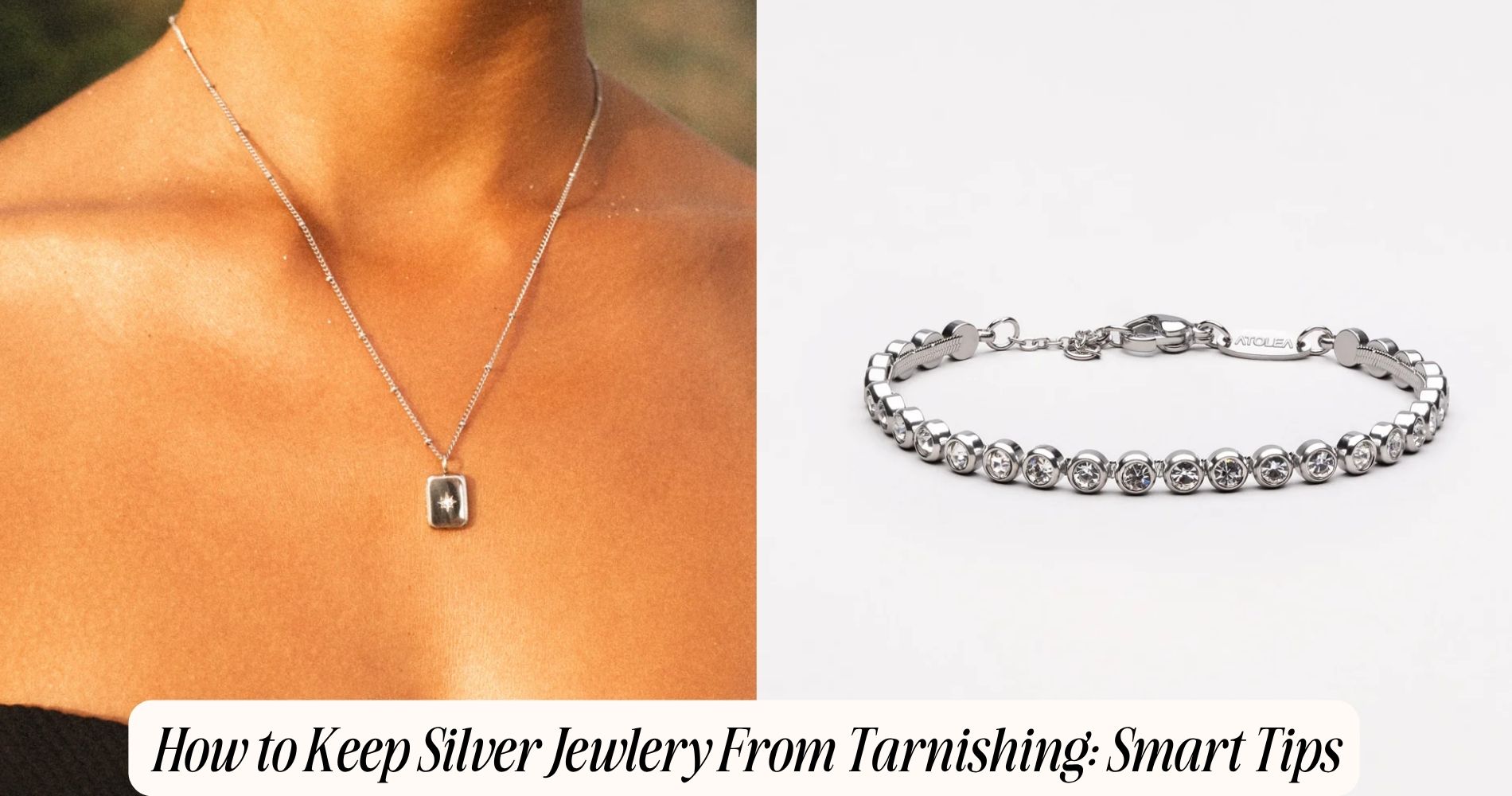
How to Keep Silver Jewlery From Tarnishing: Smart Tips
Silver tarnishes because of chemistry, not carelessness. The moment silver comes into contact with sulfur compounds in the air, a reaction begins that gradually dulls the surface and turns it gray or black. If you have been searching for how to keep silver jewelry from tarnishing, the answer involves a combination of smarter storage, daily habits, and, in some cases, choosing the right type of silver to begin with. Silver Waterproof Jewelry built around protective coating technology takes a different approach entirely. This guide covers the most effective methods, ranked by how much difference they actually make.
Why Silver Tarnishes and What You Are Actually Fighting
Tarnish is not dirt. It is silver sulfide, a compound that forms when silver reacts with hydrogen sulfide in the air. Humidity accelerates the reaction significantly, which is why jewelry tarnishes faster in bathrooms, coastal environments, or humid climates.
Sweat adds another layer to the problem. The combination of salt, acids, and sulfur compounds on skin speeds up the tarnishing process on pieces worn directly against the body. Skincare products, perfume, and sunscreen introduce additional reactive chemicals into the mix.

Standard sterling silver is 92.5% silver and 7.5% copper. That copper content makes it workable and durable, but copper also reacts with oxygen and moisture, contributing to discoloration alongside the tarnishing from sulfur. The result is a surface that changes color from multiple directions at once.
Understanding this is useful because it changes where you focus your effort. Polishing after tarnish appears is reactive. Controlling exposure to the triggers that cause it is preventative, and prevention produces far better long-term results.
How to Keep Silver Jewelry From Tarnishing Through Storage
Storage accounts for a large share of how quickly silver tarnishes. Most people store jewelry in open dishes or boxes, which leaves pieces exposed to the same air that causes the reaction.
The most effective storage approach uses airtight conditions combined with anti-tarnish materials:
-
Airtight bags or containers: Zip-lock bags with the air pressed out slow tarnishing significantly by limiting sulfur exposure. Small silica gel packets inside the bag reduce moisture further.
-
Anti-tarnish strips: These strips absorb sulfur compounds from the air inside a container. Replace them every three to six months depending on your climate.
-
Anti-tarnish cloth pouches: Treated fabric that neutralizes sulfur. Useful for individual pieces and easy to use when traveling.
-
Separate storage per piece: Silver scratches against other metals and against itself. Individual pouches or compartments protect both the surface finish and the coating on plated pieces.
Avoid storing silver in bathrooms. The humidity from showers accelerates tarnishing faster than almost any other environmental factor. A bedroom drawer or a dry jewelry box in a low-humidity room is a better default location.

Cleaning Methods That Remove Tarnish Without Damaging the Surface
Even with good storage habits, silver benefits from occasional cleaning. The method you use matters as much as the frequency.
For light tarnish, a soft microfiber cloth with gentle back-and-forth strokes removes surface oxidation without introducing scratches. Circular polishing motions grind tarnish particles into the surface rather than lifting them off, so straight strokes work better.
For more significant tarnish, a mild soap solution works well. Mix a small amount of dish soap with warm water, soak the piece for a few minutes, then use a soft cloth or a very soft toothbrush on any detailed areas. Rinse thoroughly and dry immediately with a clean cloth. Leaving water on silver after cleaning introduces new tarnishing conditions.
Baking soda paste is a commonly cited home remedy but warrants caution. The mild abrasive action removes tarnish effectively on plain sterling silver, but it can scratch softer surfaces and remove protective coatings on plated pieces. Use it only on solid sterling silver with no protective finish.
Avoid ultrasonic cleaners for silver unless the manufacturer specifies compatibility. The vibrations that work well on harder stones can loosen settings and damage more delicate constructions.
Daily Habits That Slow Tarnishing Significantly
How you wear silver matters as much as how you store it. A few consistent habits extend the life of the finish noticeably.
Put jewelry on last when getting ready. Perfume, hairspray, and moisturizer all contain compounds that accelerate tarnishing. Letting products absorb into your skin and dry before you put on your jewelry limits how much contact they have with the metal.
Remove silver before swimming. Chlorine in pools reacts aggressively with silver and strips the surface faster than almost any other common exposure. Salt water has a similar effect, pulling at the finish over repeated sessions at the beach.
Wipe pieces down before storing them. A quick pass with a soft cloth after wearing removes skin oils, salt, and any product residue before it has time to interact with the surface overnight.
For pieces you wear during workouts, the combination of sweat and friction during a gym session or Pilates class creates concentrated tarnishing conditions. Removing silver before exercise and replacing it afterward is the most practical approach for keeping the finish clean over time.

Choosing Silver That Resists Tarnishing From the Start
The most durable answer to how to keep silver jewelry from tarnishing lies in the material itself. Not all silver jewelry uses the same construction, and the differences in longevity are substantial.
|
Silver Type |
Tarnish Resistance |
Water Resistance |
Best For |
|
Sterling silver (uncoated) |
Low |
Poor |
Special occasions, careful storage |
|
Silver-plated brass or copper |
Very low |
Poor |
Short-term wear only |
|
Rhodium-plated sterling silver |
Moderate |
Moderate |
Reduced tarnishing, some water exposure |
|
PVD-coated stainless steel (silver finish) |
Very high |
Excellent |
Daily wear, active lifestyles |
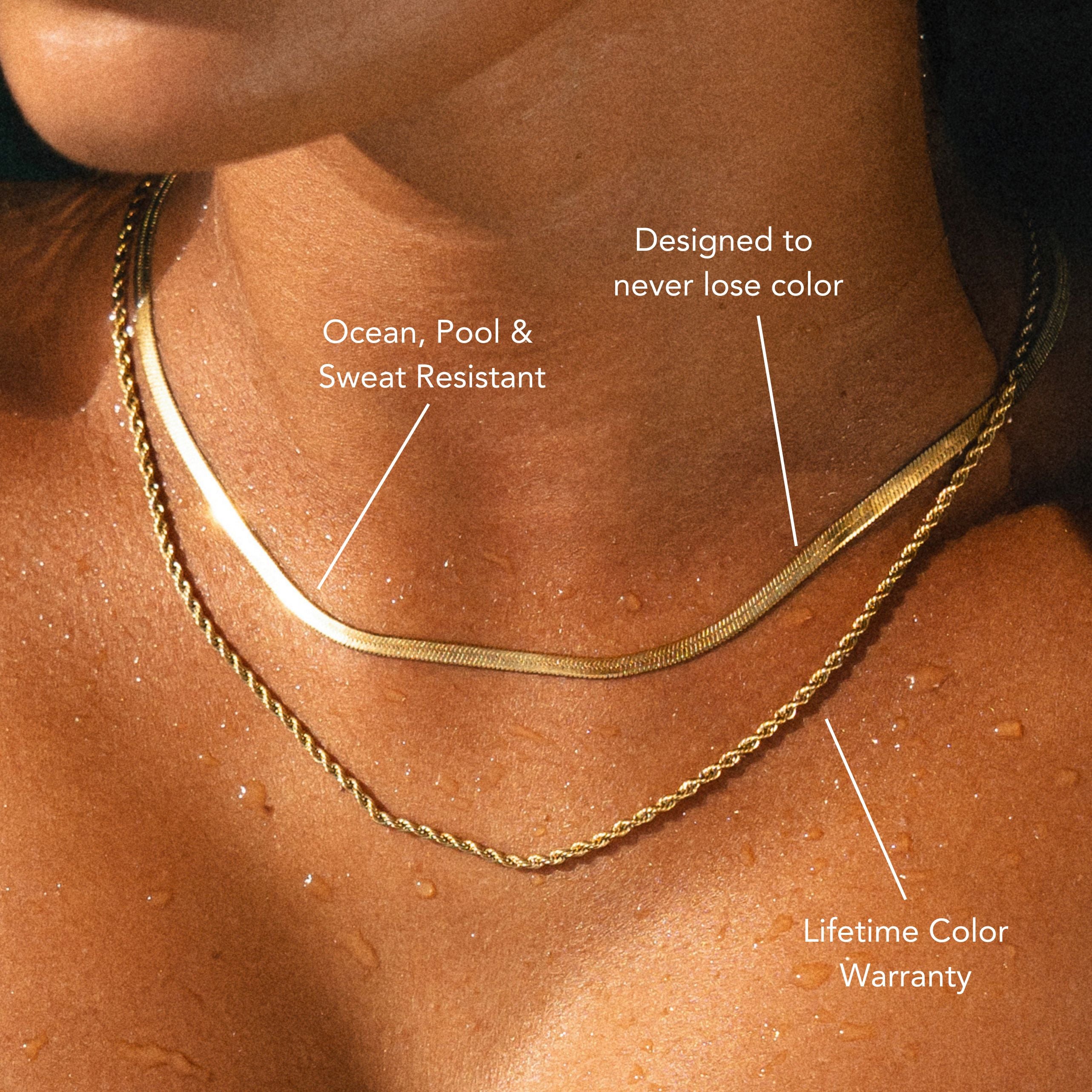
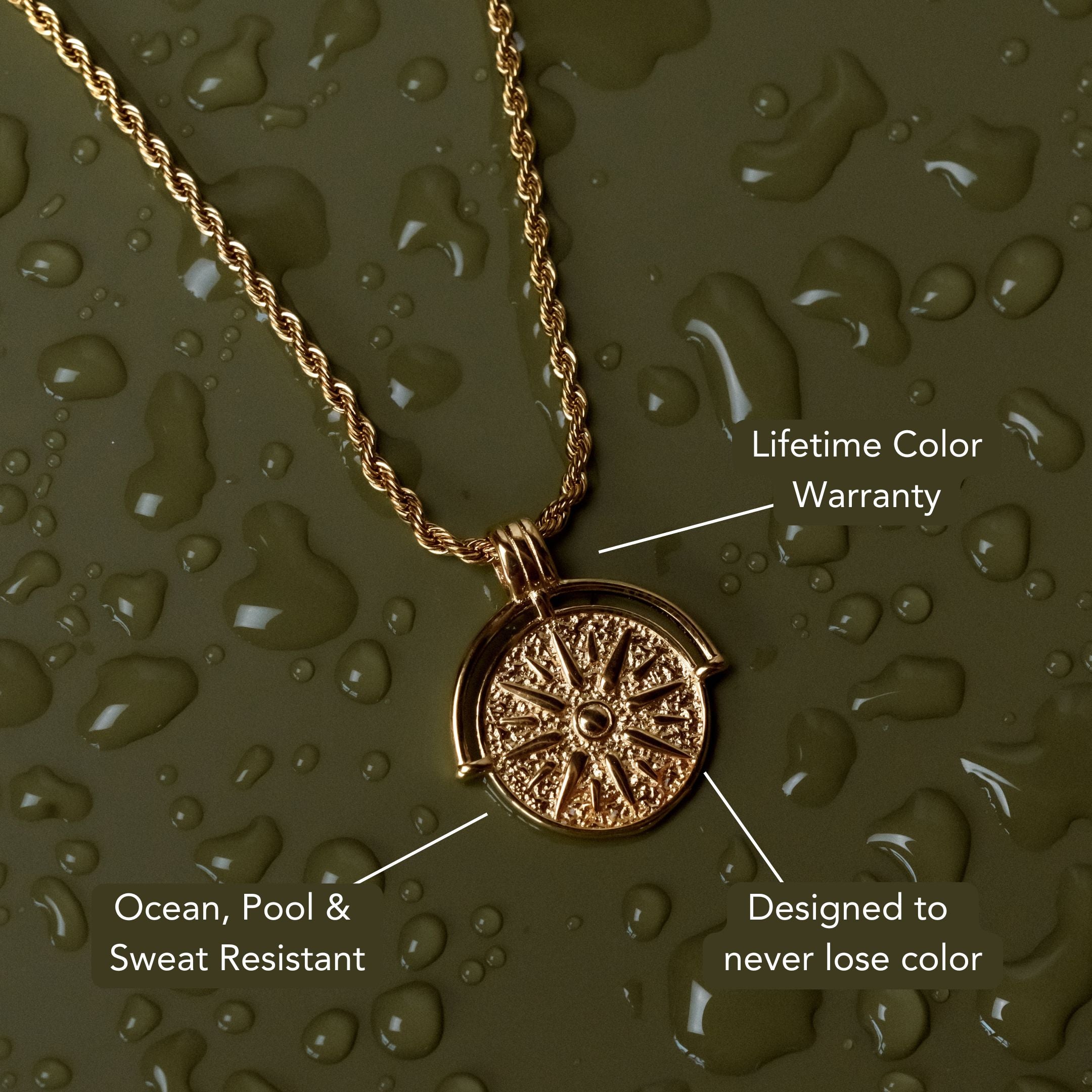
PVD (Physical Vapor Deposition) coating applies a finish layer at the molecular level, producing a surface 10 times thicker than standard plating. That thickness holds through daily wear, water exposure, sweat, and skincare products without lifting or discoloring. The silver tone stays consistent because it is not reacting with its environment the way unprotected silver does.
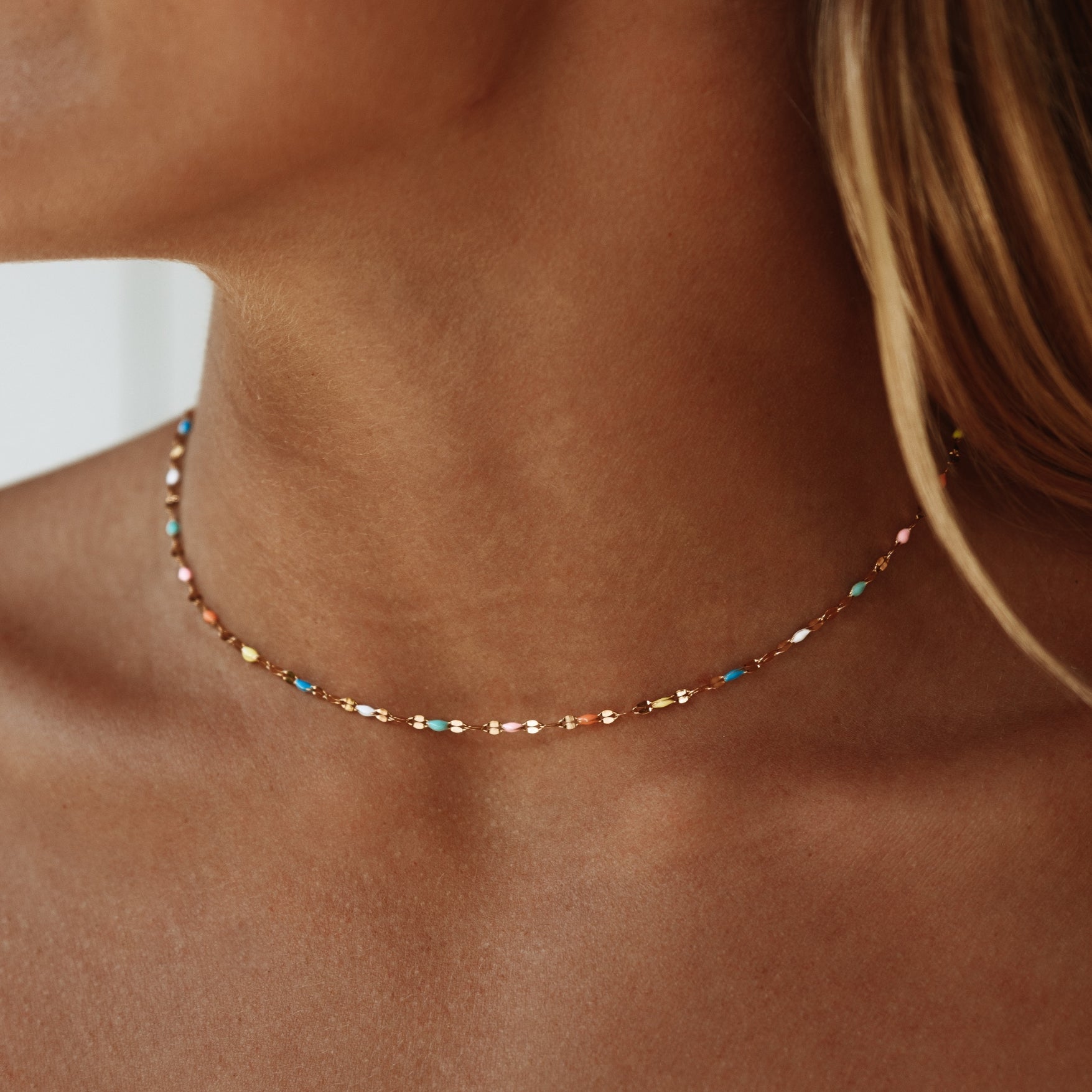
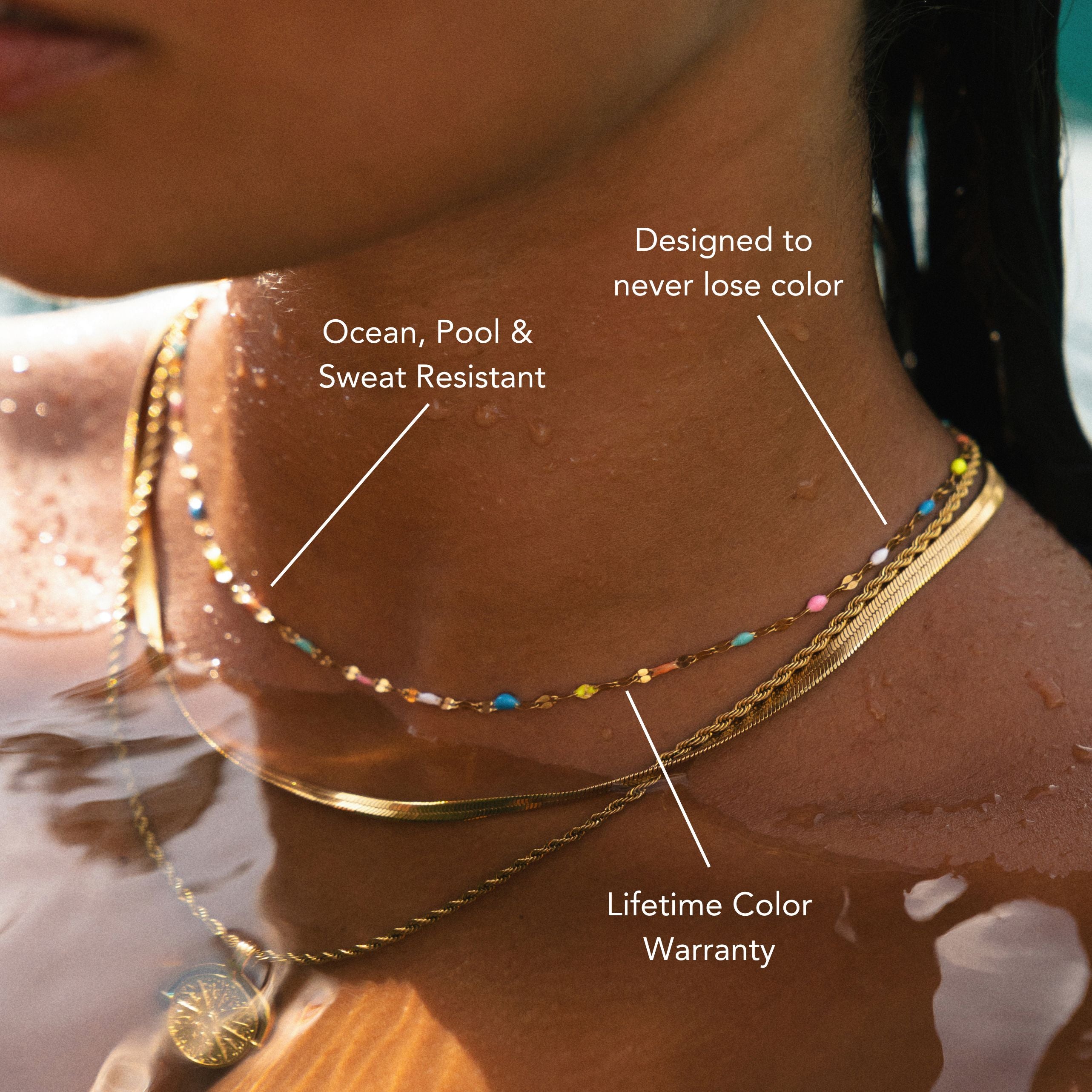
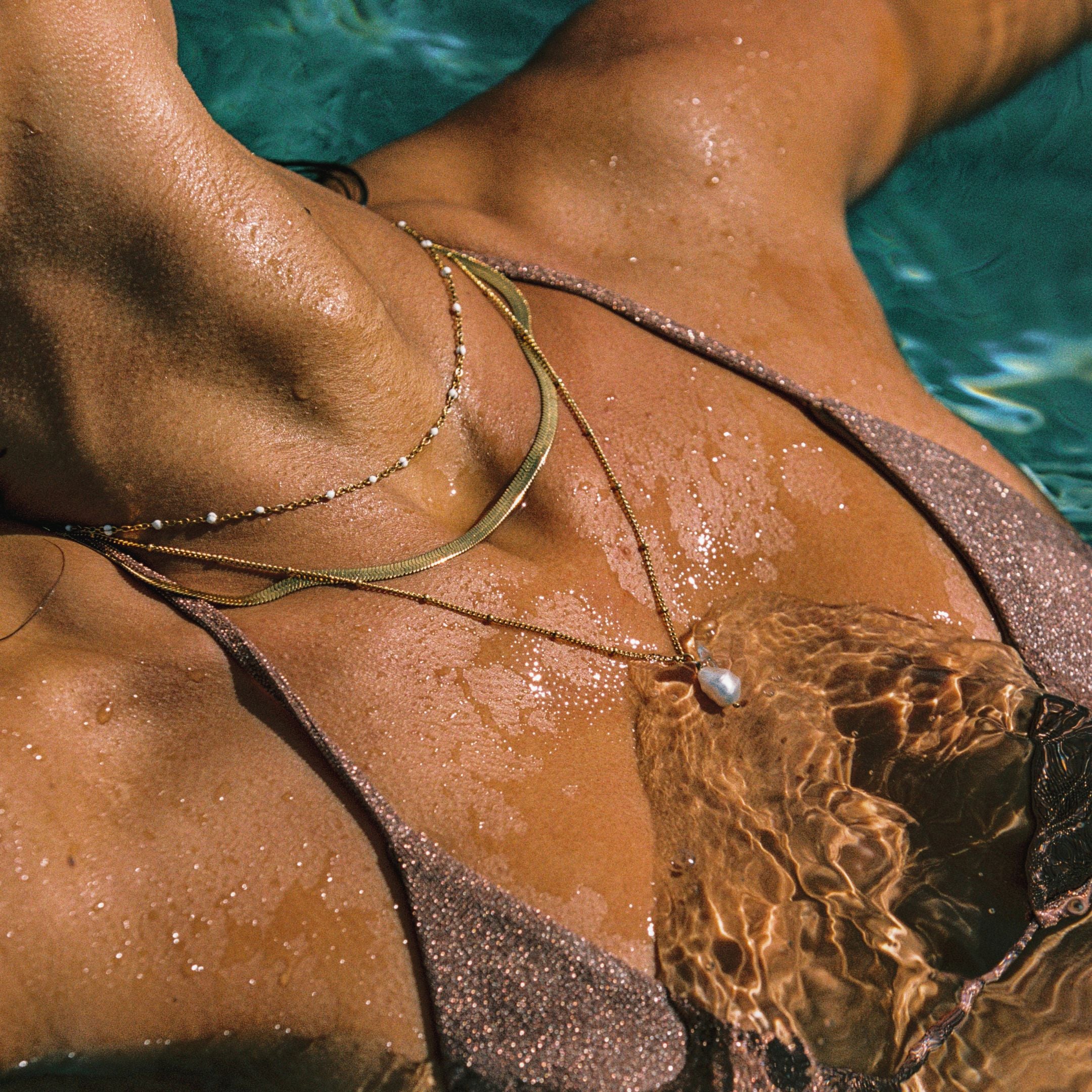
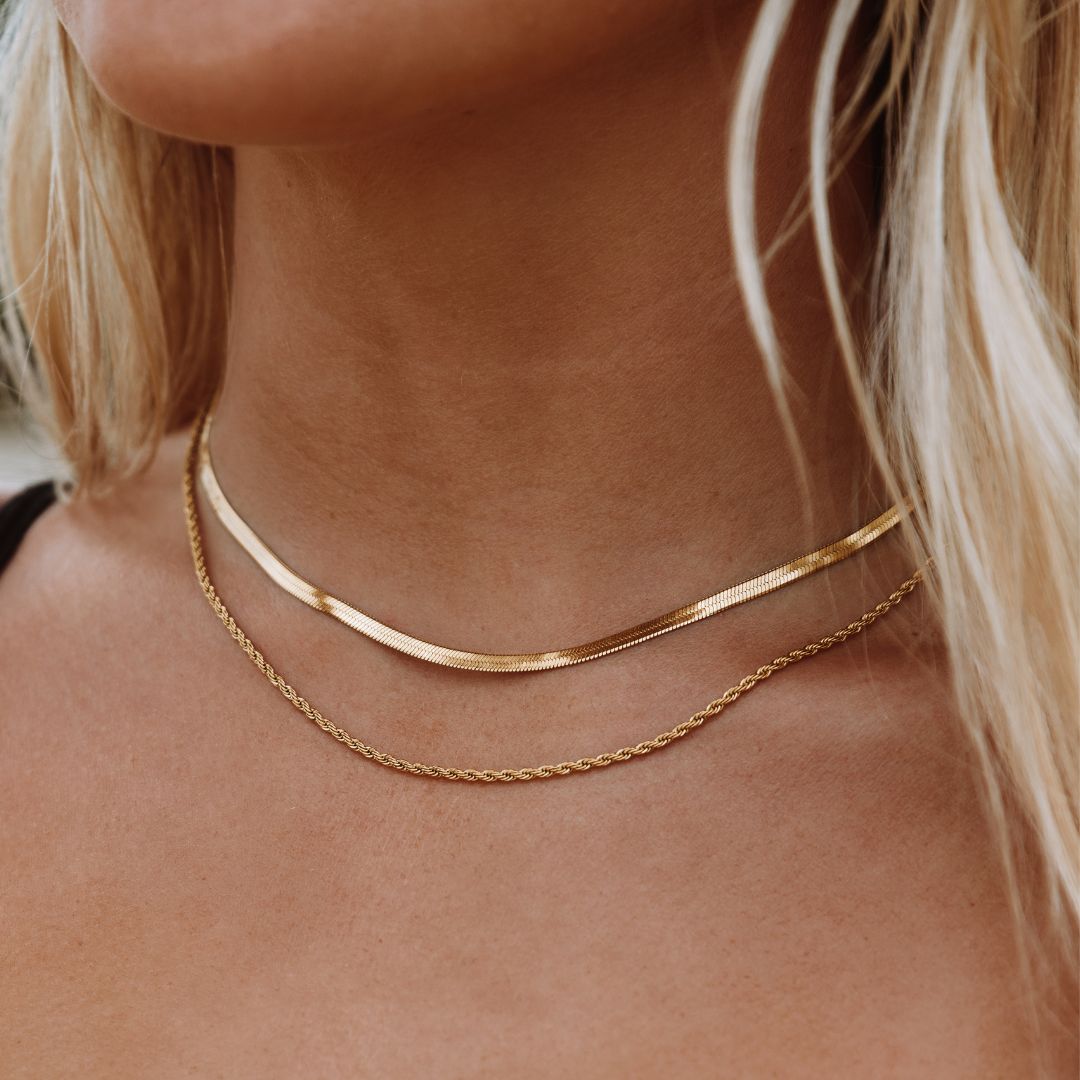
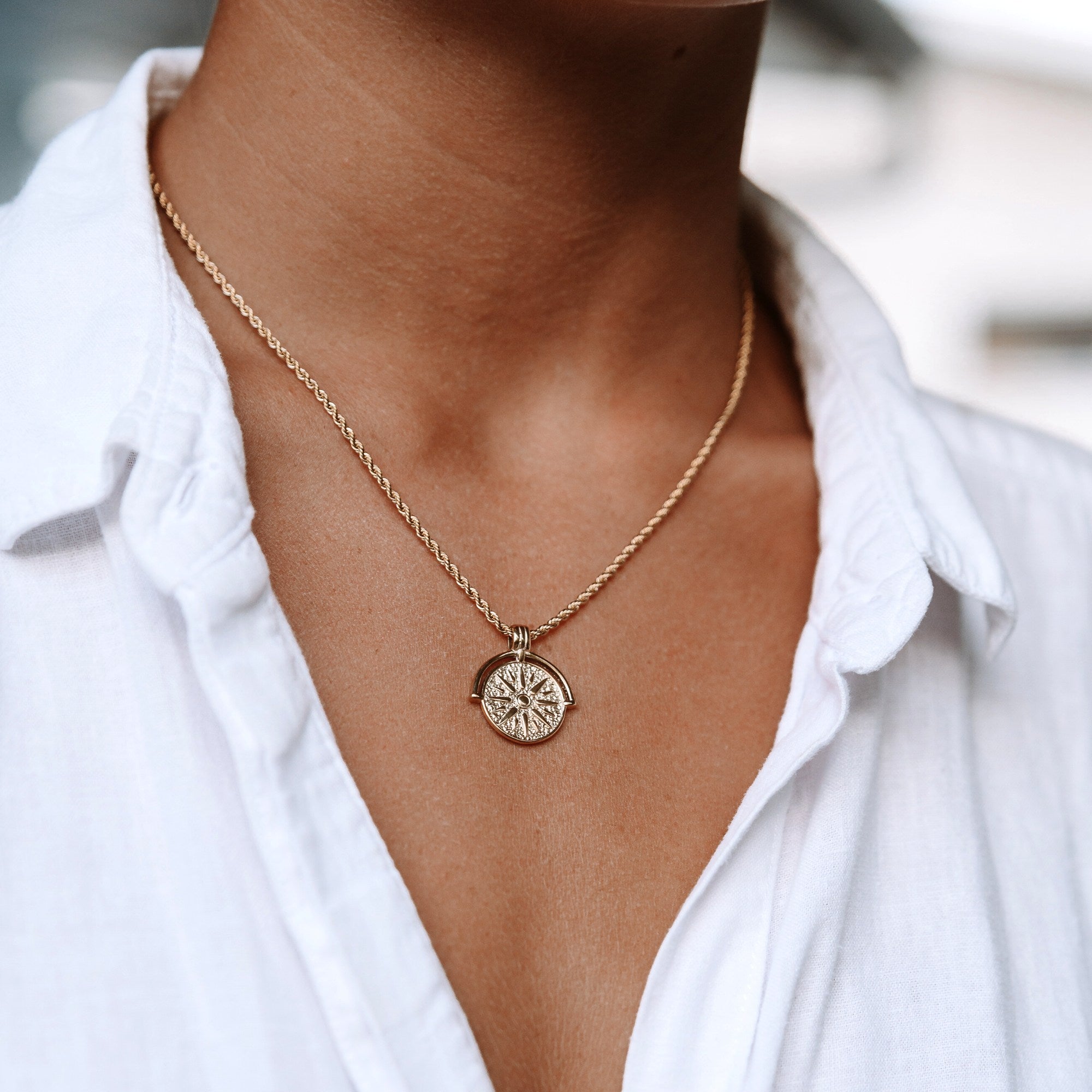
The practical difference is that PVD-coated pieces do not require the same maintenance routine. You do not need to remove them before a swim, wipe them down after every wear, or store them in airtight conditions to maintain the finish. ATOLEA builds its silver jewelry on a PVD-coated stainless steel base specifically to remove that maintenance burden. Each piece carries a lifetime color warranty, which means the color gets replaced if it ever changes, with no conditions attached.
What to Avoid If You Want Silver to Last
A few common habits accelerate tarnishing faster than most people realize.
Storing silver with rubber bands or rubber-lined drawers introduces concentrated sulfur into a confined space, which speeds up the reaction dramatically. Rubber is one of the highest-sulfur materials in a typical home environment.
Leaving silver in direct sunlight for extended periods introduces UV degradation on top of the standard tarnishing reaction. A jewelry box or drawer keeps both light and air exposure under control.
Harsh chemical cleaners, including bleach and ammonia-based products, damage silver surfaces and strip protective coatings. If you clean your hands with strong products, remove your rings first.
Sleeping in silver jewelry concentrates the effects of skin contact, sweat, and pressure in a way that active daytime wear does not. Taking pieces off before bed and storing them properly overnight is one of the simplest habits that extends the finish.

Frequently Asked Questions
How do I keep silver jewelry from tarnishing if I wear it every day?
Daily wear accelerates tarnishing through contact with sweat, skin oils, and products. Wiping pieces down with a soft cloth before storing them, keeping them away from perfume and lotion, and choosing pieces with a protective coating like PVD finish significantly slow the tarnishing process. Airtight storage overnight removes the overnight air exposure that causes a lot of the damage.
Can I shower with silver jewelry on?
Uncoated sterling silver and lightly plated pieces should stay out of the shower. Repeated water exposure speeds up tarnishing and can cause plating to lift. PVD-coated silver handles shower exposure without the coating breaking down, making it a practical option if you prefer not to remove jewelry as part of your daily routine.
Why does my silver jewelry tarnish so fast?
Fast tarnishing usually points to one of a few causes: high humidity in your storage area, frequent contact with skin care products or perfume, storage near rubber materials, or a thin plating layer that has worn through to the base metal underneath. Checking each of these factors typically identifies the source. Switching to a piece with a thicker protective finish addresses the plating issue permanently.
Does storing silver in a box prevent tarnishing?
A closed box is better than open storage, but it is not airtight. For meaningful tarnish prevention, the storage needs to limit both air and moisture. A box combined with anti-tarnish strips or individual airtight pouches per piece works significantly better than a standard jewelry box on its own.
Conclusion
How to keep silver jewelry from tarnishing comes down to two things working together: better habits around storage and wear, and choosing silver built with a finish that resists the causes of tarnishing from the start. Airtight storage, avoiding water and product exposure, and wiping pieces down after wearing all make a measurable difference with standard sterling silver. For pieces worn every day through showers, workouts, and beach trips, PVD-coated silver removes most of that maintenance entirely. The waterproof bracelet and necklace ranges are a practical place to see how PVD finish holds up across different silver styles and weights.





Leave a comment
This site is protected by hCaptcha and the hCaptcha Privacy Policy and Terms of Service apply.