


Can You Wear Gold and Silver Necklaces Together: Style Guide
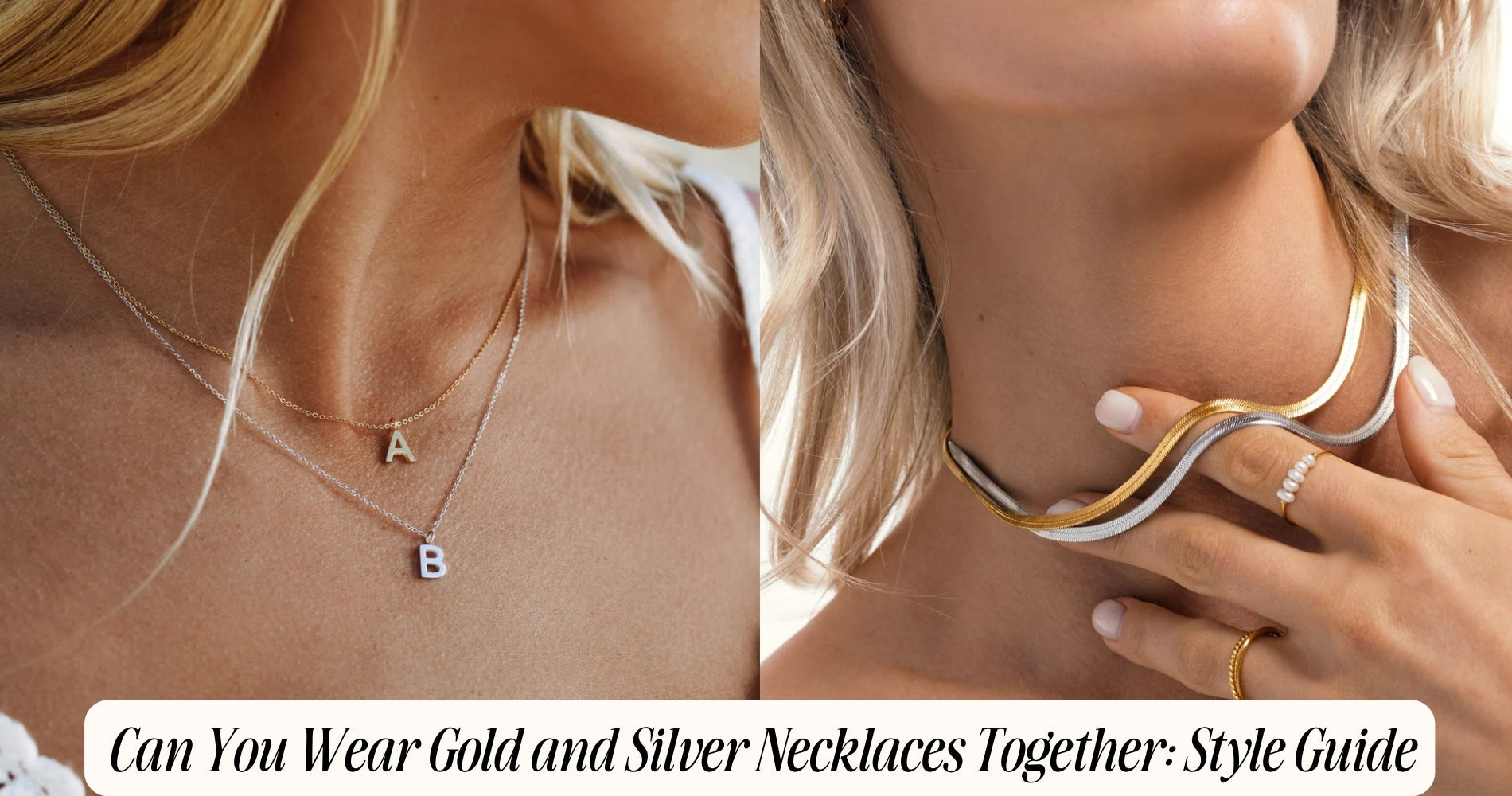
The rule against mixing gold and silver was never really a rule, and it has not held in practice for years. Can you wear gold and silver necklaces together? Yes, and when layered with attention to chain texture, length placement, and pendant balance, a mixed-metal necklace stack reads as more deliberate and collected than a single-tone stack often does. Silver Waterproof Jewelry pairs naturally with gold pieces in a layered stack. This guide focuses specifically on necklaces: how to choose which chains to combine, where to position gold versus silver within a layered stack, how to mix pendant metals, and the practical chain and clasp considerations that come up only when combining two different metal necklaces.
Why Gold and Silver Necklaces Work Together
Necklaces sit closer together than almost any other jewelry type when worn in a stack, which means the interaction between gold and silver tones is more direct and more visible than in mixed-metal rings or earrings worn at a distance from each other. This proximity is actually an advantage for necklaces specifically: the visual relationship between the two metals reads as an intentional design choice precisely because they sit so near each other.
The principle that makes any mixed-metal combination work applies here: one tone needs to lead, and the secondary tone needs to repeat or have enough presence to read as a deliberate choice rather than an accident. With necklaces, this principle translates into specific decisions about which chains to combine and how to position them.
A single gold necklace alongside a single silver necklace, each worn alone on different days, never interacts. The moment you layer them together, gold and silver necklaces create a relationship that needs to be designed rather than left to chance.

Choosing Which Gold and Silver Necklaces to Combine
Not every gold necklace pairs equally well with every silver necklace. Three factors determine compatibility.
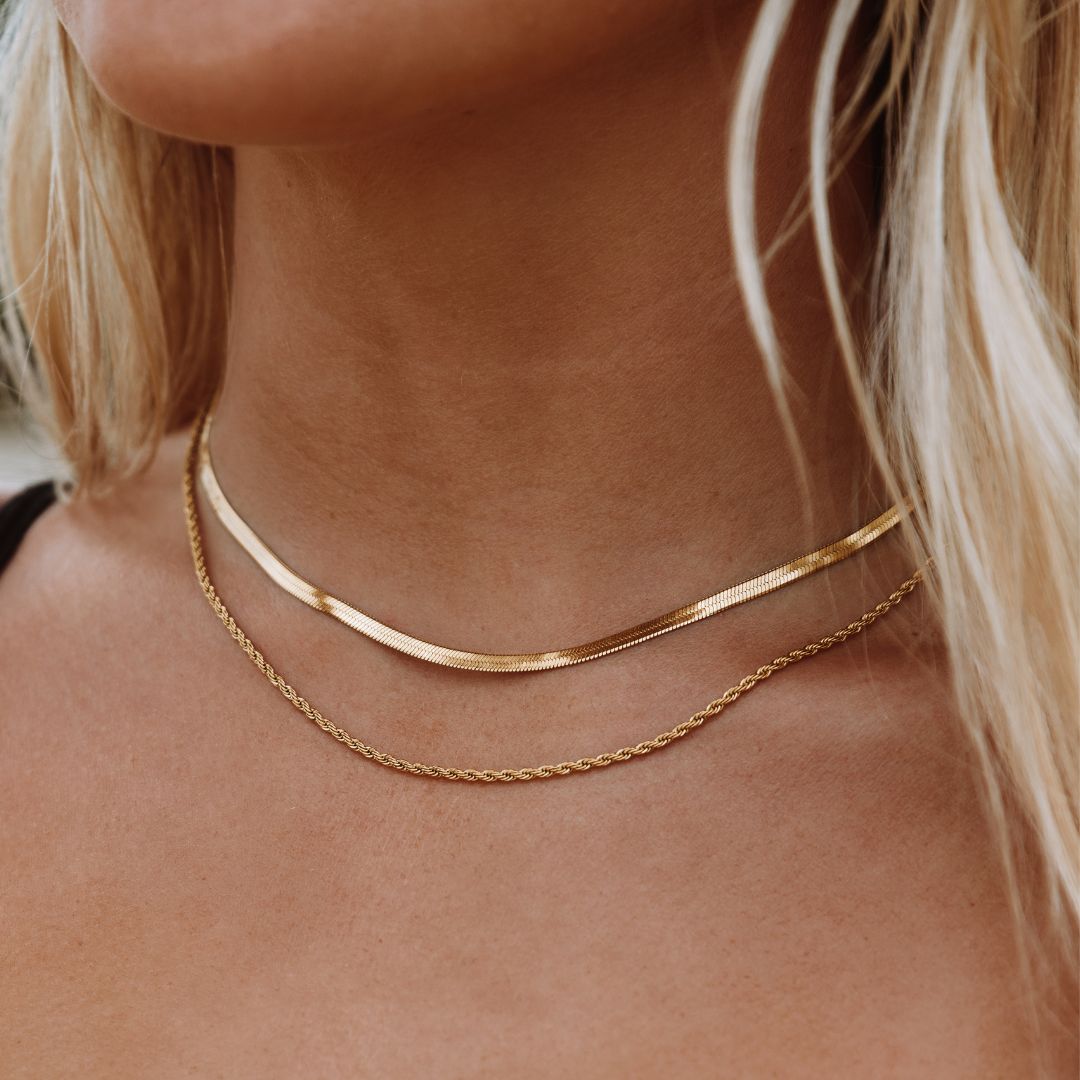
Chain texture. A polished, smooth gold chain pairs well with a polished, smooth silver chain because the shared finish quality creates cohesion despite the different metal tones. A textured or hammered gold chain pairs well with a similarly textured silver chain for the same reason. Mismatched textures, a high-polish gold chain with a heavily textured silver chain, can work but require more intentional styling to avoid looking like two unrelated pieces that happen to be worn together.
Chain weight and gauge. Pairing a very delicate 0.8mm gold chain with a substantial 3mm silver chain creates a scale mismatch that draws attention to the difference in weight rather than the difference in metal tone. Chains of similar gauge, even in different metals, read as a more considered pairing because the visual weight is balanced even as the color contrasts.
Overall style category. A minimalist gold chain pairs more naturally with a minimalist silver chain than with an ornate silver chain covered in detail. Matching the general design language, both simple, both detailed, both with a specific aesthetic point of view, creates cohesion that bridges the metal color difference.
Length-Based Placement: Where Gold and Silver Should Sit
The position of gold versus silver within a layered necklace stack affects how the combination reads more than almost any other variable.
Dominant tone closest to the face. Positioning your dominant metal tone on the shortest chain, the one closest to the collarbone and face, tends to create the most flattering result for most skin tones. If gold is your dominant tone for the day's outfit, a gold chain at 14 to 16 inches as the top layer puts the warmer tone closest to the face where it interacts most directly with skin tone.
Secondary tone at the midpoint or base. The secondary metal works well positioned at the middle length (18 to 20 inches) where it bridges the two and signals that the combination is deliberate, or at the longest length (22 to 24 inches) where it anchors the stack with a clear, separate visual identity from the dominant tone above it.
Avoiding the alternating pattern. Alternating gold, silver, gold across three layers in immediate succession creates a busier visual rhythm than two golds and one silver, or two silvers and one gold, grouped with the secondary tone in a single position. The grouped approach reads as a clear majority-minority relationship. The alternating approach reads as an even split, which circles back to the core problem with poorly executed mixed-metal styling: no clear leading tone.
The two-thirds guideline applied to necklaces specifically. For a three-chain stack, two chains in one metal and one chain in the other produces the clearest hierarchy. For a two-chain stack, this guideline is harder to apply directly, which is why pendant choice, covered below, becomes the tool for establishing dominance in a simpler two-piece combination.

Mixing Metals in Pendants
Pendant choice offers another opportunity to blend gold and silver, separate from the chain itself.
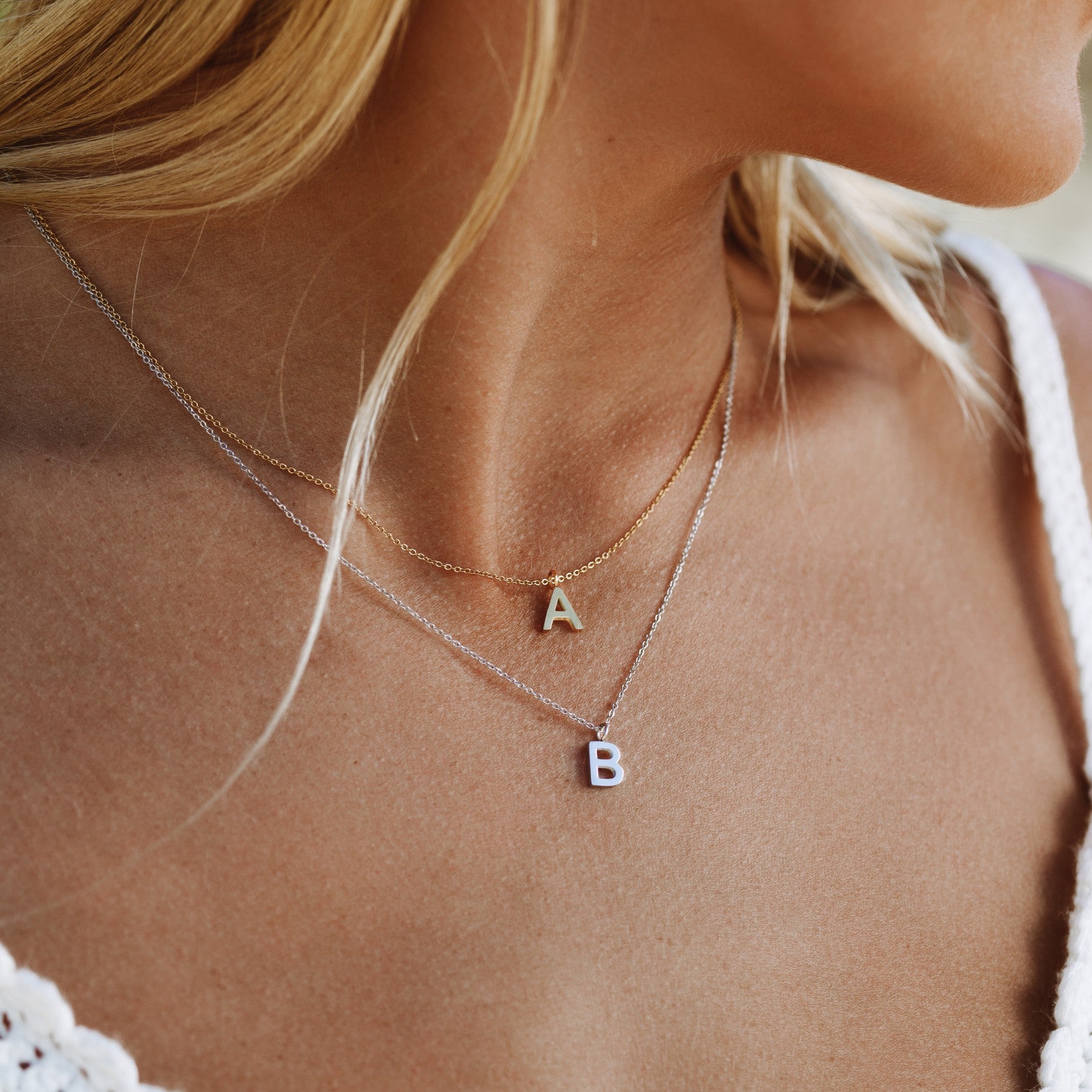
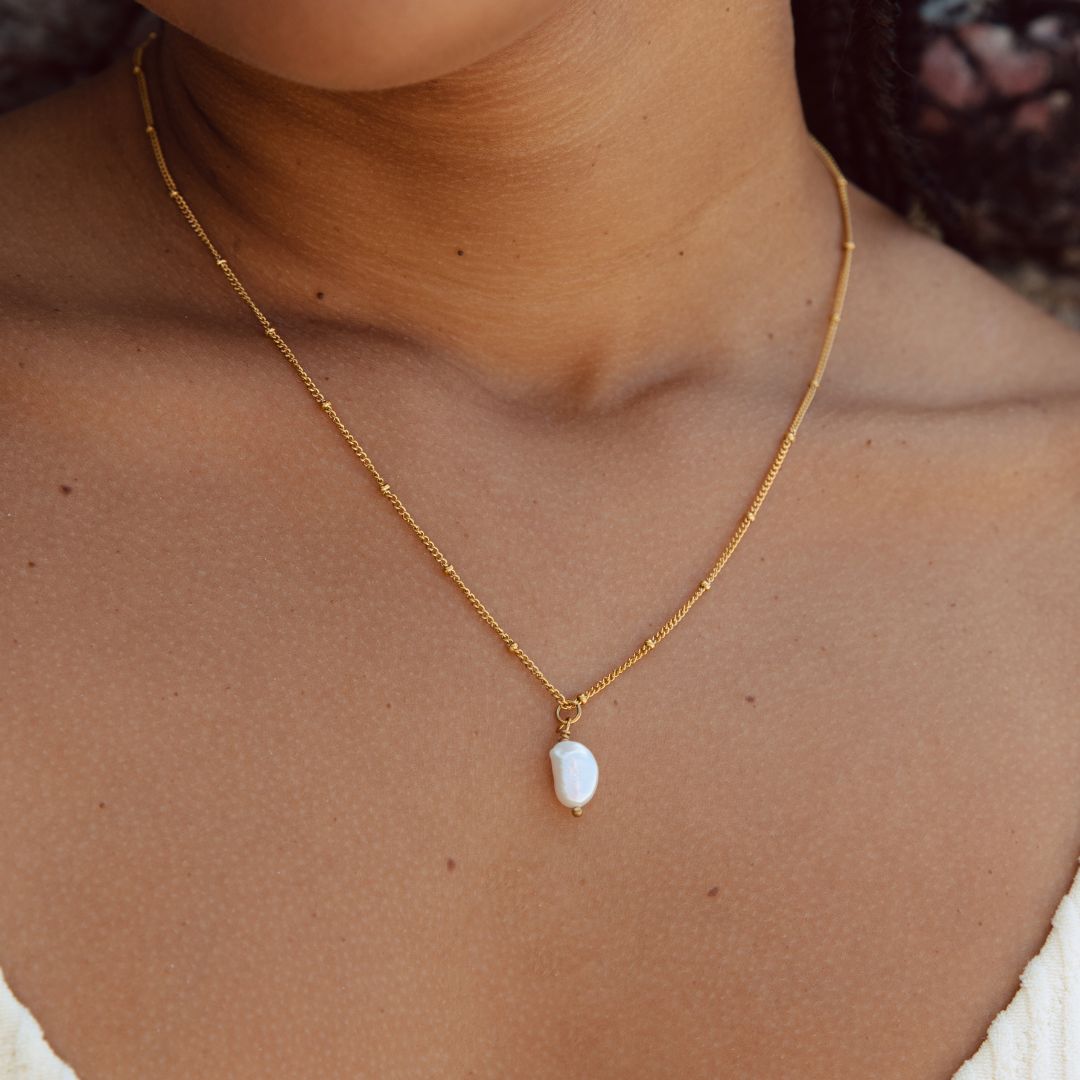
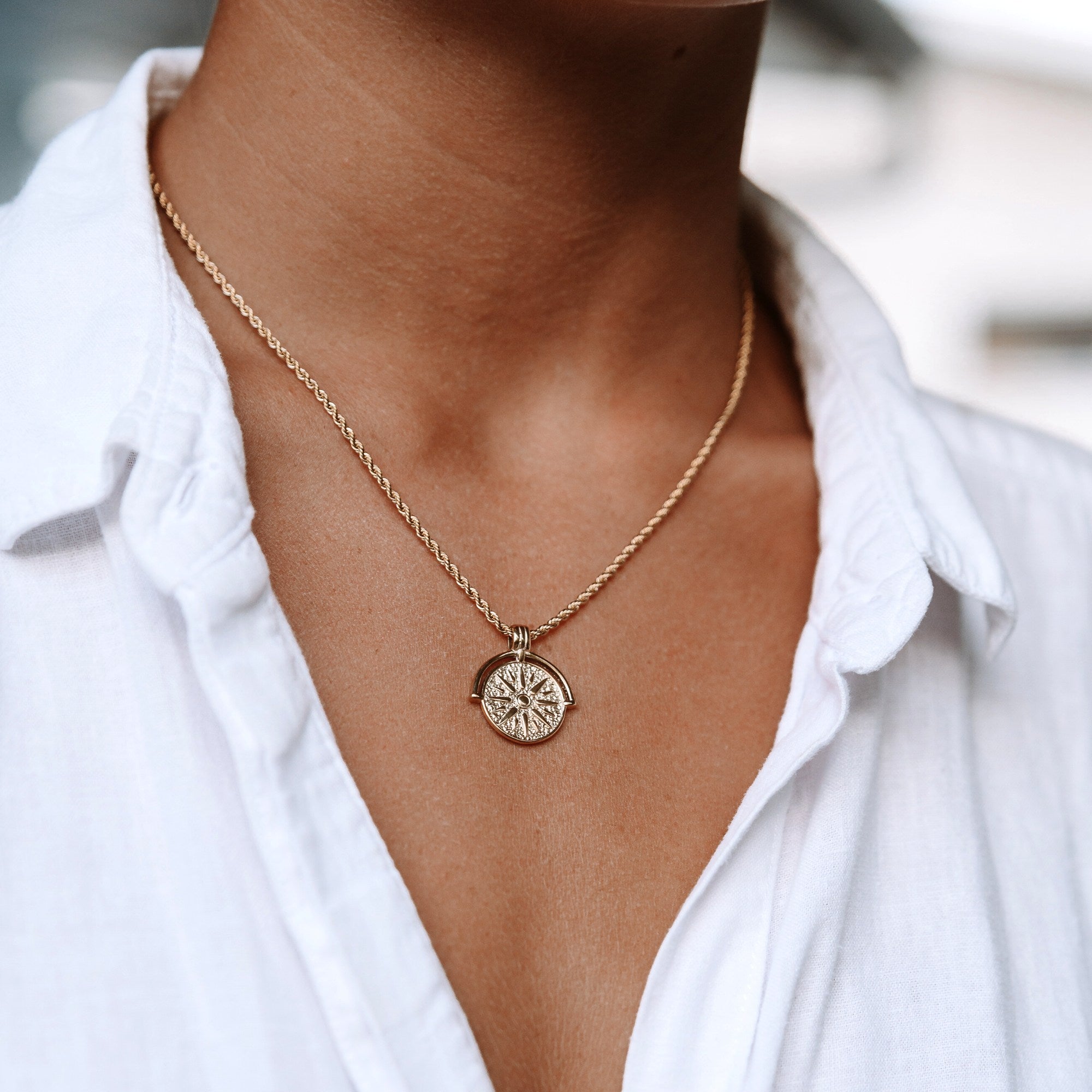
A gold pendant on a silver chain, or silver pendant on a gold chain. This is one of the cleanest ways to introduce a secondary metal tone without committing to a full second chain. A small silver charm on a gold chain reads as a deliberate accent rather than a competing element because the chain itself establishes a clear dominant tone, and the pendant is a single, contained departure from it.
Two-tone pendants. Pendants manufactured with both gold and silver elements combined in a single piece, a two-tone disc, a mixed-metal initial charm, solve the gold-and-silver-together question at the pendant level rather than the chain level. These pieces work as the anchor for a layered stack because they explicitly signal that mixing is the intended aesthetic for the entire combination, which gives permission for the surrounding chains to mix freely as well.
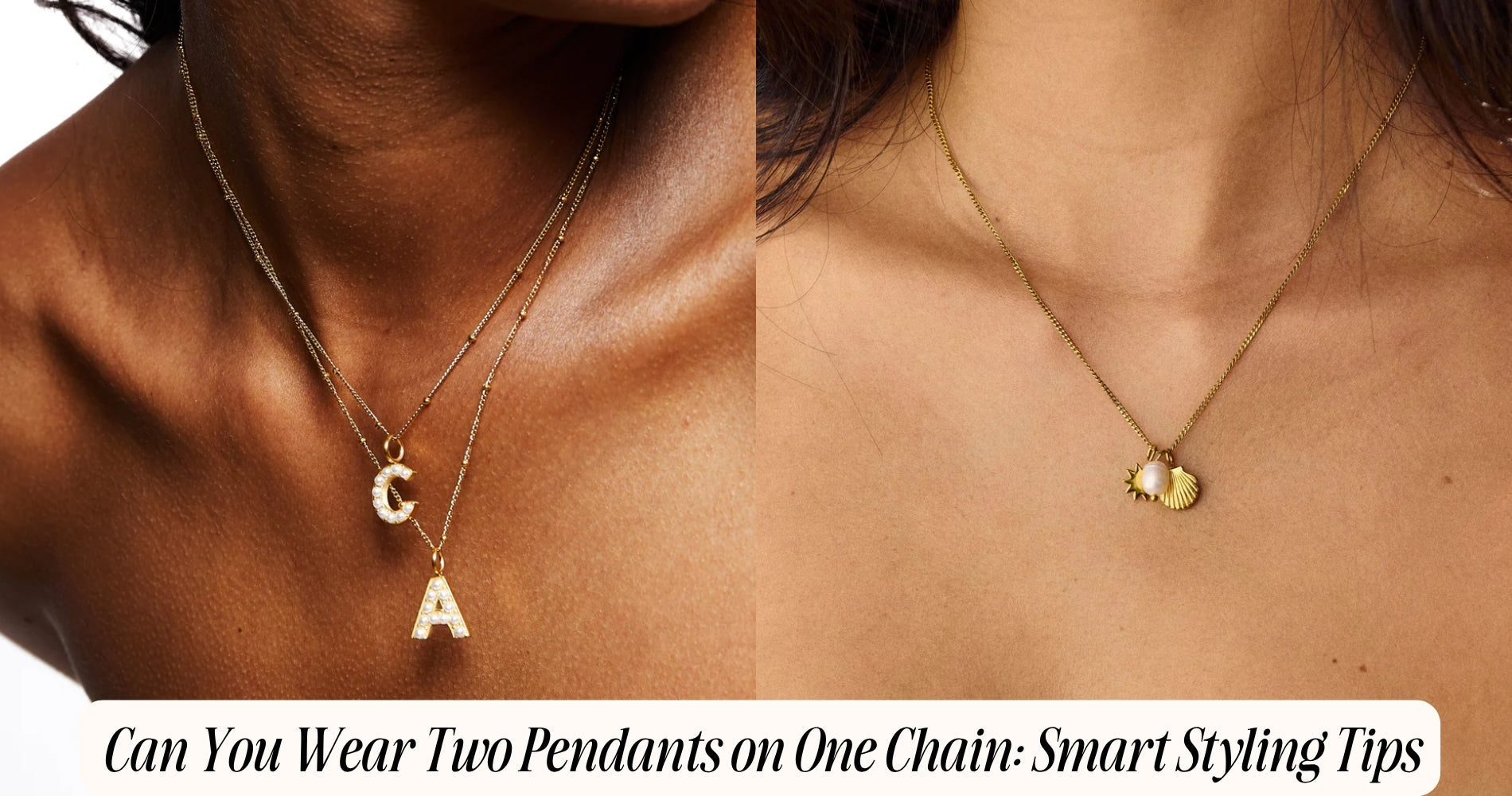
Multiple pendants in different tones. When wearing two pendants on the same chain or on two different chains in a stack, keeping both pendants in the same metal tone as their respective chains, gold pendant on gold chain, silver pendant on silver chain, creates the cleanest read. Mixing a gold pendant onto a silver chain that already carries a silver pendant elsewhere in the stack adds a layer of complexity that requires careful balance to avoid looking unplanned.
Practical Chain and Clasp Considerations
Combining gold and silver necklaces in a daily-wear stack introduces a few mechanical considerations that single-metal stacks do not.
Clasp compatibility. When layering multiple necklaces, each chain typically has its own clasp, which means gold and silver clasps sit close together at the back of the neck. This is rarely visible during wear but matters if you ever combine chains using a single connector or layering clasp designed to hold multiple necklaces together. Some layering clasps are finished in a single metal tone, which means a silver-finished layering clasp attached to a gold chain creates a small mismatch at the closure point. Check whether your layering clasp finish matches at least one of the chains you are combining.
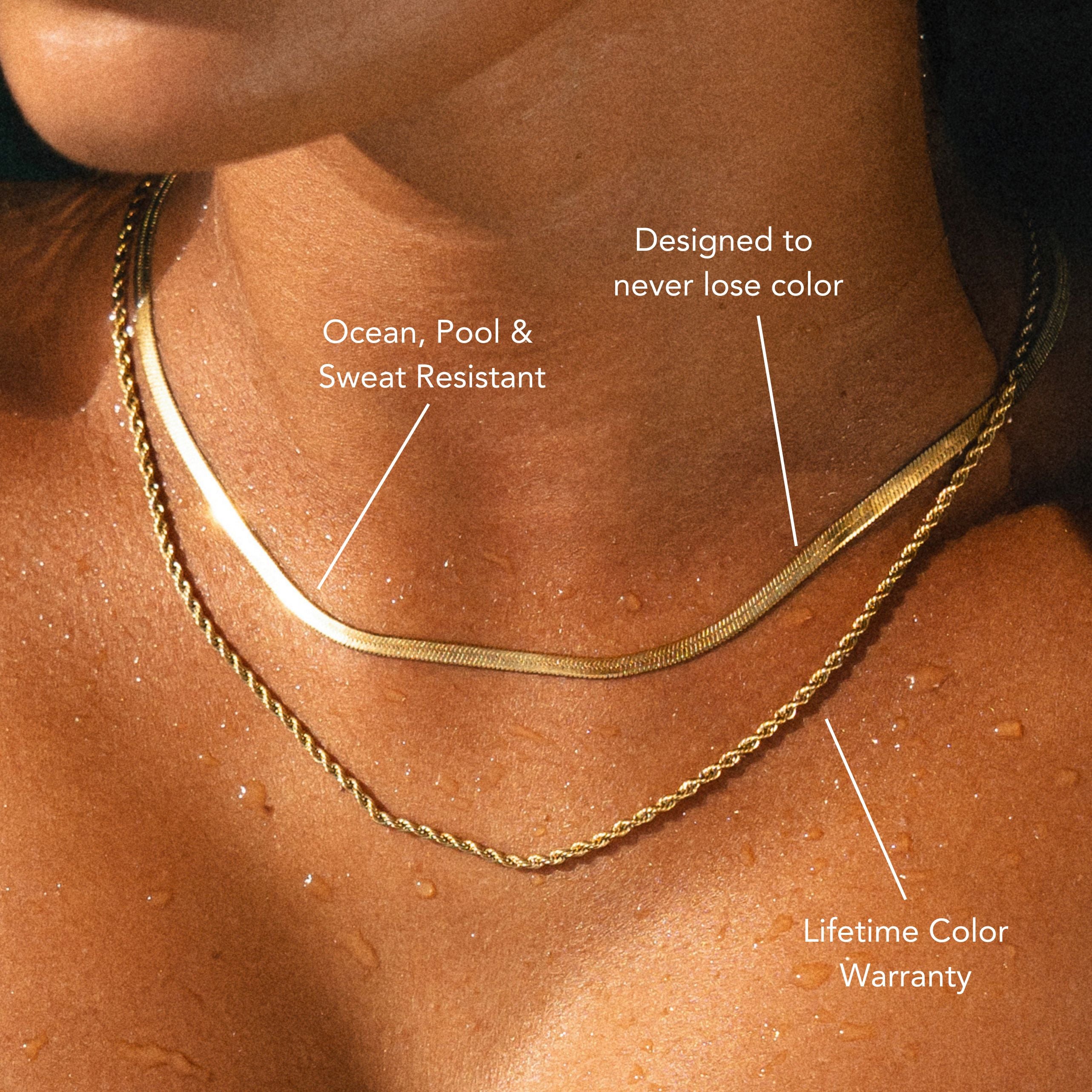
Tarnish rate differences. If one necklace is sterling silver and the other is gold-plated or gold-filled, the two pieces will likely show wear and tarnishing at different rates through identical daily conditions. Sterling silver tarnishes through sulfur exposure even with careful storage, while gold-plated brass degrades through a different mechanism tied to friction and moisture at the plating layer. Worn together daily, the silver piece may need cleaning on a different schedule than the gold piece, which is a maintenance consideration worth knowing before committing to a regular mixed-metal stack.
Material consistency for less maintenance. Choosing both the gold and silver necklaces in the same base construction, both in PVD-coated stainless steel for example, rather than one in sterling silver and one in gold-plated brass, removes the differential tarnishing problem entirely. Both pieces hold their respective tone through the same daily conditions at the same rate, which keeps the visual relationship between them consistent over time rather than drifting as one piece degrades faster than the other.
Frequently Asked Questions
Is it OK to wear gold and silver necklaces together?
Yes. Mixed-metal necklace layering is widely worn and reads as intentional when one tone clearly leads, chains are matched in texture and weight, and the secondary tone is positioned with purpose rather than randomly distributed through the stack. The old rule against mixing metals has not reflected actual styling practice for years.
How do you layer gold and silver necklaces without it looking messy?
Match chain texture and gauge between the gold and silver pieces, position the dominant tone closest to the face on the shortest chain, and group the secondary tone rather than alternating it through the stack. A two golds and one silver, or two silvers and one gold, grouping creates clearer hierarchy than an even alternating pattern across three chains.
Should the pendant match the chain metal?
Matching the pendant metal to its own chain creates the cleanest visual result, especially when multiple pendants and chains are combined in one stack. A single contrasting pendant, gold on a silver chain or silver on a gold chain, works well as a deliberate accent specifically because it stands as one clear departure from an otherwise consistent chain.
Do gold and silver necklaces tarnish at different rates when worn together?
Often, yes, if the two pieces use different base materials. Sterling silver tarnishes through sulfur exposure regardless of careful handling. Gold-plated brass degrades through plating wear at friction points. Two pieces in the same construction, such as PVD-coated stainless steel, tarnish at the same rate, which keeps a mixed-metal stack visually consistent over months of daily wear rather than one piece degrading faster than the other.
What is the best ratio of gold to silver in a necklace stack?
A two-to-one ratio, two chains in the dominant metal and one in the secondary metal, produces the clearest visual hierarchy in a three-chain stack. For a two-chain stack, using a contrasting pendant on one of the chains achieves a similar effect by establishing which metal leads without needing a third chain to create the ratio.
Wearing Gold and Silver Necklaces With Confidence
Can you wear gold and silver necklaces together has a clear yes, with the result depending on matching chain texture and weight, positioning the dominant tone closest to the face, grouping rather than alternating the secondary tone, and choosing pendants that either match their chain or serve as a single deliberate accent. The practical consideration most people overlook is material consistency: pairing pieces that tarnish or wear at the same rate keeps the combination looking as intentional in month six as it did on day one.







Leave a comment
This site is protected by hCaptcha and the hCaptcha Privacy Policy and Terms of Service apply.